A Factual Portrait of Granite, Water, Forest, and Time
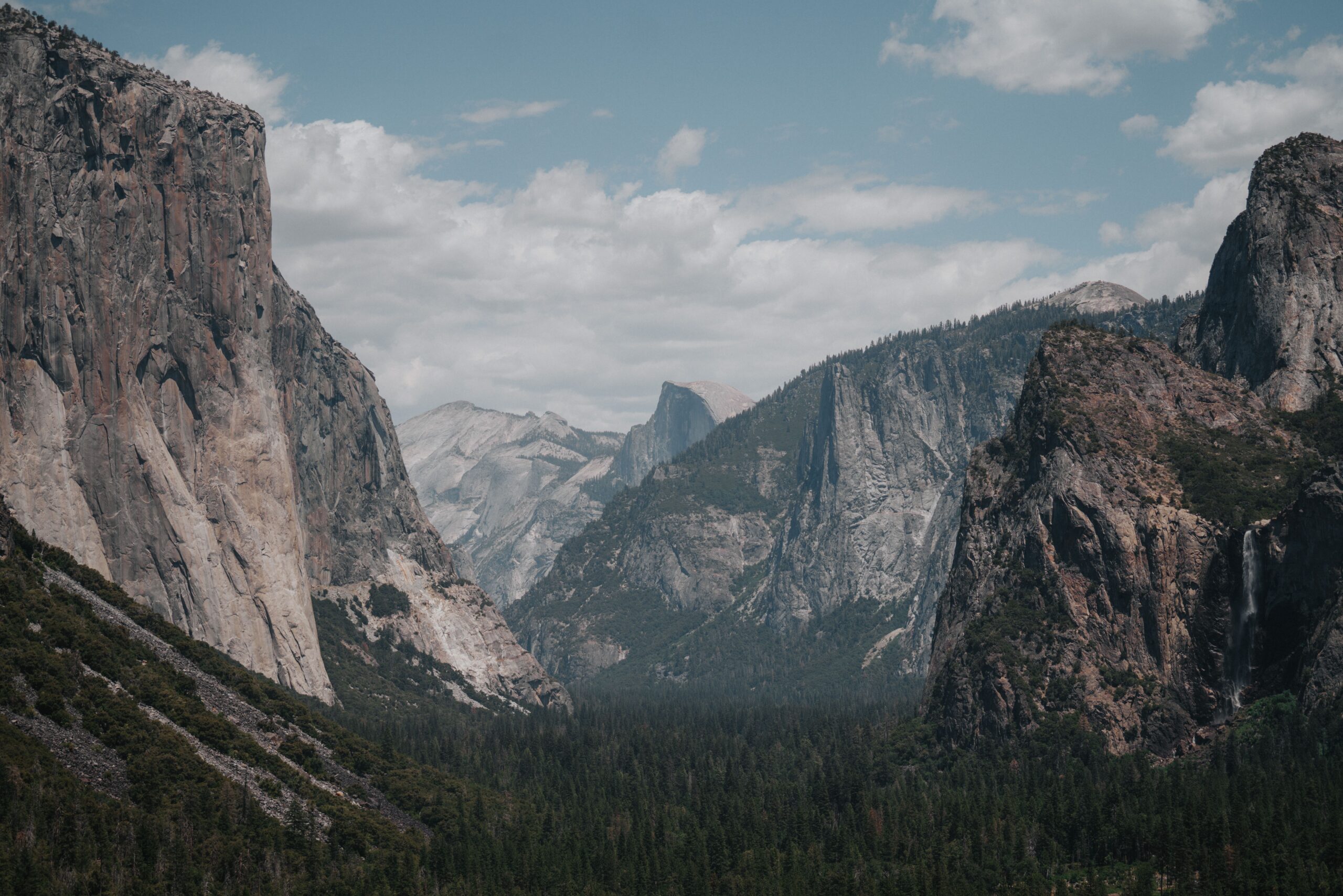
Yosemite National Park is one of the most recognized protected landscapes in the United States. Located in California’s Sierra Nevada, the park covers nearly 1,200 square miles of mountains, valleys, forests, waterfalls, meadows, rivers, and wilderness. It is especially famous for Yosemite Valley, El Capitan, Half Dome, Yosemite Falls, Bridalveil Fall, and its giant sequoia groves.
Although Yosemite Valley is the park’s best-known destination, it represents only a small portion of Yosemite National Park. Beyond the valley are high-elevation plateaus, alpine lakes, subalpine forests, deep canyons, meadows, and extensive wilderness. The park’s scenery has been shaped by geological forces over millions of years, particularly the formation and erosion of granite and the movement of glaciers through the Sierra Nevada.
Yosemite was first protected by federal legislation in 1864 and became a national park in 1890. In 1984, UNESCO designated Yosemite National Park a World Heritage Site because of its exceptional natural beauty and geological importance.
A Landscape Shaped by Granite and Glaciers
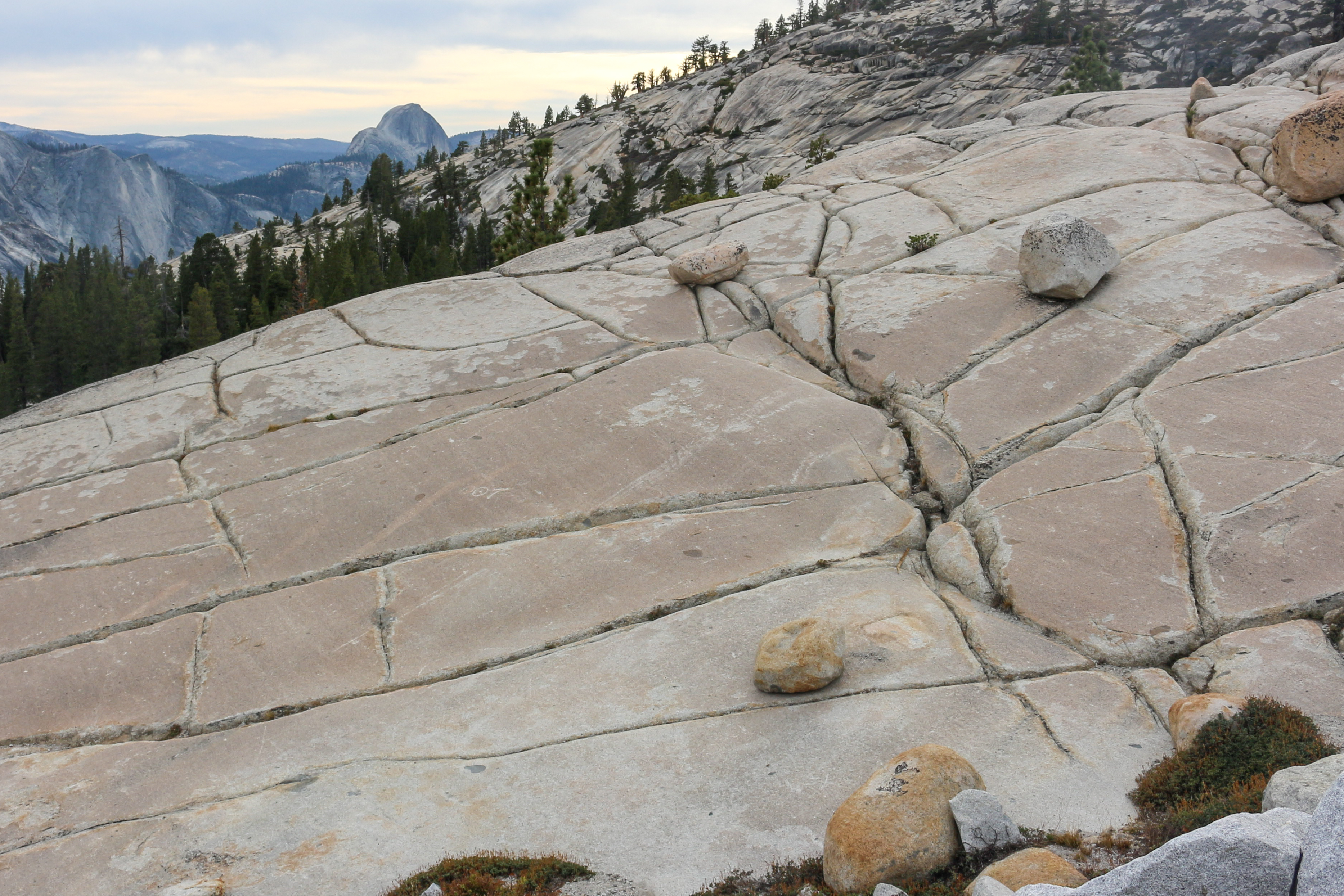
 The geology of Yosemite is central to its identity. Much of the park’s most famous scenery consists of granite, a coarse-grained rock that formed when molten material cooled slowly beneath the Earth’s surface. Over immense periods of time, uplift and erosion exposed these underground rock formations.
Once exposed, the granite was shaped by weathering, rivers, ice, and gravity. Fractures in the rock allowed water and ice to break away sections of granite. Glaciers later moved through the Sierra Nevada, widening and deepening existing river valleys. Their movement polished exposed rock surfaces and carved the characteristic U-shaped form of Yosemite Valley.
Yosemite Valley is approximately seven miles long and less than one mile wide in many places. Its steep walls rise dramatically above the valley floor, creating the setting for some of the park’s most recognizable landmarks. El Capitan stands along the northern side of the valley, while Half Dome rises near its eastern end.
The work of erosion continues today. Rockfalls are among Yosemite’s most active geological processes. Rain, earthquakes, freeze-and-thaw cycles, and changes in temperature can all contribute to the movement of rock. The National Park Service has recorded more than 1,000 rockfalls in Yosemite during the past 150 years.
El Capitan and Half Dome
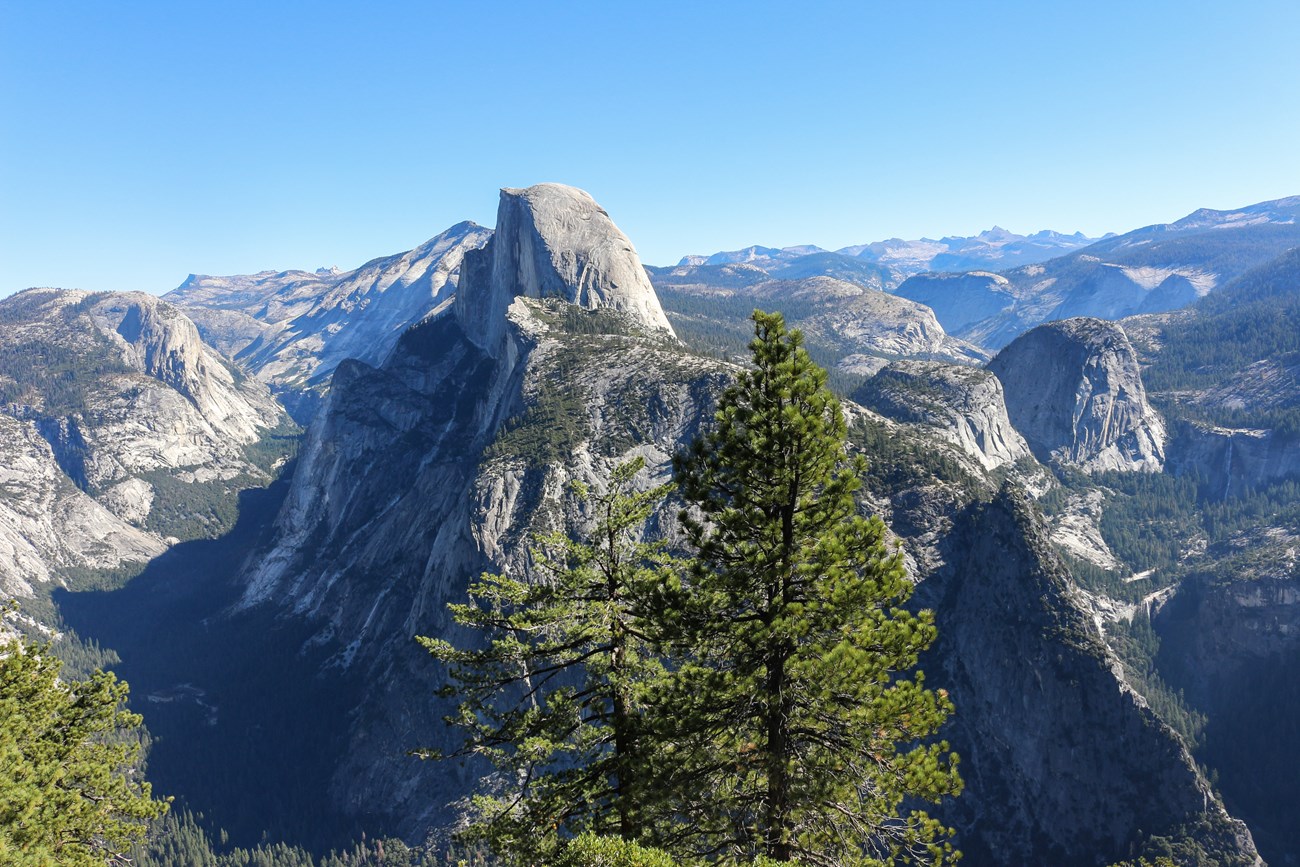
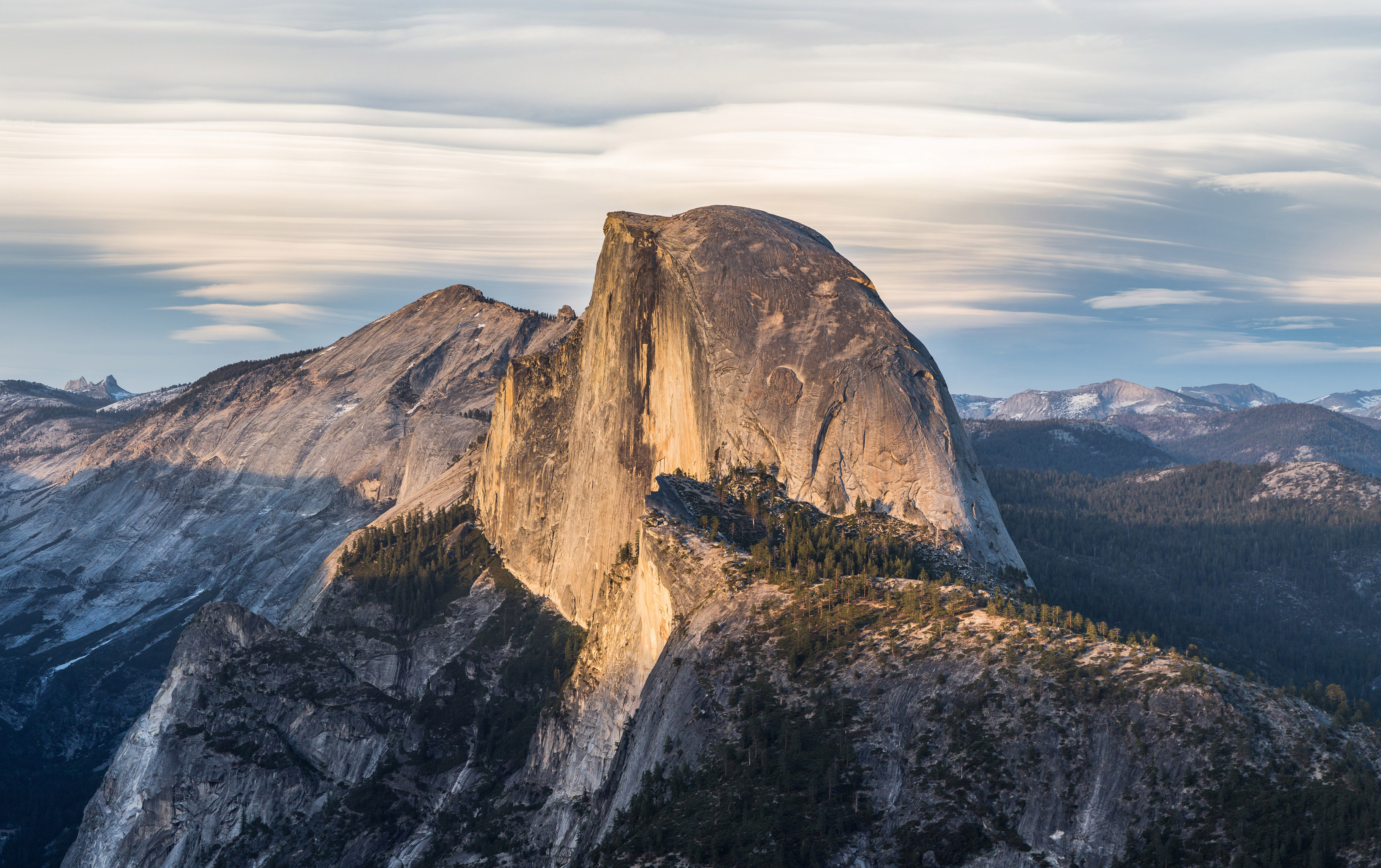 Half Dome is one of Yosemite’s most recognizable geological formations. The granite landmark rises approximately 4,800 feet above the floor of Yosemite Valley. Its rounded western face contrasts with the steep, exposed cliff on its eastern side, giving the formation its distinctive profile.
The shape of Half Dome was produced by erosion and the natural fracture patterns of the granite. The formation was not literally divided into two equal halves. Instead, weathering removed portions of the rock over time, leaving the steep face and rounded dome visible today.
Half Dome is also associated with one of Yosemite’s most demanding popular trails. The final section of the route involves cables installed along the steep granite face. Because of the physical difficulty and exposure involved, hikers need to prepare carefully and follow current National Park Service regulations. A permit is generally required for access to the cable route.
 El Capitan is a massive granite monolith that rises more than 3,000 feet above Yosemite Valley. Its nearly vertical face has made it an important destination for rock climbers from around the world. The formation is composed primarily of granite and reflects the jointing, erosion, and glacial processes that shaped the valley.
The name “El Capitan” was adopted during the nineteenth century. Before that period, the formation had Indigenous names and cultural significance connected to the people who lived in the Yosemite region. Modern descriptions of the landmark form only one part of its longer human history.
Yosemite’s Waterfalls
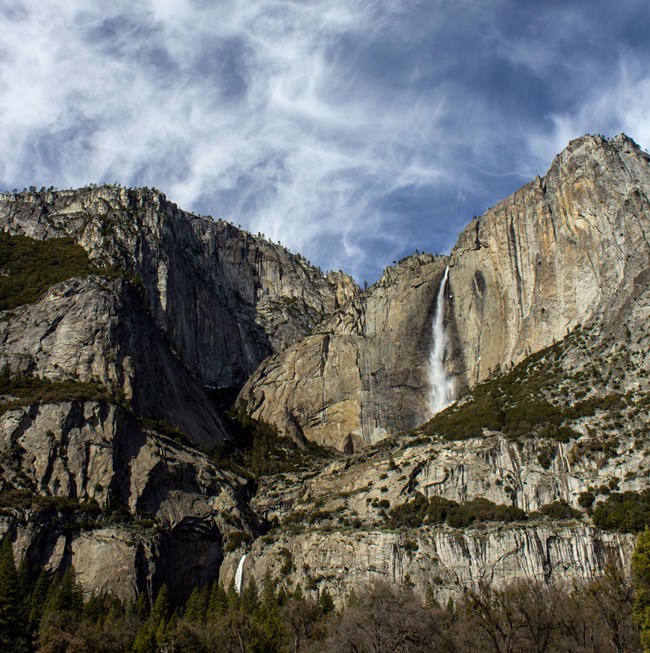 Yosemite is known for its numerous waterfalls. Their presence is closely connected to the park’s glacial history. As glaciers deepened Yosemite Valley, tributary valleys were left high above the main valley floor. Streams flowing from these elevated valleys formed dramatic waterfalls where they entered the deeper valley.
Yosemite Falls is the tallest waterfall in North America when its three main sections are considered together. The waterfall consists of Upper Yosemite Fall, the middle cascades, and Lower Yosemite Fall. The total drop is approximately 2,425 feet.
The volume of Yosemite Falls changes throughout the year. Water flow is generally strongest in spring, when melting snow feeds Yosemite Creek. During late summer and autumn, the flow can become much smaller. In some dry years, parts of the waterfall may stop flowing temporarily.
The seasonal nature of Yosemite Falls demonstrates the importance of snowpack in the Sierra Nevada. Snow accumulated during winter acts as a natural water reserve. When temperatures rise in spring, melting snow supplies streams, waterfalls, wetlands, and other ecosystems throughout the park.
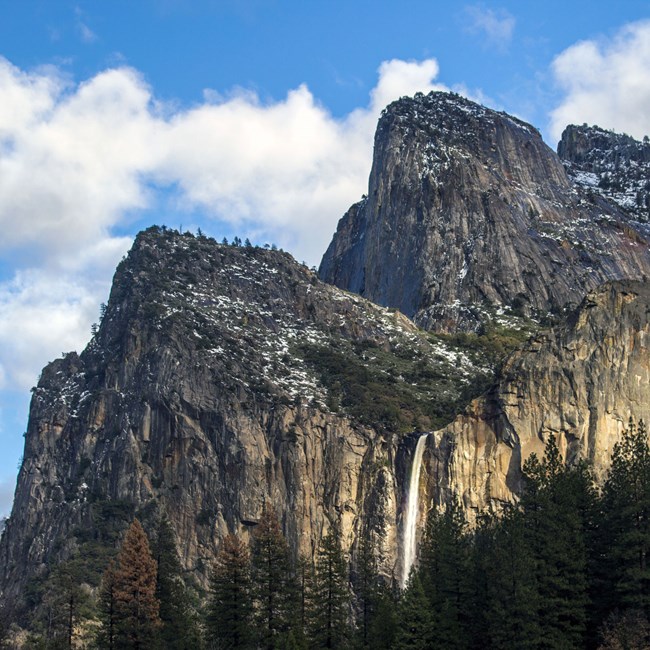 Bridalveil Fall descends from a hanging valley near the western entrance to Yosemite Valley. The waterfall drops approximately 620 feet. Wind often moves the falling water outward, creating the veil-like appearance associated with its name.
Bridalveil Fall can be viewed from several locations in the western portion of Yosemite Valley. Its flow varies according to precipitation and snowmelt. Like other waterfalls in the park, it is usually most powerful during the spring runoff period.
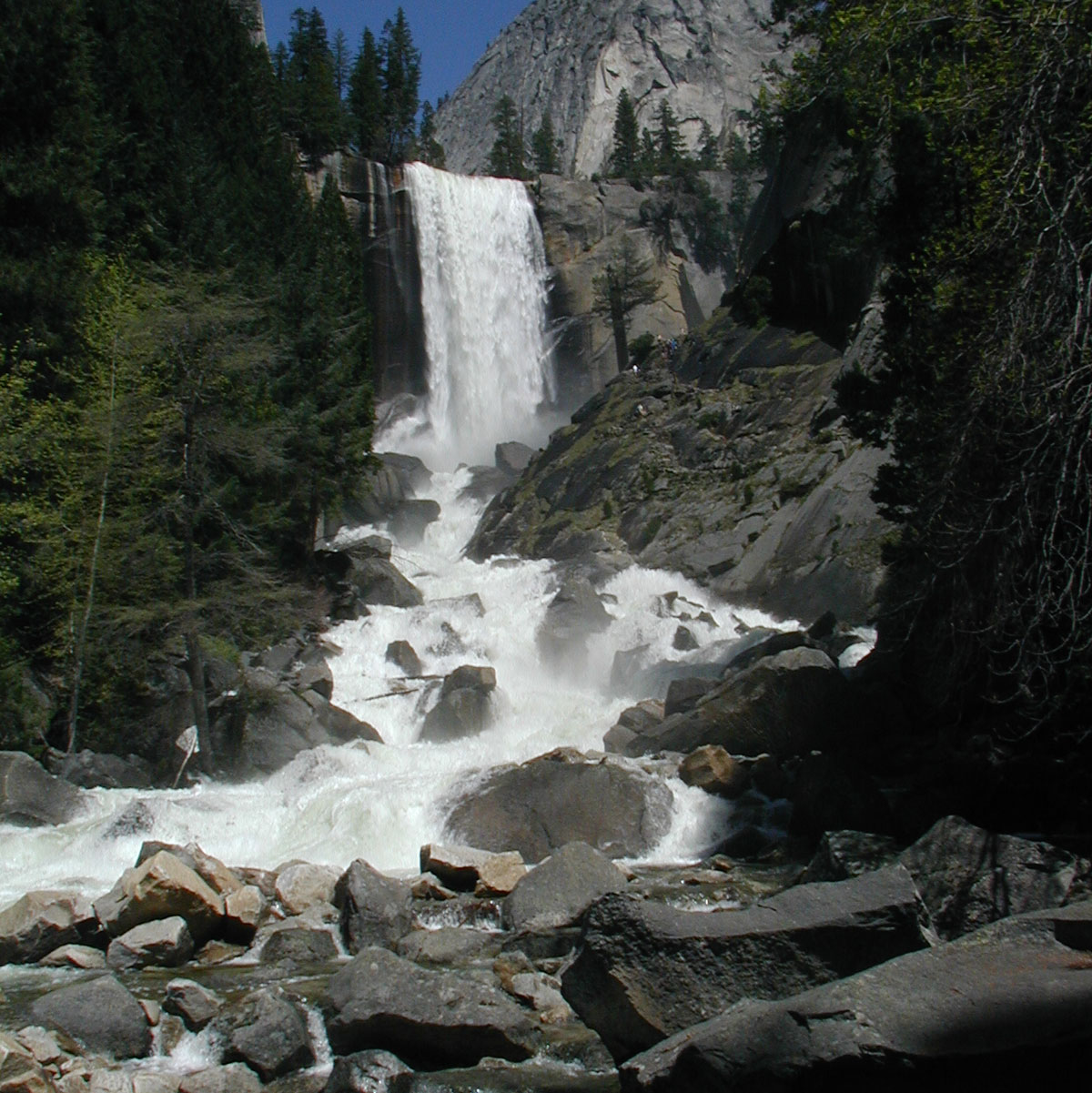 Vernal Fall is located along the Merced River and drops approximately 317 feet. It is reached by trails that pass through steep terrain, including the Mist Trail. When water levels are high, spray from the waterfall can make portions of the route wet and slippery.
The Merced River continues through Yosemite Valley and plays an important role in the park’s aquatic and riparian ecosystems. Rivers and streams provide water for plants and animals, transport sediment, and connect different habitats across the landscape.
Forests and Giant Sequoias
Yosemite contains a wide range of forest types because of its substantial variation in elevation. Lower elevations include woodland and chaparral communities. Mid-elevation forests contain species such as ponderosa pine, sugar pine, incense-cedar, and Douglas-fir. Higher elevations support subalpine forests and alpine environments where growing seasons are shorter and temperatures are lower.
 The park protects three groves of giant sequoias: Mariposa Grove, Tuolumne Grove, and Merced Grove. Giant sequoias are among the largest trees on Earth by volume. Some individual trees have lived for thousands of years.
Mariposa Grove is the largest of Yosemite’s three giant sequoia groves. It contains hundreds of mature sequoias, including the Grizzly Giant and the California Tunnel Tree. The trees’ thick, fire-resistant bark helps protect them from many low- and moderate-intensity fires.
Fire is a natural and important ecological process in giant sequoia forests. Historically, fires occurred at regular intervals, often burning accumulated vegetation on the forest floor. Fire can create open conditions that allow sequoia seedlings to grow. Modern fire management in Yosemite may include prescribed burning and carefully managed responses to naturally occurring fires.
The history of fire suppression has affected many forests in the Sierra Nevada. When fires are prevented for long periods, vegetation and dead wood can accumulate. This can increase the risk of intense fires that may damage mature trees, soil, wildlife habitat, and nearby communities.
Wildlife in Yosemite
Yosemite provides habitat for a wide range of mammals, birds, reptiles, amphibians, fish, and invertebrates. Species found in the park include black bears, mule deer, coyotes, bobcats, mountain lions, marmots, bats, squirrels, and many types of birds.
 Despite being called black bears, Yosemite’s bears may have black, brown, cinnamon, or blond fur. They are omnivores and feed on a variety of plants, insects, carrion, and other foods. Bears are powerful wild animals and should never be approached or fed.
Food storage is a major part of wildlife protection in Yosemite. Bears that obtain human food may lose their natural fear of people and begin approaching campgrounds, vehicles, and buildings. This can create dangerous situations for both humans and animals. Visitors are required to store food and scented items in approved containers or other secure locations, according to park regulations.
Keeping wildlife wild also means maintaining distance. Animals should not be followed, surrounded, touched, or encouraged to approach for photographs. A respectful distance protects the animal’s behavior and reduces the risk of conflict.
Meadows, Rivers, and Alpine Habitats
Yosemite’s meadows are important ecological areas. They provide habitat for insects, birds, deer, small mammals, and a variety of plants. Meadow soils also store water and help regulate the flow of streams.
Because meadows are vulnerable to trampling, visitors are encouraged to remain on designated trails and boardwalks. Plants in high-elevation and wetland environments may take many years to recover from repeated damage. A single person walking off-trail may appear to have little effect, but the combined impact of thousands of visitors can change vegetation patterns and compact soil.
Above the forests are subalpine and alpine landscapes. These areas experience lower temperatures, stronger winds, shorter growing seasons, and longer periods of snow cover. Plants in alpine environments are adapted to difficult conditions and may grow close to the ground to survive.
The high country also contains lakes, granite passes, open meadows, and extensive backcountry routes. Conditions can change quickly at high elevations. Snow may remain on trails well into summer, and thunderstorms, cold temperatures, and limited visibility can occur even during warmer months.
Indigenous History and Cultural Connections
Yosemite has a long Indigenous history. Native peoples lived in and traveled through the region for thousands of years before the establishment of the national park. The Southern Sierra Miwuk and other Native communities maintain cultural connections to Yosemite and the surrounding Sierra Nevada.
Indigenous communities used the landscape for food gathering, hunting, trade, travel, ceremony, and seasonal activities. Their knowledge of plants, animals, fire, and local geography developed over generations.
The nineteenth century brought violence, displacement, and major disruption. The arrival of settlers, miners, soldiers, and other newcomers led to conflict with Native communities. Some Indigenous people were killed, forced from their lands, or compelled to adapt to policies designed to undermine their traditional ways of life.
The history of Yosemite therefore includes both conservation and injustice. The protection of scenery helped establish ideas that later influenced the national park system, but the creation and management of protected areas also affected Indigenous communities. A complete understanding of Yosemite must recognize the continuing presence, history, and perspectives of Native peoples.
The Creation of Yosemite National Park
 In 1864, President Abraham Lincoln signed legislation that granted Yosemite Valley and the Mariposa Grove to the State of California for protection and public use. The legislation is considered an important milestone in the history of public conservation in the United States.
In 1890, Congress established Yosemite National Park. The national park included a much larger area than the earlier state-administered grant. In 1906, Yosemite Valley and the Mariposa Grove were transferred to federal management and incorporated into the national park.
Naturalist John Muir played an influential role in promoting the protection of Yosemite and other wild landscapes. His writings helped draw public attention to the Sierra Nevada and contributed to support for expanded federal conservation.
President Theodore Roosevelt visited Yosemite in 1903 with Muir. Their visit became an important moment in the political history of American conservation. However, the story of Yosemite’s protection also includes the removal and marginalization of Indigenous people, as well as disagreements about how the park should be managed.
Yosemite as a World Heritage Site
UNESCO designated Yosemite National Park a World Heritage Site in 1984. The designation recognizes the park’s exceptional natural scenery, geological features, ecosystems, and biological diversity.
Yosemite is significant because several major natural processes can be observed in one protected landscape. Glacial erosion, granite formation, river activity, rockfall, forest succession, fire, and seasonal snowmelt all contribute to the park’s character.
The park’s international importance also reflects the fact that its landscapes are not easily replaced. Granite cliffs and waterfalls can be photographed around the world, but the particular combination of geology, elevation, water, forests, and history found in Yosemite is unique.
Visiting Yosemite Responsibly
Yosemite’s popularity creates challenges. Large numbers of visitors can contribute to traffic, noise, trail erosion, wildlife conflicts, litter, and pressure on water and sanitation systems. Responsible behavior helps reduce these impacts.
Visitors should follow current park rules, remain on designated trails, protect food and scented items from wildlife, and pack out waste. They should avoid entering closed areas and pay attention to warnings about rockfall, wildfire, flooding, snow, ice, and high water.
Waterfalls and rivers can be dangerous. Even calm-looking water may be fast and cold, and wet granite can be extremely slippery. Visitors should stay behind barriers and obey posted warnings. Swimming or wading in prohibited areas can place people at serious risk.
Weather and access conditions vary significantly across the park. Yosemite Valley, the high country, and the giant sequoia groves may have very different conditions on the same day. Roads, trails, facilities, and seasonal services can change because of snow, fire, construction, storms, or other hazards. Official National Park Service information should be consulted before traveling.
A Landscape That Continues to Change
Yosemite can appear permanent because its granite cliffs and enormous trees seem to extend beyond human time. In reality, the park is constantly changing.
Glaciers are no longer carving Yosemite Valley in the way they did during the last ice age, but water continues to erode rock. Freeze-and-thaw processes expand cracks. Rockfalls reshape cliffs and slopes. Rivers transport sediment. Wildfires alter forests and create new growth. Drought affects waterfalls, trees, meadows, and wildlife.
Climate change is also affecting the Sierra Nevada. Changes in temperature, snowpack, precipitation, wildfire patterns, and drought can influence Yosemite’s ecosystems and visitor conditions. The long-term effects are complex and vary by elevation and habitat, but the park’s natural systems are closely connected to climate.
These changes are part of the reason Yosemite is protected as a living landscape rather than preserved as a fixed monument. Conservation involves observing natural processes, managing human impacts, protecting wildlife, and adapting to new environmental conditions.
The Enduring Significance of Yosemite
Yosemite National Park is famous for its beauty, but its importance extends beyond scenic views. The park provides a record of geological change, protects diverse habitats, preserves giant sequoias, supports wildlife, and offers opportunities for scientific study and public education.
Its cliffs reveal the effects of granite formation and glacial erosion. Its waterfalls demonstrate the relationship between snow, rivers, and topography. Its forests show the importance of fire and elevation. Its human history reflects both the development of American conservation and the lasting cultural connections of Indigenous communities.
Yosemite’s most recognizable landmarks—Half Dome, El Capitan, Yosemite Falls, and Bridalveil Fall—are only the visible parts of a much larger system. The park is also made up of less dramatic but equally important elements: soil, snow, roots, insects, streams, fire, wildlife, and the people who work to protect the landscape.
For that reason, Yosemite is not simply a collection of famous photographs. It is a dynamic national park shaped by geology, water, climate, ecological processes, and human history. Its continued protection depends on understanding those connections and treating the landscape with care.