A Human Story of Global Climate Change
There are moments when climate change feels distant—something discussed in scientific reports, government meetings, or headlines about melting ice thousands of kilometres away. Yet climate change is not a distant possibility. It is already reshaping the world around us: the air we breathe, the seasons we depend on, the coastlines where millions of people live, and the landscapes that have seemed permanent for generations.
Global climate change is one of the defining stories of our time. It is a story about physics and chemistry, but it is also a story about communities, food, forests, oceans, economies, and choices. At its heart, it is the story of how human activity has altered the atmosphere—and how the natural world is responding.
The changes are enormous, but they are not impossible to understand. They begin with something deceptively simple: the Earth’s energy balance.
A planet surrounded by a protective blanket
Earth receives energy from the Sun. Some of that energy warms the land and oceans, while the rest eventually escapes back into space. The atmosphere helps regulate this process through naturally occurring gases such as carbon dioxide, methane, and water vapour.
These gases are often called greenhouse gases because they act somewhat like a blanket around the planet. They allow sunlight to enter but absorb some of the heat attempting to leave. This natural greenhouse effect is essential. Without it, Earth would be far too cold for most life as we know it.
The problem is not the existence of greenhouse gases. The problem is that human activities have increased their concentrations dramatically.
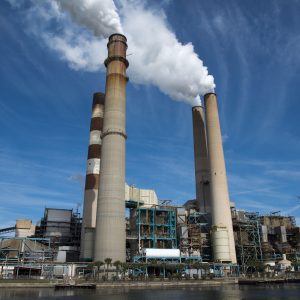
Since the Industrial Revolution, societies have burned large quantities of coal, oil, and natural gas to generate electricity, power vehicles, heat buildings, and manufacture products. At the same time, forests have been cleared for agriculture, cities, roads, and industry. These activities release additional carbon dioxide and other greenhouse gases into the atmosphere.
The result is a stronger greenhouse effect. More heat remains in the Earth system, raising global temperatures and disturbing the climate patterns on which human civilization developed.
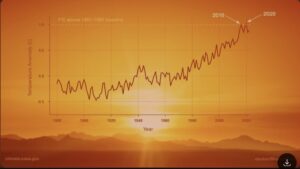
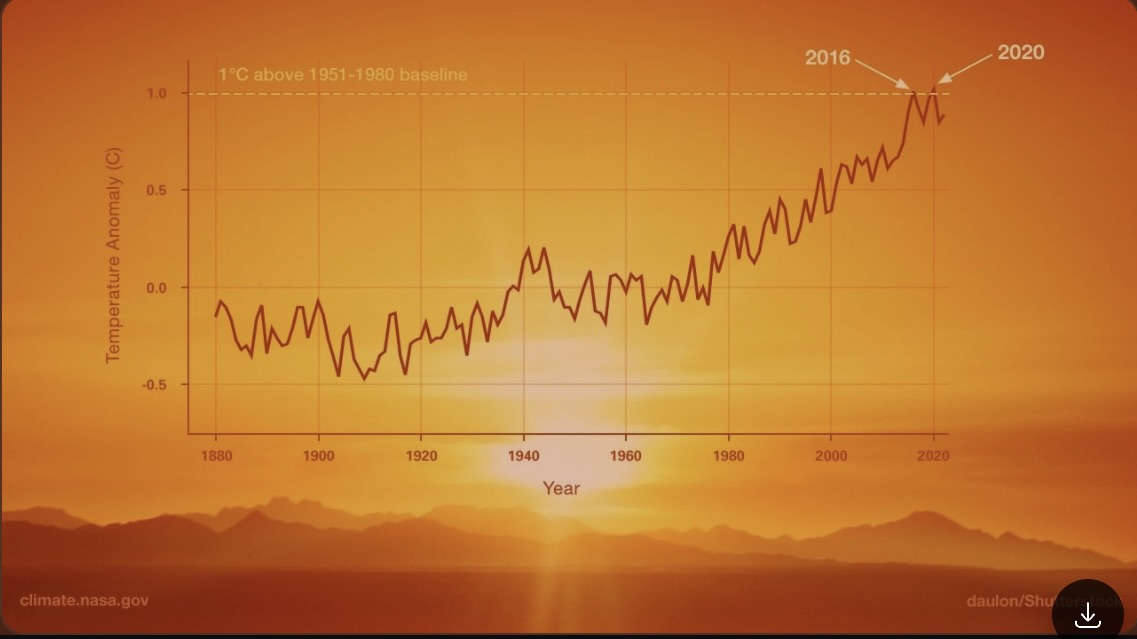
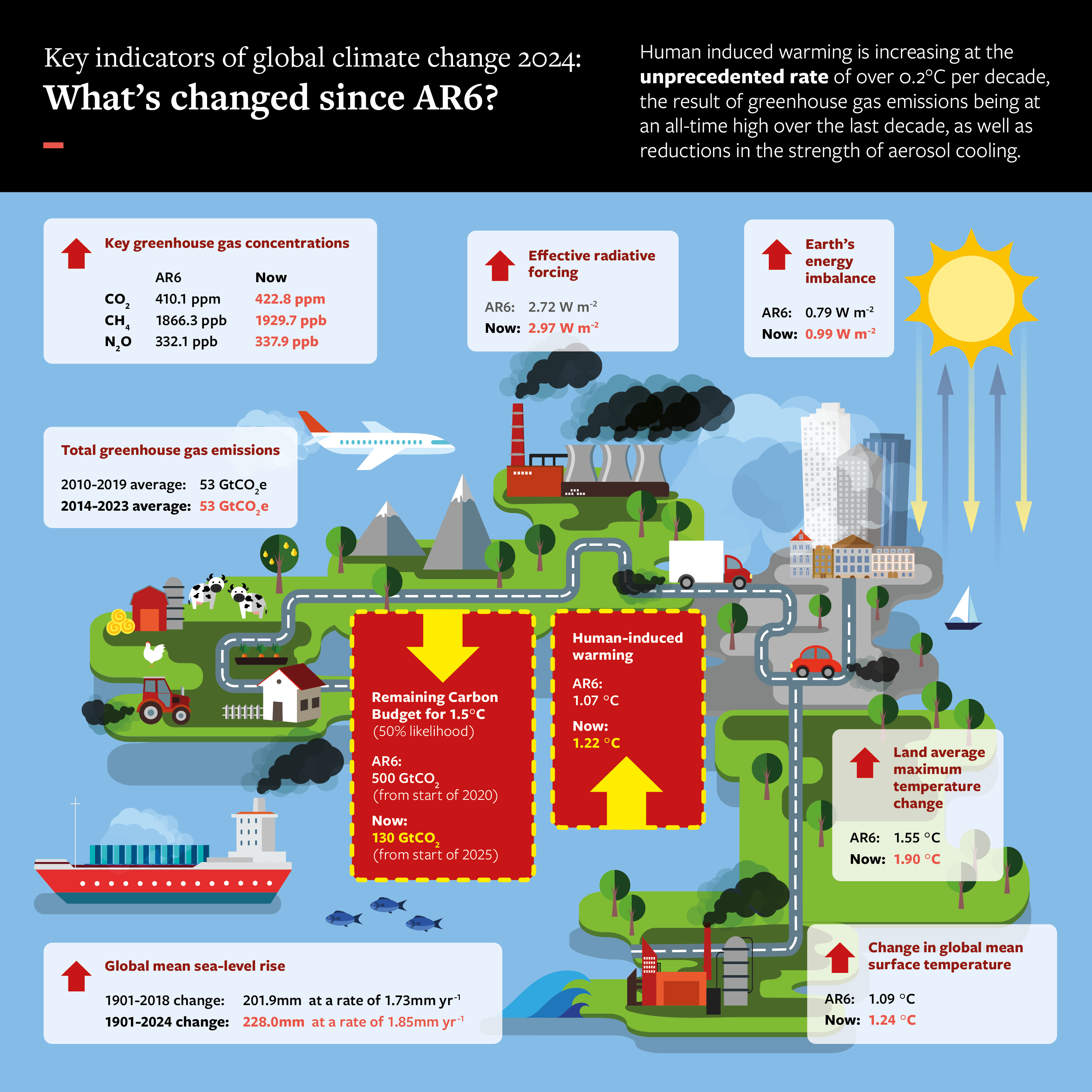
According to NASA, there is unequivocal evidence that Earth is warming and that human activity is the principal cause. The Intergovernmental Panel on Climate Change has estimated that human-caused warming reached approximately 1.1 degrees Celsius above the 1850–1900 average in recent decades. That number may sound small, but a change in the average temperature of the entire planet is profoundly significant.
Why one degree matters
A person’s body temperature can change by one degree without necessarily causing a serious problem. The climate system is different. It is vast, interconnected, and finely balanced.
A global average does not mean that every place warms by exactly the same amount. Some regions warm faster than others. Land generally warms more quickly than oceans, and the Arctic is warming much faster than the global average. A small increase in the global average can therefore produce much larger changes in particular regions.
Warming affects the timing of seasons, the movement of storms, the amount of moisture in the atmosphere, and the conditions that make extreme events more likely. It can increase the intensity of heat waves, contribute to heavier rainfall in some places, worsen drought in others, and create conditions that allow wildfires to spread more rapidly.
The atmosphere is not a separate system floating above human life. It is connected to every river, crop, forest, city, and ocean. When its composition changes, the consequences travel through the entire planet.
A climate written in melting ice
Few signs of climate change are more visually powerful than the retreat of glaciers.
For centuries, glaciers have served as frozen reservoirs, storing water as snow and releasing it gradually through warmer months. They help sustain rivers, ecosystems, agriculture, and communities. But as temperatures rise, many glaciers are shrinking.
The loss of glaciers affects more than beautiful mountain scenery. In the short term, accelerated melting can increase flood risks. In the longer term, smaller glaciers may provide less water during dry seasons. Mountain communities that depend on predictable meltwater can face growing uncertainty.
Ice loss also affects the oceans. When glaciers and ice sheets melt, they contribute to sea-level rise. Sea levels are also rising because seawater expands as it warms. Together, these processes threaten low-lying communities, wetlands, ports, islands, and coastal infrastructure.
The changes are not limited to mountain glaciers. Arctic sea ice is declining, and the Greenland and Antarctic ice sheets are losing mass. Because ice reflects a large proportion of sunlight back into space, its disappearance creates another feedback loop: darker ocean water absorbs more solar energy, which contributes to further warming.
This is one of the unsettling characteristics of climate change. Some changes can reinforce themselves.
The ocean: absorbing the heat
The oceans have absorbed most of the excess heat produced by human-caused global warming. They have also absorbed a substantial portion of the carbon dioxide released by human activities.
This has slowed the rate at which the atmosphere has warmed, but it has come at a cost. Warmer oceans contribute to marine heat waves, coral bleaching, changes in fish distribution, and stress on marine ecosystems. Carbon dioxide absorbed by seawater changes ocean chemistry, making the water more acidic. This process, known as ocean acidification, can make it more difficult for some organisms—including corals and shell-forming animals—to build and maintain their structures.
The ocean is also a powerful engine of weather. Warmer waters can provide additional energy and moisture to storms. They can influence rainfall patterns far from the coast and alter the behaviour of hurricanes and other tropical cyclones.
For coastal communities, the combined effects of rising seas, stronger storm surges, erosion, and changing fisheries create a difficult future. A community may not experience climate change as one dramatic event. Instead, it may encounter a series of disruptions: flooded roads, damaged homes, saltwater entering freshwater supplies, lost fishing income, and increasingly expensive repairs.
The changing rhythm of seasons
For much of human history, people have organized their lives around relatively dependable seasonal patterns. Farmers plant and harvest according to the climate. Birds migrate at particular times. Trees flower in spring. Insects emerge when temperatures reach certain thresholds.
As the planet warms, these natural schedules are shifting.
Spring may arrive earlier in some regions. Snow can melt sooner. Heat waves can occur before crops have matured. Plants and pollinators may no longer appear at exactly the same time, creating difficulties for ecosystems and agriculture.
Warmer temperatures can also expand the range of certain pests and disease-carrying insects. Conditions that were once too cold for some mosquitoes, ticks, or agricultural pests may become more suitable. This does not mean that every disease will spread everywhere, but it does mean that public health systems must prepare for changing risks.
Climate change also interacts with existing vulnerabilities. A wealthy community with strong infrastructure may be able to build cooling centres, reinforce flood barriers, or repair damaged roads. A poorer community may have far fewer options. The effects of climate change are therefore shaped not only by geography, but also by income, health, housing, access to services, and political decision-making.
Heat waves and the human body
Among the clearest dangers of a warming world is extreme heat.
The human body must maintain a stable internal temperature. During very hot weather, it relies on sweating and other cooling mechanisms. High humidity makes this more difficult because sweat evaporates less efficiently. Prolonged exposure can lead to heat exhaustion, heatstroke, dehydration, cardiovascular strain, and death.
Older adults, infants, outdoor workers, people with chronic illnesses, and those without reliable access to cooling are especially vulnerable. Urban residents can also face greater risks because concrete and asphalt absorb and retain heat, creating what scientists call the urban heat-island effect.
Heat can also affect mental health, sleep, productivity, and education. Workers may be unable to safely perform physical labour during the hottest parts of the day. Children may struggle to learn in overheated classrooms. Families may face higher electricity bills as they try to keep homes cool.
A heat wave is not simply a few uncomfortable afternoons. In severe cases, it can become a public health emergency.
Wildfires in a warmer world
Fire is a natural part of many ecosystems, but climate change can alter when, where, and how intensely wildfires burn.
Hotter temperatures dry out vegetation and soil. In regions experiencing drought, forests and grasslands may become more flammable. Earlier snowmelt can lengthen the fire season, while strong winds can spread flames quickly across large areas.
Wildfires can destroy homes, forests, wildlife habitat, and essential infrastructure. Smoke can travel hundreds or even thousands of kilometres, affecting people far from the fire itself. Fine particles in wildfire smoke can enter the lungs and bloodstream, increasing risks for people with respiratory and cardiovascular conditions.
The relationship between climate change and wildfire is complex. Fire is influenced by land management, vegetation, human activity, wind, drought, and local weather. Climate change does not cause every individual fire, but it can make the hot, dry conditions that support larger and more dangerous fires more likely.
Climate change and food
Food systems depend on stable conditions. Crops require suitable temperatures, adequate water, healthy soil, and predictable growing seasons. Livestock depend on pasture, water, and protection from heat stress. Fisheries depend on functioning oceans and freshwater ecosystems.
Climate change threatens each part of this system.
Drought can reduce crop yields. Heavy rainfall can wash away soil or flood fields. Heat can damage crops during flowering and reproduction. Warmer conditions can encourage pests and diseases. Ocean warming can push fish populations toward cooler waters, affecting fishing communities and food supplies.
Agriculture is also part of the climate challenge. Farming, forestry, and land-use change produce greenhouse gas emissions, while healthy soils, forests, grasslands, and wetlands can absorb and store carbon. This means that land is both vulnerable to climate change and important to solving it.
Protecting food security will require better water management, more resilient crops, improved soil practices, reduced food waste, and support for farmers adapting to new conditions.
A problem with unequal responsibility
Climate change affects everyone, but responsibility for causing it has not been shared equally.
Industrialized economies have historically produced a large portion of cumulative greenhouse gas emissions. Meanwhile, many communities that contributed relatively little to global emissions are among those facing severe climate risks. Small island nations, low-income countries, Indigenous communities, and people living in vulnerable coastal or drought-prone areas may have fewer financial resources to adapt.
This raises questions of fairness. Who should pay for rebuilding after climate disasters? Which countries should reduce emissions most rapidly? How should communities relocate when homes become unsafe? How can economic development continue without repeating the pollution-heavy path followed by earlier industrial powers?
These are not only scientific or technological questions. They are ethical and political questions about responsibility, opportunity, and human rights.
The hopeful side of the story
Climate change is serious, but the future is not predetermined.
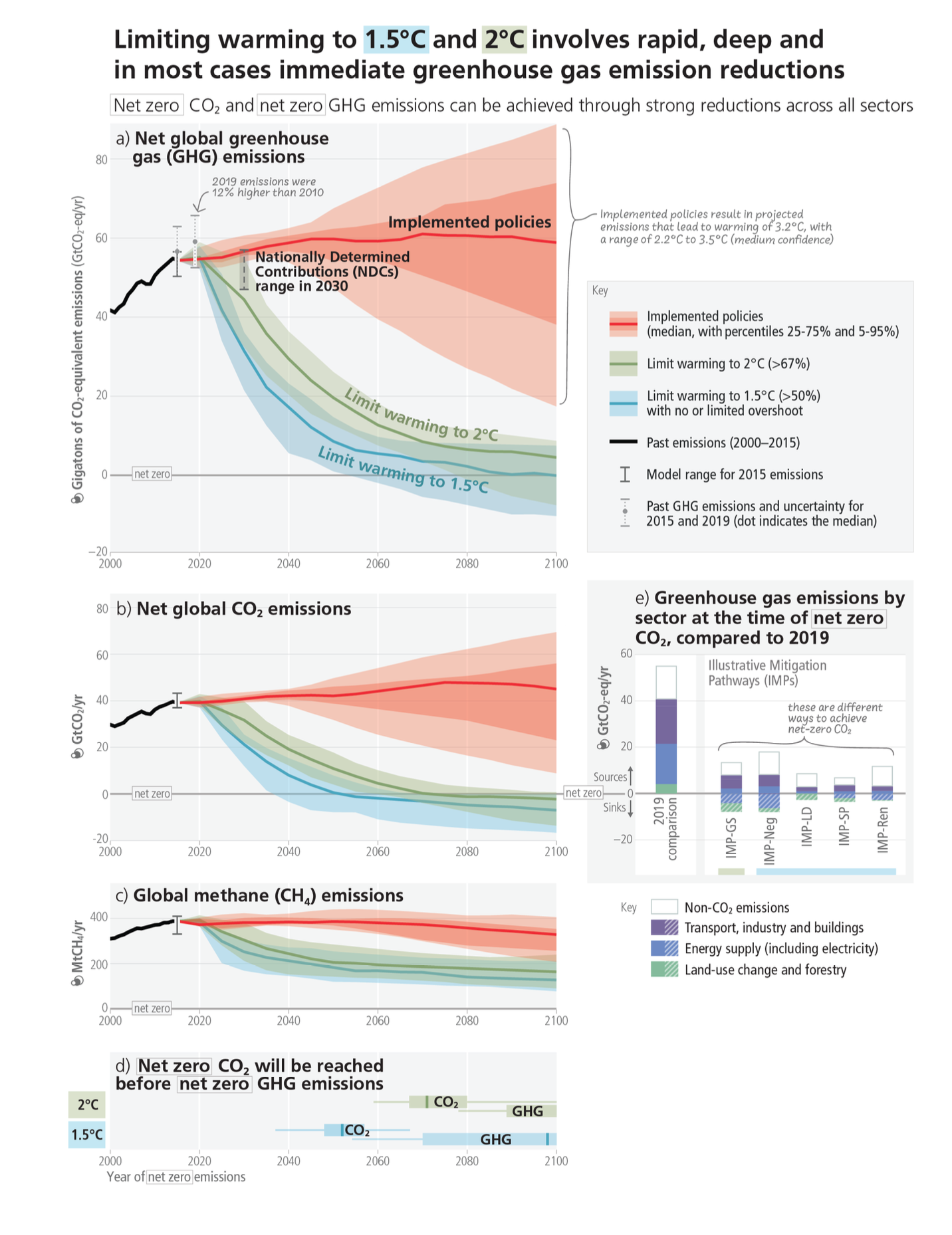
Every fraction of a degree of warming avoided reduces risks. The choices made today will influence the conditions experienced by people decades from now. Although some impacts are already unavoidable, the scale of future damage depends heavily on how quickly the world reduces greenhouse gas emissions and prepares communities for changes that are already underway.
Solutions are expanding in many areas.
Renewable energy, including solar and wind power, has grown rapidly. Electric vehicles are becoming more common. Buildings can be made more energy-efficient. Public transportation and walkable communities can reduce pollution while improving quality of life. Industries are developing ways to reduce emissions from steel, cement, aviation, and shipping.
Nature also offers important protection. Restored wetlands can absorb floodwater. Forests can store carbon and provide shade. Healthy soils can retain water. Coastal ecosystems such as mangroves and salt marshes can reduce storm impacts. Protecting biodiversity strengthens the resilience of ecosystems and the communities that depend on them.
However, nature-based solutions must be designed carefully. Planting trees cannot replace the need to stop burning fossil fuels, especially when forests are later destroyed by fire, drought, or land clearing. Climate action must combine emissions reductions with adaptation, conservation, scientific research, and social support.
What individuals can do—and what individuals cannot do alone
Personal choices matter, but climate change cannot be solved by individual behaviour alone.
People can reduce energy use, choose efficient appliances, use public transportation when possible, waste less food, eat more sustainably, support renewable energy, and consider the environmental consequences of what they buy. They can also participate in community projects, vote, contact representatives, support credible climate policies, and encourage businesses to reduce emissions.
But individuals cannot redesign electricity grids, regulate industrial pollution, build resilient infrastructure, or transform national transportation systems by themselves. Those changes require governments, companies, institutions, and citizens working together.
The most effective response combines personal responsibility with collective action. It means asking not only, “What can I change in my own life?” but also, “What kind of society are we building, and who is responsible for making it safer?”
The next chapter is being written now
Climate change is often described as a crisis of the future, but the future is already arriving.
It can be seen in shrinking glaciers, shifting seasons, record heat, coastal flooding, stressed forests, damaged coral reefs, and communities recovering from increasingly costly disasters. Yet it can also be seen in the growth of clean energy, the restoration of damaged landscapes, the work of scientists, the resilience of communities, and the increasing public understanding that a stable climate is not something to take for granted.
The Earth will continue to exist. The more urgent question is what conditions will remain for human beings and the other species with which we share it.
Climate change is not a single disaster waiting on the horizon. It is a series of decisions unfolding every day. The technologies, policies, habits, and values chosen now will shape the atmosphere for generations.
The story is still being written—and that means it is not too late to change its direction.