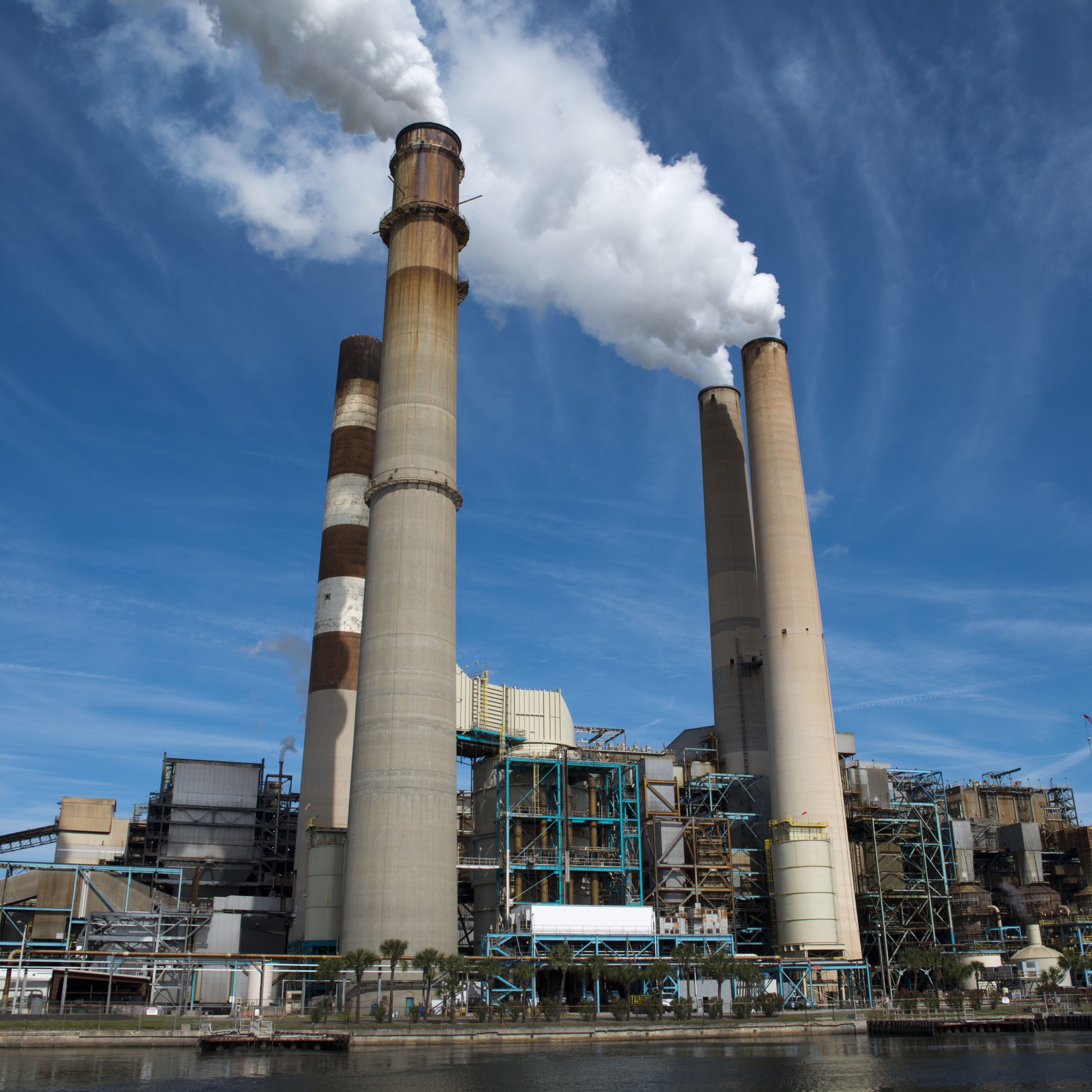
The Hard Life of a Boilermaker: Skill, Strength, and Pride in the Trade
There is a side of industrial work that most people never see. Before the machinery starts, before the plant returns to production, and before the public notices that anything has changed, boilermakers are already at work. They are climbing, lifting, welding, fitting, grinding, inspecting, repairing, and solving problems in some of the most demanding environments imaginable.
The life of a boilermaker is built on long hours, physical endurance, technical knowledge, and teamwork. It is a career that requires far more than strength. A successful boilermaker must understand drawings, measurements, metalwork, safety procedures, tools, equipment, and the importance of precision. A small mistake can create a serious hazard, which is why every task must be completed with patience, concentration, and respect for the trade.
For many boilermakers, the work begins before sunrise. While much of the world is still asleep, crews are preparing for another demanding day. Depending on the project, the job may involve working in extreme heat, freezing weather, confined spaces, elevated areas, or locations where heavy industrial equipment surrounds the crew. The work can be uncomfortable, exhausting, and dangerous, but it is also necessary. Without skilled tradespeople, many industrial facilities could not operate safely or efficiently.
The Strength Behind the Work
Boilermakers work on equipment that is often massive in size and critical to industrial operations. Their responsibilities may include fabricating, assembling, maintaining, repairing, and inspecting boilers, pressure vessels, tanks, piping systems, heat exchangers, and other heavy industrial structures.
The work demands physical strength because materials are heavy and access is not always easy. A boilermaker may spend hours carrying tools, handling steel, operating equipment, or working in awkward positions. However, physical strength is only one part of the job. The real challenge is combining strength with control and accuracy.
Metal must be cut correctly. Components must be aligned precisely. Welds must meet strict standards. Bolts and connections must be properly installed. Equipment must be inspected carefully. Every part of the process matters because industrial systems depend on reliability.
A boilermaker cannot simply rush through a task. The work must be done correctly the first time, and often under pressure. Shutdowns and maintenance projects operate on demanding schedules, but safety and quality cannot be sacrificed for speed.
Life as a Boilermaker
One of the hardest parts of being a boilermaker is the lifestyle. The work can require travel, extended shifts, overtime, night work, and long periods away from family. During major shutdowns, crews may work for many consecutive hours to complete critical repairs and return a facility to operation.
The schedule can be difficult to balance. Birthdays, holidays, weekends, and family events may take place while a boilermaker is on the job. While others are relaxing at home, boilermakers may be inside a vessel, beside a furnace, on a scaffold, or working through the night to meet a project deadline.
This lifestyle requires sacrifice. It requires understanding from spouses, children, parents, and friends. It also requires personal discipline. A boilermaker must manage fatigue, stay focused, maintain a strong work ethic, and continue making safe decisions even after many hours on the job.
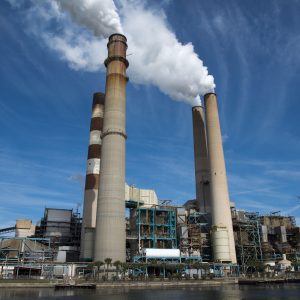
Despite the difficulties, there is great pride in knowing that the work has a purpose. Boilermakers help keep power plants, refineries, chemical facilities, manufacturing plants, and other industrial operations running. They repair the equipment that communities and businesses depend on every day.
The Importance of the Boilermakers Union
The Boilermakers Union represents more than a workplace. It represents training, brotherhood, professionalism, and a commitment to doing the job properly.
Union boilermakers are expected to maintain high standards. They learn from experienced workers, develop their technical skills, and support one another in challenging situations. The union brings together people from different backgrounds and gives them the opportunity to build careers through hard work and dedication.
The strength of the trade comes from the people who perform it. Each person contributes a different skill, whether it is welding, fitting, rigging, equipment operation, supervision, inspection, or planning. When those skills come together, the crew becomes more than a group of workers. It becomes a coordinated team that can handle difficult work safely and efficiently.
Pride in the Trade
My name is Alex Vivanco, and I am a boilermaker. Like many people in this trade, I understand that the job demands sacrifice, but I also understand the pride that comes with doing it well.
Being a boilermaker means learning how to work through difficult conditions without losing focus. It means respecting the hazards, trusting the people around you, and refusing to take shortcuts. It means showing up prepared and being willing to learn from every project.
There are days when the work feels physically and mentally exhausting. There are moments when the weather is harsh, the hours are long, and the task seems more complicated than expected. However, those are also the moments that reveal the character of a tradesperson.
The trade teaches patience and responsibility. It teaches that a good reputation is earned over time through consistent work. It teaches that the people beside you are depending on your decisions, your awareness, and your commitment to safety.
Being a boilermaker is not always easy, but it is meaningful. At the end of a difficult shift, there is satisfaction in knowing that the work was completed by people who understand what it means to take pride in their craft.
Rodrigo Vivanco: Leadership in the Field
Rodrigo Vivanco is a superintendent, and his role carries a tremendous amount of responsibility. A superintendent must coordinate people, equipment, schedules, materials, safety requirements, and project expectations. The job requires leadership, communication, organization, and the ability to make decisions under pressure.
Superintendents are responsible for seeing the larger picture. While individual workers focus on specific tasks, the superintendent must understand how every part of the project fits together. Delays, equipment problems, changing conditions, and safety concerns must be handled quickly and professionally.
Leadership in industrial construction is not simply about giving instructions. A strong superintendent must understand the work and respect the people performing it. The best leaders know what the crew is facing because they have experience in the field themselves.
Rodrigo represents the importance of experienced supervision. A project is only as strong as its coordination, and good leadership helps a crew stay organized, safe, and productive.
Murat Demircioglu: Responsibility and Supervision
Murat is also a superintendent. Like Rodrigo, he carries the responsibility of helping guide crews through complex and demanding work.
A superintendent must balance production with safety. The schedule may be important, but every decision must take the well-being of the crew into account. This requires preparation, communication, and the confidence to stop work when conditions are unsafe.
Murat’s role highlights the importance of people who can lead under pressure. Industrial projects rarely go exactly as planned. Equipment may arrive late, weather may change, access may become difficult, or an unexpected problem may be discovered. A superintendent must remain calm and help the crew find a solution.
Good supervision creates confidence. When workers know that their leaders are paying attention and making responsible decisions, the entire team is stronger.
Jorge Vivanco: The Dedicated Material Coordinator Behind the Operation
Jorge Vivanco serves as the leading material coordinator, a demanding position that requires organization, communication, discipline, and constant attention to detail. His responsibility is to ensure that every work area has the materials, tools, equipment, and supplies required to keep operations moving safely and efficiently.
The role is far more challenging than simply delivering materials from one location to another. Jorge must understand the needs of multiple crews, anticipate upcoming requirements, coordinate deliveries, respond to changing priorities, and solve problems before they affect productivity. When materials are missing or delayed, entire work areas can lose valuable time. Jorge works relentlessly to prevent those delays and make sure each team is prepared to complete its work.
His dedication is evident in the way he approaches every responsibility. Jorge commits himself fully to the job and understands that successful operations depend on preparation and reliability. He works closely with supervisors, foremen, operators, and tradespeople to ensure that everyone receives what they need, when they need it.
Material coordination requires long hours, constant movement, and the ability to remain calm under pressure. Jorge manages these demands with professionalism and determination. Even when schedules change or urgent requests arise, he continues working hard to support the entire operation.
Behind every productive work area is a strong support system, and Jorge Vivanco plays a vital role in that system. His commitment, work ethic, and dedication help keep the job organized and moving forward. He is the person who makes sure the necessary materials are available so that others can perform their work safely, efficiently, and without unnecessary interruptions.
Jorge’s contribution may not always be visible to everyone, but it is essential. His hard work supports the success of the entire team, and his commitment reflects the professionalism and pride that define a reliable material coordinator.
Nicolas Altamirano: Excellence in Bundle Pulling
Nicolas Altamirano is a boilermaker and one of the best bundle puller operators in the world. Bundle pulling is highly demanding work that requires technical understanding, steady judgment, and complete awareness of the equipment and surroundings.
A bundle puller operator works with enormous forces and heavy components. Heat exchangers and similar equipment can be extremely large, and moving them requires careful planning. The operator must understand the machine, the load, the ground conditions, the rigging, the clearances, and the signals from the crew.
Precision is essential. The equipment must be positioned correctly, and communication must remain clear throughout the operation. A moment of confusion or poor coordination can create a serious hazard.
Nicolas’s ability reflects the level of skill required to operate specialized industrial machinery. His experience and confidence demonstrate that equipment operation is not separate from the boilermaker trade; it is an essential part of the work. The best operators combine technical knowledge with calm decision-making, even when the task is stressful and the surroundings are challenging.
Ahmet: Focus and Control on the Equipment
Ahmet is also an extremely experienced bundle puller operator. His work requires concentration, patience, and a deep understanding of the responsibilities that come with controlling heavy equipment.
Bundle pulling is not a task that can be treated casually. Every movement must be deliberate. The operator must remain aware of the crew, the load, the equipment, and the changing conditions around the work area. Good communication is critical, and the operator must be able to respond immediately if something changes.
Ahmet’s role shows how industrial work depends on cooperation. The operator may be in the machine, but the success of the operation depends on everyone involved. Boilermakers, riggers, supervisors, signal people, and equipment operators must work together as one team.
That teamwork is one of the most important parts of the trade. No single person completes a major industrial task alone.
Shane Crips: Skill Behind the Welding

Among the people who represent the dedication of this trade is Shane Crips, a welder for the Boilermakers Union. Welding requires patience, control, experience, and concentration. It is not enough to make metal look connected. The weld must be strong, consistent, and completed according to strict requirements.
A professional welder understands that every bead tells a story about preparation and attention to detail. The surface must be clean, the settings must be correct, the position may be difficult, and the conditions may be far from ideal. Heat, smoke, limited access, and uncomfortable working positions are all part of the challenge.
Shane represents the specialized skill that keeps the trade strong. Welders must have the confidence to work independently while also understanding the importance of communication with the rest of the crew. Their work often becomes part of the structure that keeps industrial equipment safe and reliable.
Ahmed Soufi: Dedication on the Job
Ahmed Soufi is a boilermaker who represents the commitment required to succeed in this industry. The trade demands consistency. It is not enough to work hard one day and lose focus the next. A professional must bring the same level of seriousness to every shift.
Boilermakers often perform tasks that may not be noticed by the public, but the quality of those tasks matters. Cleaning, preparing, fitting, inspecting, grinding, tightening, welding, and repairing are all essential parts of the process.
Ahmed’s work is part of the foundation that allows a project to move forward. Industrial success is built through thousands of individual actions, and every worker contributes to the final result.
The Dangers We Face
Boilermakers work around many hazards. These may include heavy lifting, hot work, confined spaces, hazardous materials, elevated work areas, sharp metal, high-pressure systems, industrial machinery, extreme temperatures, and changing weather conditions.
Safety is not a formality. It is a daily responsibility.
Before work begins, crews must understand the hazards and the controls required to manage them. Personal protective equipment, permits, inspections, gas testing, lockout procedures, fall protection, communication, and proper planning all play a role.
Even with strong safety systems, the work can remain demanding. Fatigue can affect judgment. Heat can reduce concentration. Noise can interfere with communication. Tight spaces can make movement difficult. This is why experienced workers continuously watch out for themselves and each other.
The goal is simple: everyone should return home safely at the end of the shift.
The Brotherhood of the Trade
One of the greatest strengths of boilermakers is the sense of brotherhood. People may come from different countries, cultures, and backgrounds, but the work creates a shared identity.
On the job, workers learn to depend on one another. A hand may be needed with a heavy component. A second opinion may be required before a difficult cut. A coworker may notice a hazard that someone else missed. A skilled worker may teach a newer member how to complete a task properly.
The trade is passed from one generation to the next through mentorship and experience. Every experienced boilermaker has learned from someone else, and every new worker has the opportunity to continue that tradition.
That knowledge is valuable. It is not always written in a manual. Sometimes it comes from watching, listening, asking questions, and learning how to respond when conditions change.
More Than Just a Job
To outsiders, boilermaking may appear to be only hard labor. In reality, it is a highly skilled profession that combines engineering, fabrication, construction, maintenance, safety, and teamwork.
Boilermakers are problem-solvers. They work with plans, measurements, equipment, and materials, but they must also think creatively when real-world conditions do not match the original design.
They are mechanics, welders, fabricators, riggers, operators, inspectors, and builders. Their work supports industries that provide energy, manufacturing, transportation, and essential services.
The trade can be hard on the body and difficult on family life, but it provides something that many careers cannot: the satisfaction of building, repairing, and maintaining things that matter.
The Cost of Pride
The pride of being a boilermaker comes with a cost. It may mean sore muscles, dirty clothing, long commutes, missed celebrations, and time away from home. It may mean working through weather that most people would avoid or entering places that are uncomfortable and dangerous.
But pride is not about pretending the work is easy. Pride comes from acknowledging how difficult it is and continuing to do it professionally.
A boilermaker understands the value of finishing a task properly. The work may not always receive public recognition, but the people in the trade know what it takes. They know who stayed late, who helped carry the load, who solved the problem, who kept the crew safe, and who never gave up.
A Profession Built on Respect
The life of a boilermaker is not for everyone. It requires strength, patience, discipline, courage, and humility. It requires the willingness to work hard while continuing to learn.
People such as Shane Crips, Alex Vivanco, Rodrigo Vivanco, Nicolas Altamirano, Ahmet, Murat, Ahmed Soufi, and Rhys Hardy represent different parts of the same profession. Some weld. Some supervise. Some operate specialized equipment. Some work directly on the tools and materials that keep industrial projects moving.
Together, they show what makes the trade strong: skill, responsibility, teamwork, and pride.
The life of a boilermaker can be hard, but it is also honorable. It is a life built around effort, sacrifice, and commitment. Every shift presents new challenges, but every completed job is a reminder of what skilled tradespeople can accomplish when they work together.
Boilermakers do not simply show up to work. They build their reputation one task at a time, one project at a time, and one long day at a time.
That is the hard life we lead.
That is also the reason we are proud to be boilermakers.