When the Mind Wakes Before the Body
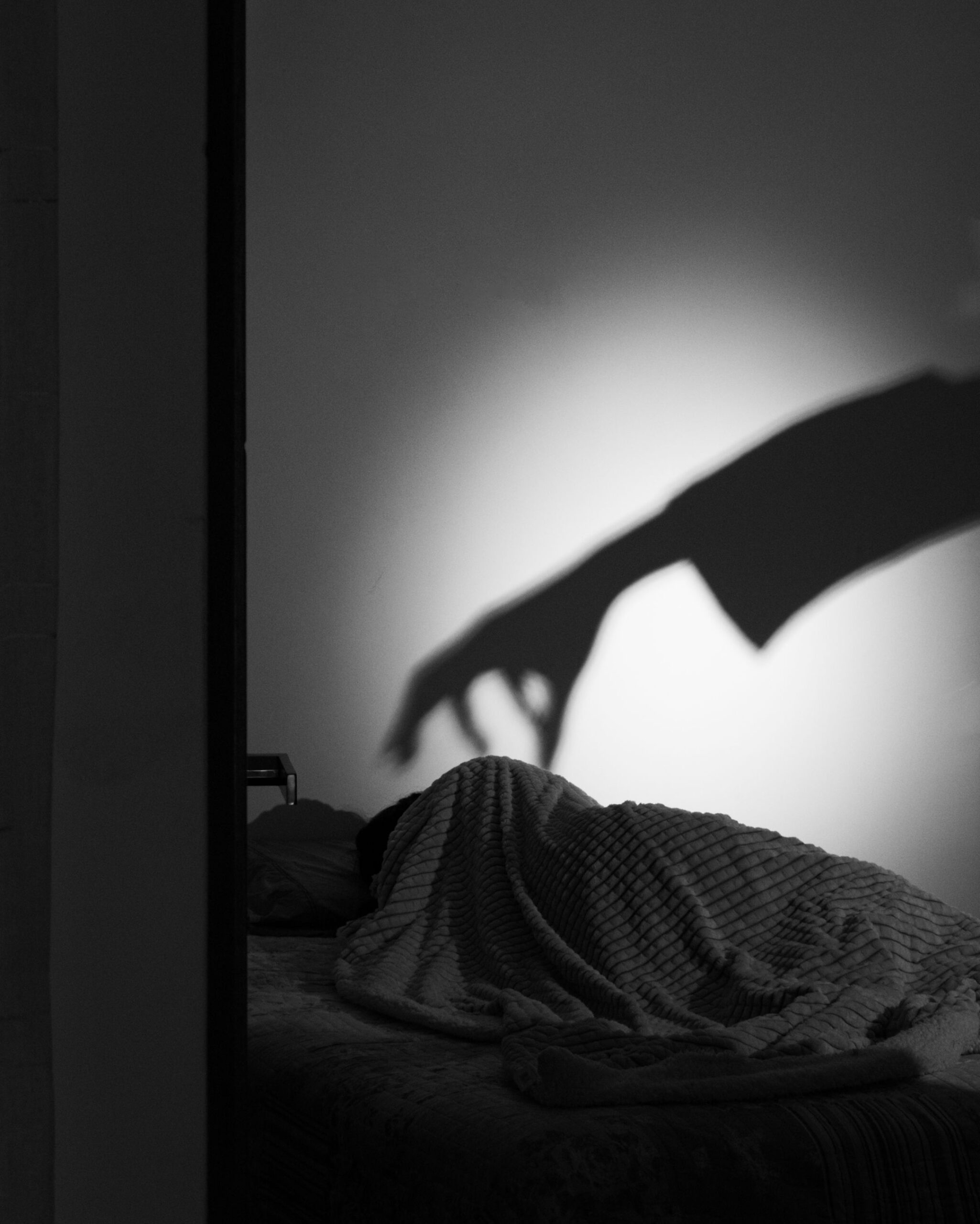
Sleep paralysis is one of the most frightening experiences a person can have while still being completely conscious. A person may wake in the middle of the night, recognize the room around them, hear familiar sounds, and understand what is happening—but remain unable to move or speak. Some people feel pressure on their chest. Others hear footsteps, see shadowy figures, or sense that someone is standing nearby.
Although the experience can feel supernatural, sleep paralysis has a scientific explanation. It occurs when the brain becomes conscious while the body is still experiencing a normal feature of rapid eye movement, or REM, sleep. During REM sleep, the brain is active and dreams are often vivid, but most of the body’s voluntary muscles are temporarily inhibited. This prevents people from physically acting out their dreams.
Sleep paralysis happens when these two states overlap. The mind begins to wake, but the body remains briefly in the muscle-inhibited state of REM sleep.
What Does Sleep Paralysis Feel Like?
Sleep paralysis usually occurs either while a person is falling asleep or while waking up. The experience can be brief, lasting only a few seconds, or it can continue for several minutes. Even when the episode is short, it may feel much longer because fear changes the way people experience time.
The most recognizable symptom is temporary paralysis. A person may be unable to lift an arm, move the legs, turn the head, or speak. Eye movement and breathing generally continue, although breathing can feel difficult or restricted. The sensation of being unable to control the body often produces intense fear.
Some people experience a strong pressure on the chest. This is sometimes described as feeling as if someone is sitting on the bed or pressing down on the sleeper. The pressure may be related to the unusual awareness of breathing during REM sleep, combined with the inability to move normally. Fear and shallow breathing can make the sensation feel even stronger.
Other people experience vivid hallucinations. They may see a dark figure, hear a voice, feel a touch, or believe that someone has entered the room. These hallucinations are not ordinary dreams because the person may also be aware of the real bedroom. Dream imagery is layered over the physical surroundings, creating an experience that can appear completely real.

The Connection Between Sleep Paralysis and REM Sleep
To understand sleep paralysis, it is important to understand REM sleep.
Sleep occurs in cycles that include several stages. REM sleep is one of the most active stages. During REM sleep, brain activity increases, breathing becomes less regular, and most vivid dreaming takes place. The eyes move rapidly beneath the eyelids, which is where the term “rapid eye movement” comes from.
At the same time, the brain temporarily reduces activity in many of the muscles used for voluntary movement. This condition is known as REM atonia. It is a protective mechanism. Without it, people might physically respond to dreams by kicking, running, striking, or attempting to escape.
REM atonia does not mean that every muscle in the body becomes completely inactive. The eyes can move, breathing continues, and some small movements may remain possible. However, the large muscles of the arms, legs, and torso are usually inhibited.
Normally, awareness returns after this muscle inhibition has ended. In sleep paralysis, the timing becomes briefly misaligned. The brain wakes up before the body has fully left the REM state. The person is conscious, but the body is still receiving signals that prevent normal movement.
This explains why sleep paralysis can feel so unusual. The person is not fully dreaming, but they are not completely separated from the dreaming state either. They are caught between sleep and wakefulness.
Why Do People See Shadowy Figures?
One of the most common features of sleep paralysis is the feeling that another person or presence is in the room. Across different cultures, people have described similar experiences for centuries. The figure may appear as a shadow, an intruder, a supernatural being, an animal, or a threatening person.
Scientists believe several processes may contribute to this sensation.
First, sleep paralysis places the brain in a state of uncertainty. The person is awake enough to understand the surroundings, but unable to move or respond. The brain recognizes danger but lacks normal information from movement and touch to determine what is happening. In response, it may construct an explanation for the fear.
Second, the brain is still partly influenced by dream activity. REM sleep can produce vivid images, emotional reactions, and the feeling that other people are present. When REM imagery continues into wakefulness, it may appear to be located within the bedroom.
Third, the brain is highly sensitive to possible threats when a person feels helpless. A person who cannot move may interpret ordinary sounds or shadows as evidence of an intruder. In sleep paralysis, this threat-detection process can combine with dream imagery, creating the powerful impression that someone is nearby.
The figure can feel real because the experience is not consciously invented in the same way that a person might imagine a character during the day. It is produced by the brain’s perception systems while they are operating in an unusual transitional state.
The Sensation of Pressure on the Chest
Chest pressure is another well-known symptom. Many people describe feeling as if something heavy is sitting on them or as if they are being held down.
Several factors may contribute to this sensation. During REM sleep, breathing patterns change, and people may become unusually aware of the effort required to breathe. When a person wakes while still experiencing REM-related muscle inhibition, normal breathing can feel unfamiliar or restricted.
Panic can also make the sensation worse. Fear activates the body’s stress response, which can lead to rapid breathing, muscle tension, and a racing heartbeat. Because the person cannot move to confirm that they are safe, the physical sensations may become increasingly alarming.
The experience of pressure is real, even though there may be no physical force pressing on the body. A genuine sensation does not necessarily mean that an external object caused it. The brain can create powerful feelings of weight, movement, touch, and pressure from internal signals.

Is Sleep Paralysis Dangerous?
Sleep paralysis is usually not dangerous. It generally ends on its own when the brain and body complete the transition out of REM sleep. A person may suddenly regain movement, wake more completely, or fall back asleep.
The experience can still be deeply distressing. Some people develop anxiety about going to bed because they fear another episode. Repeated episodes may interfere with sleep and contribute to exhaustion, stress, and increased worry.
Sleep paralysis itself is not usually physically harmful, but it can sometimes occur alongside another sleep disorder. Recurrent episodes may be associated with narcolepsy, a neurological sleep disorder involving excessive daytime sleepiness and unusual REM-sleep symptoms. People with narcolepsy may also experience sudden muscle weakness triggered by strong emotions, vivid dreamlike experiences while falling asleep or waking, and disrupted nighttime sleep.
Not everyone who experiences sleep paralysis has narcolepsy. Occasional episodes can happen to people without any serious underlying condition. However, frequent episodes, severe daytime sleepiness, sudden loss of muscle control, or major disruption to daily life should be discussed with a healthcare professional.
Common Factors That May Increase the Risk
Sleep paralysis can affect people of any age, although it is often first noticed during adolescence or early adulthood. It may occur only once, or it may return periodically over many years.
Several factors have been associated with a greater likelihood of experiencing sleep paralysis.
Irregular sleep schedules
People who work night shifts, travel across time zones, study late into the night, or frequently change their sleeping hours may experience more disruption between sleep stages. An irregular schedule can make the transition into and out of REM sleep less predictable.
Sleep deprivation
Not getting enough sleep can affect the structure of sleep and increase the likelihood of unusual transitions between stages. A person who is exhausted may fall asleep quickly and enter REM sleep differently than usual.
Stress and anxiety
Periods of emotional stress can interfere with sleep quality. Anxiety may also increase awareness of bodily sensations during the night, making an episode more frightening.
Sleeping on the back
Some research has found an association between sleeping in a supine position and sleep paralysis. This does not mean that sleeping on the back causes every episode, but people who experience repeated paralysis sometimes notice that it occurs more often in that position.
Certain sleep disorders
Conditions that disrupt sleep cycles, including narcolepsy and insomnia, may increase the likelihood of sleep paralysis.
Changes in routine
Illness, travel, examinations, demanding work schedules, new parenthood, and other major changes can disturb sleep patterns. Even temporary disruptions may make an episode more likely.
What Should You Do During an Episode?
The most useful first step is to remember that sleep paralysis is temporary. This can be difficult because the experience feels threatening, but understanding the mechanism may reduce panic.
Try to focus on slow, steady breathing. The chest may feel heavy, but breathing generally continues. Concentrating on a gentle exhalation can help prevent fear from escalating.
Some people find it easier to attempt a very small movement rather than trying to move the entire body. Wiggling one finger, moving a toe, blinking, or shifting the tongue may be more manageable than trying to sit upright.
It can also help to focus attention on a neutral object in the room, such as a corner of the ceiling or a piece of furniture. If hallucinations are present, reminding yourself that they are part of the sleep state may make them less convincing.
Once movement returns, sitting up, turning on a light, and taking a few calm breaths may help you fully reorient yourself. It is also useful to record the episode, including when it occurred, how long it seemed to last, and whether anything unusual had happened with your sleep schedule.
How Can Sleep Paralysis Be Prevented?
There is no guaranteed way to prevent sleep paralysis, but healthy sleep habits may reduce the chance of repeated episodes.
Maintaining a regular sleep and wake schedule is one of the most practical steps. Going to bed and waking up at approximately the same times each day can support a more stable circadian rhythm.
Adequate sleep is also important. Most adults need at least seven hours of sleep per night, although individual needs vary. A consistent lack of sleep can make unusual sleep experiences more likely.
Reducing alcohol and avoiding stimulating substances close to bedtime may improve sleep quality. Caffeine, nicotine, and certain medications can affect sleep timing and structure. Anyone who suspects that a medication is contributing to sleep paralysis should speak with a healthcare professional rather than stopping the medication independently.
A cool, dark, and quiet bedroom can also support more stable sleep. Relaxation techniques, gentle stretching, and reducing screen use before bed may help some people settle into sleep more easily.
If episodes occur frequently, a doctor or sleep specialist may investigate possible causes and recommend appropriate treatment. Treatment depends on the underlying problem. It may involve improving sleep habits, addressing anxiety or insomnia, or evaluating symptoms associated with narcolepsy.
Sleep Paralysis and Culture
Although sleep paralysis has a biological explanation, people often interpret it through the beliefs and stories of their culture. Different societies have developed different names for the experience and different explanations for the presence felt during an episode.
In Newfoundland folklore, the experience has been associated with the “Old Hag,” a figure believed to sit on a person’s chest at night. In other traditions, people have described demons, witches, spirits, ghosts, aliens, or deceased relatives. These interpretations are shaped by the cultural language available to explain an intense and unfamiliar event.
The biological experience may be similar, but the figure and meaning can differ. This suggests that sleep paralysis includes both universal physiological elements and culturally influenced interpretations. The body enters a REM-related state, while the mind draws on familiar symbols to explain what it perceives.
This does not make cultural stories meaningless. They can provide communities with a way to describe fear, share experiences, and offer emotional support. However, the scientific evidence indicates that the paralysis and hallucinations arise from sleep-related brain activity rather than proof of an external presence.

Why the Experience Feels So Real
The human brain does not passively record reality. It constantly combines sensory information with memory, expectations, and predictions. Most of the time, this process works so smoothly that people experience the world as stable and immediate.
During sleep paralysis, the normal sources of information become confused. The person may see the room but remain influenced by dream imagery. They may hear sounds without knowing whether the sounds came from outside or from the dream. They may feel their body but also experience floating, shrinking, expanding, or leaving the bed.
The brain attempts to create one coherent explanation from these conflicting signals. If the person feels fear, the explanation may take the form of an intruder or threatening presence. If the person experiences unusual body sensations, the explanation may involve being pulled, lifted, attacked, or trapped.
The experience therefore feels real not because the brain is functioning randomly, but because it is trying to make sense of an extraordinary combination of signals.
The Relationship Between Dreams and Consciousness
Sleep paralysis provides an unusual glimpse into the relationship between dreaming and waking consciousness. It demonstrates that consciousness does not always change from “off” to “on” in a single moment.
Different elements may return at different speeds. Awareness may appear first. Visual perception may follow. Memory and reasoning may become active while voluntary movement remains blocked. Dream imagery may continue after the person recognizes the bedroom.
This layered transition helps explain why some people experience lucid dreams, false awakenings, or vivid sensations of leaving the body. Each experience involves a different combination of dream processes and waking awareness.
Researchers continue to study these states because they may provide valuable information about how the brain creates the sense of self, the perception of the body, and the feeling of being located in a particular place.
When to Speak With a Doctor
Occasional sleep paralysis is usually not a cause for alarm. However, medical advice is appropriate when episodes are frequent, severe, or emotionally overwhelming.
A person should consider speaking with a healthcare professional if sleep paralysis causes fear of sleeping, persistent daytime exhaustion, repeated sleep disruption, or difficulty functioning at work or school. It is also important to seek advice when episodes occur with sudden muscle weakness, uncontrollable daytime sleepiness, unusual breathing problems, or other neurological symptoms.
A doctor may ask about sleep schedules, medications, mental health, family history, and other symptoms. In some cases, a referral to a sleep specialist or a sleep study may be recommended.
The goal is not simply to label the experience. It is to determine whether sleep paralysis is occurring on its own or as part of a broader sleep or health problem.
A Frightening Experience With a Scientific Explanation
Sleep paralysis occupies an unusual space between biology and personal experience. The physical process can be explained through REM sleep, muscle inhibition, brain activity, and disrupted transitions between sleep and wakefulness. Yet the experience itself remains deeply personal.
A person may remember the shape of a figure, the sound of a voice, or the weight on the chest for years. Knowing that the experience came from the brain does not mean it was imaginary in the dismissive sense. The fear was real. The sensations were real. The memories were real.
What science offers is not an argument that the person should simply ignore the experience. It offers a framework that can replace confusion with understanding. Sleep paralysis is not evidence that someone is weak, unstable, or losing control of reality. It is a temporary disturbance in the timing of systems that normally work together.
For a brief period, the mind wakes before the body. Dreams overlap with the bedroom. The brain searches for meaning in the darkness. Then, just as suddenly as it began, the connection is restored, movement returns, and the experience fades.
The night may still feel mysterious afterward. But beneath the mystery is an extraordinary example of how carefully coordinated sleep and consciousness must be—and how strange it can feel when that coordination slips.