Thailand’s Small Island of Endless Beauty
There are many beautiful islands in Thailand, each with its own character. Phuket is famous for its energy and nightlife, Koh Samui is known for its resorts and palm-fringed beaches, and Koh Phi Phi has become one of the country’s most recognizable tropical destinations. Yet for travelers searching for something more intimate, peaceful, and naturally spectacular, Koh Lipe is often considered one of Thailand’s most beautiful islands.
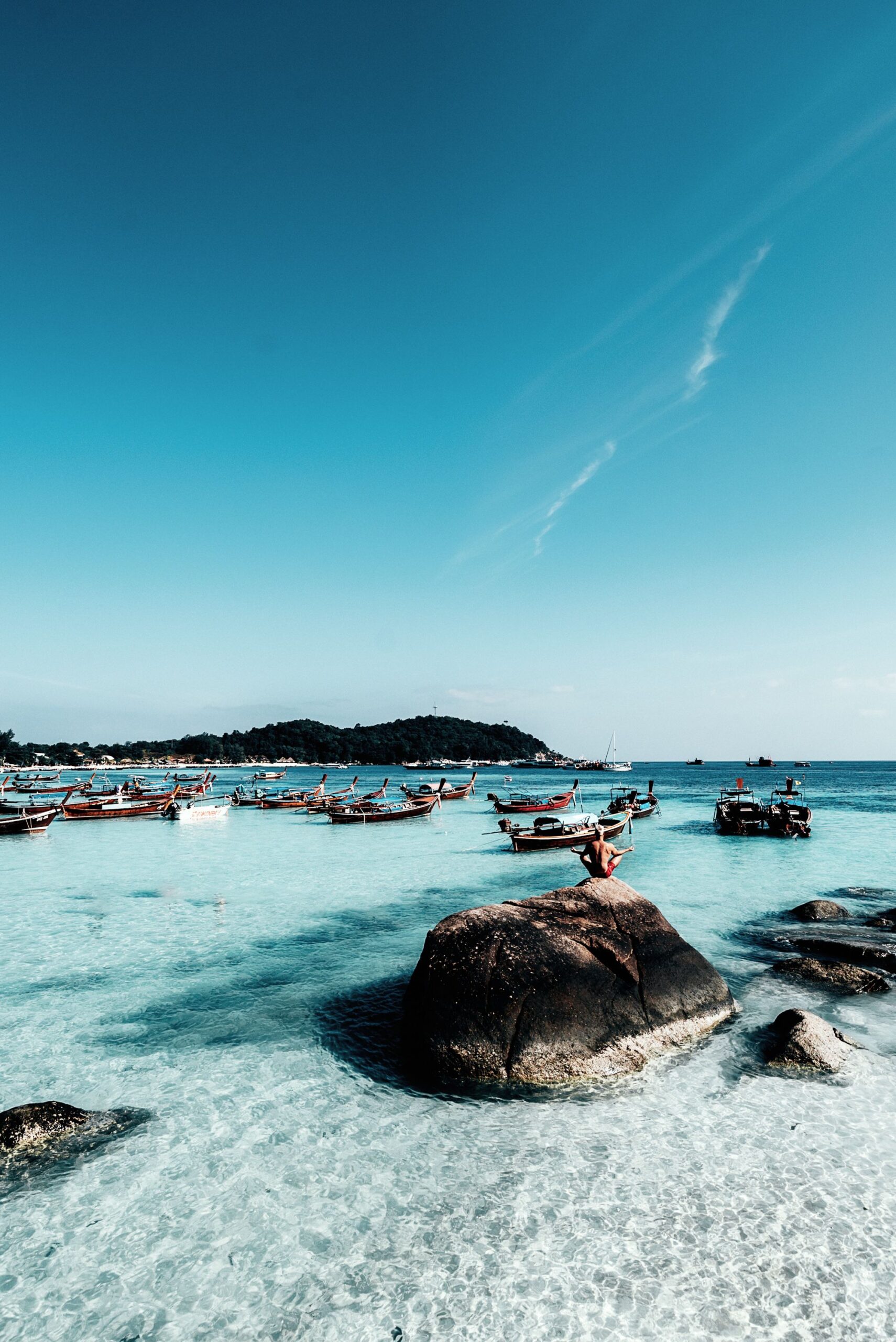
Located in the Andaman Sea near the Malaysian border, Koh Lipe is a small island surrounded by clear turquoise water, coral reefs, white-sand beaches, and a chain of protected islands belonging to Tarutao National Marine Park. Its beauty is not limited to one famous viewpoint. It appears in the changing colors of the sea, the soft sound of long-tail boats, the glow of sunset over the horizon, and the quiet moments when the island seems to belong entirely to nature.
A Small Island with a Remarkable Setting
Koh Lipe is small enough to explore on foot, but its surroundings are vast. The island lies within the Tarutao National Marine Park, Thailand’s first marine national park, established to protect the region’s forests, coastlines, coral reefs, and marine life. The park includes numerous islands and stretches of ocean, creating an extraordinary natural environment around Koh Lipe.
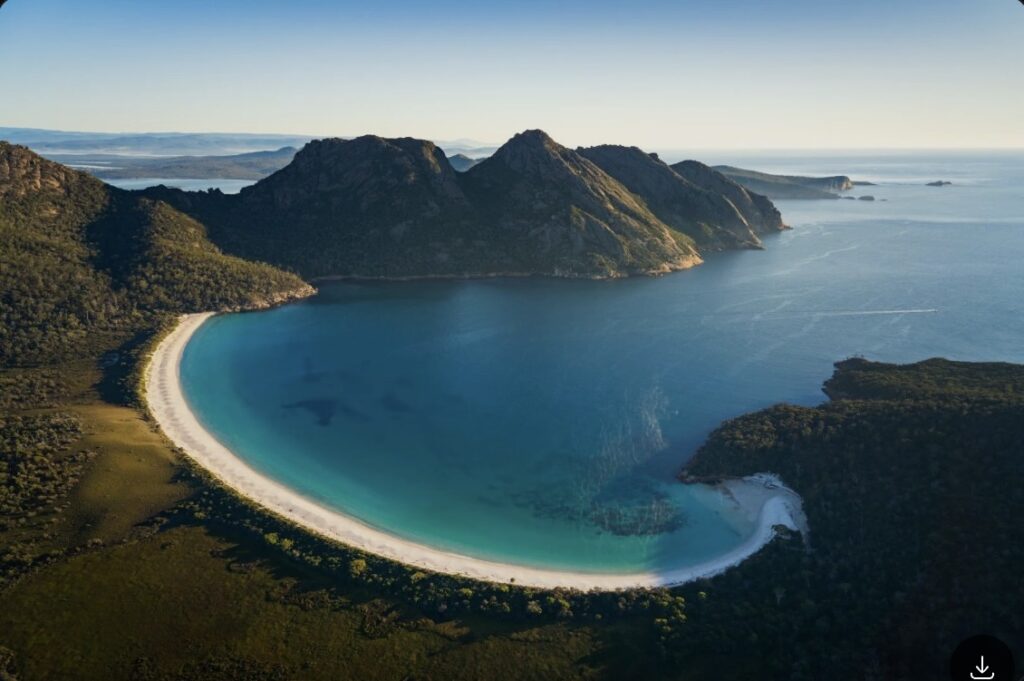
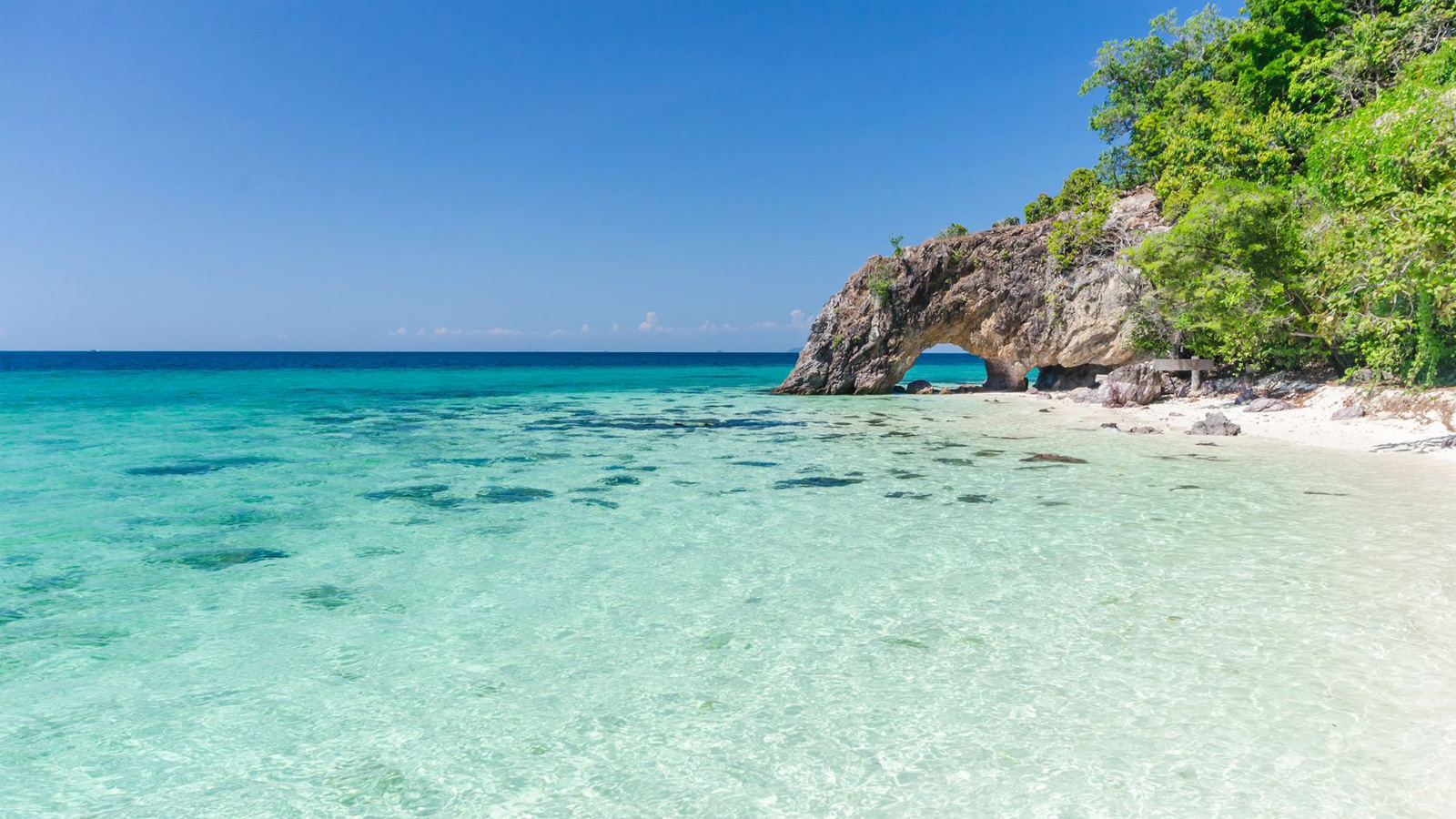
From the shore, the landscape seems almost unreal. The sea changes from pale green near the sand to brilliant blue farther out. Small islands appear in the distance, their forested hills rising from the water like emeralds scattered across a sheet of glass. At low tide, sandbars emerge between islands, while at high tide, the water surrounds the beaches in a smooth, uninterrupted blue.
Koh Lipe’s location gives it a special quality. It feels remote without being completely inaccessible, peaceful without being empty, and developed enough to welcome visitors without losing all of its natural charm.

The Three Beaches of Koh Lipe
Although Koh Lipe is compact, its beaches each offer a different experience. The island’s three best-known beaches are Pattaya Beach, Sunrise Beach, and Sunset Beach.
Pattaya Beach: The Island’s Bright Front Door
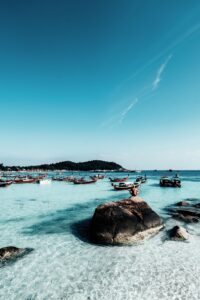
Pattaya Beach is usually the first place many visitors see when they arrive. It curves around a broad bay of soft sand and clear water, with long-tail boats resting near the shore. Despite being one of the island’s busiest areas, it remains strikingly beautiful.
During the day, the beach is bright and lively. Visitors swim in the shallow water, walk along the shoreline, or take boats to nearby snorkeling sites. In the evening, the atmosphere becomes calmer. Restaurants begin serving seafood and Thai dishes, the sky turns gold and pink, and the lights of the island begin to shine.
The beach is also close to Walking Street, the center of Koh Lipe’s small collection of cafés, restaurants, shops, and travel agencies. This makes Pattaya Beach convenient for visitors who want both natural beauty and easy access to the island’s services.
Sunrise Beach: Quiet Mornings and Clear Water
On the eastern side of the island, Sunrise Beach is often regarded as one of Koh Lipe’s most beautiful places. As its name suggests, it is an ideal location to watch the sun appear over the Andaman Sea.
The mornings here are peaceful. The water is usually calm, and the first light of day spreads across the bay before the island becomes active. Long-tail boats move slowly across the horizon, while the beach remains cool and quiet.
Sunrise Beach also offers excellent opportunities for swimming and snorkeling. The water is shallow in several areas, and small coral formations can be found close to shore. In some seasons, tiny islands and sandbars become visible just offshore, creating a scene that seems carefully arranged for a travel photograph.
Sunset Beach: A More Peaceful End to the Day
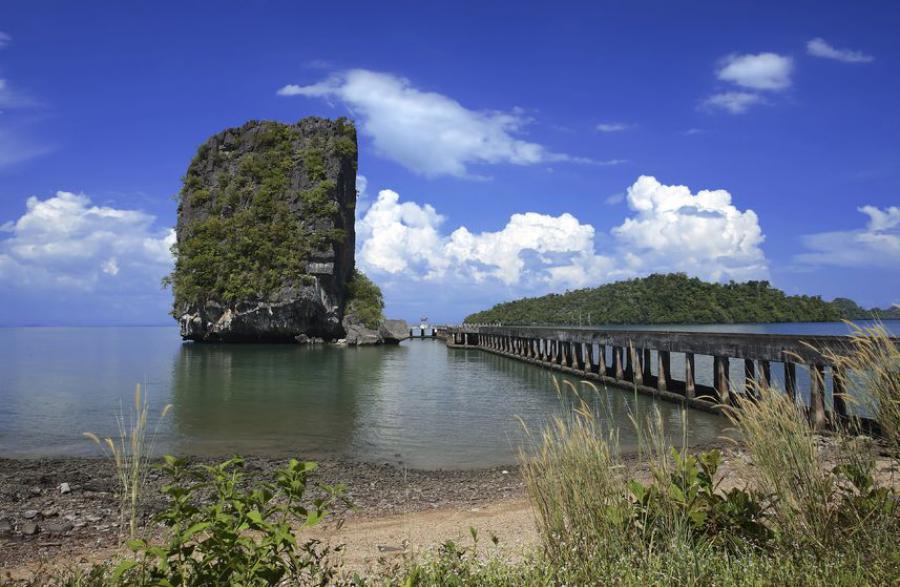
Sunset Beach, known locally as Ao Pramong, is smaller and quieter than Pattaya Beach and Sunrise Beach. It is surrounded by rocks, trees, and a more relaxed atmosphere.
This is the place to go when the day begins to soften. The sun sinks toward the horizon, the sea reflects shades of orange and lavender, and the island’s natural sounds become easier to hear. There is less activity, fewer boats, and more space to sit quietly.
Sunset Beach is not necessarily the largest or most dramatic beach on Koh Lipe, but it has a gentle beauty. It reminds visitors that an island holiday does not need to be filled with constant activity. Sometimes the most memorable experience is simply watching the evening arrive.

A History Shaped by the Sea
Koh Lipe is connected to the Urak Lawoi’, a sea-oriented Indigenous community whose history is closely tied to the islands and waters of the Andaman coast. For generations, the Urak Lawoi’ have relied on fishing, coastal knowledge, boat building, and movement between islands.
Their presence is an important part of Koh Lipe’s identity. The island is not simply a resort destination created for tourism. It is also a cultural landscape with a living community and a history that existed long before modern visitors began arriving.
The surrounding Tarutao islands also have a complicated past. Before becoming a protected natural area, Tarutao Island was used as a penal colony during the twentieth century. Prisoners were sent there because of its isolation, and the difficult environment made escape extremely dangerous. Over time, the area’s history became intertwined with its reputation as a remote and mysterious place.
In 1974, Tarutao National Marine Park was established as Thailand’s first marine national park. Its creation marked a major shift in the region’s history: the islands were increasingly recognized not only for their isolation but also for their ecological importance. In 1990, the park became part of the UNESCO Ko Tarutao Biosphere Reserve, further emphasizing the importance of protecting its marine and terrestrial environments.
This history gives Koh Lipe greater depth. Beneath the beautiful beaches lies a story of Indigenous culture, isolation, conservation, and rapid change.
Life Beneath the Water
For many visitors, Koh Lipe’s greatest treasure is not on the beach but beneath the surface of the sea. The waters surrounding the island contain coral reefs, colorful fish, sea urchins, starfish, and other marine life.
Snorkeling trips commonly visit nearby islands such as Koh Adang, Koh Rawi, and smaller islands within the marine park. The water is often clear enough for swimmers to see fish moving above the coral. In the best conditions, the experience can feel like entering another world: sunlight passes through the surface, coral gardens sway gently beneath the waves, and schools of fish move in shimmering groups.
Diving is also popular around Koh Lipe. The region offers sites suitable for different experience levels, from relatively calm shallow areas to deeper reefs and underwater rock formations. Marine life varies with the season and location, but the area is known for its rich biodiversity.
Koh Lipe surrounded by the blue waters of the Andaman Sea
However, the beauty of the marine environment is also a reminder of its fragility. Coral reefs are vulnerable to warming oceans, pollution, careless anchoring, and excessive human contact. Visitors can help protect the area by avoiding touching coral, using reef-safe practices where possible, refusing single-use plastics, and choosing operators that follow responsible marine-tourism guidelines.
The future of Koh Lipe depends not only on the beauty of its beaches but also on the health of the ecosystem beneath them.
Walking Through the Island
One of Koh Lipe’s greatest pleasures is its simplicity. Unlike larger Thai islands, it does not require long drives or complicated transportation to move from one area to another. Many places can be reached by walking along paths that connect the beaches and central village.
Walking Street forms the social heart of the island. It is filled with small restaurants, cafés, souvenir shops, diving centers, massage studios, and local businesses. During the evening, the street becomes especially lively as travelers return from the beach and gather for food.
The area offers a blend of Thai and international flavors. Visitors can enjoy fresh seafood, spicy curries, noodle dishes, fruit shakes, pancakes, and grilled food. The island’s dining scene is informal, but that is part of its appeal. Meals are often enjoyed outdoors, with the sound of distant boats and the smell of the sea nearby.
Away from the busiest paths, the island becomes quieter. Palm trees move in the wind, cats rest beneath buildings, and narrow lanes lead toward small beaches and local homes. These ordinary details are part of Koh Lipe’s charm. Its beauty is not only found in dramatic views; it is also present in the rhythm of island life.
A Place for Both Adventure and Rest
Koh Lipe can be as active or as peaceful as a visitor chooses.
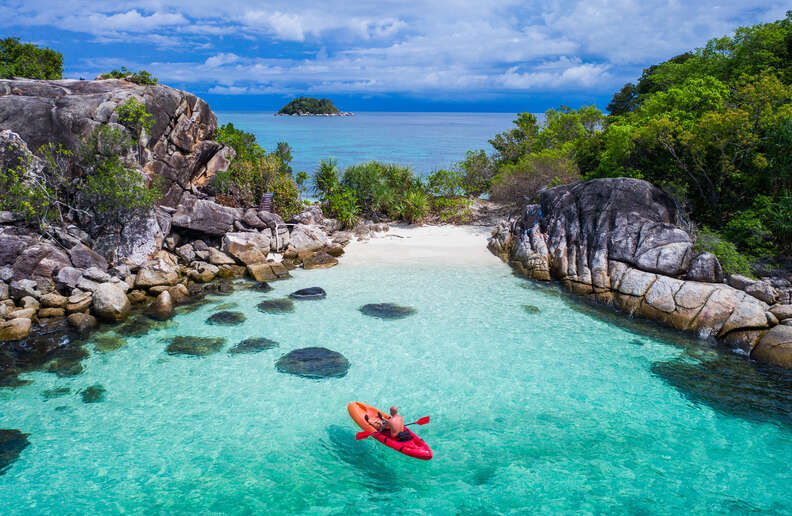
Adventurous travelers can go snorkeling, scuba diving, kayaking, paddleboarding, hiking, or island-hopping. A short boat trip can take visitors to hidden coves, uninhabited beaches, and reefs farther from the main island. Koh Adang, located nearby, offers hiking opportunities and elevated viewpoints across the surrounding sea.
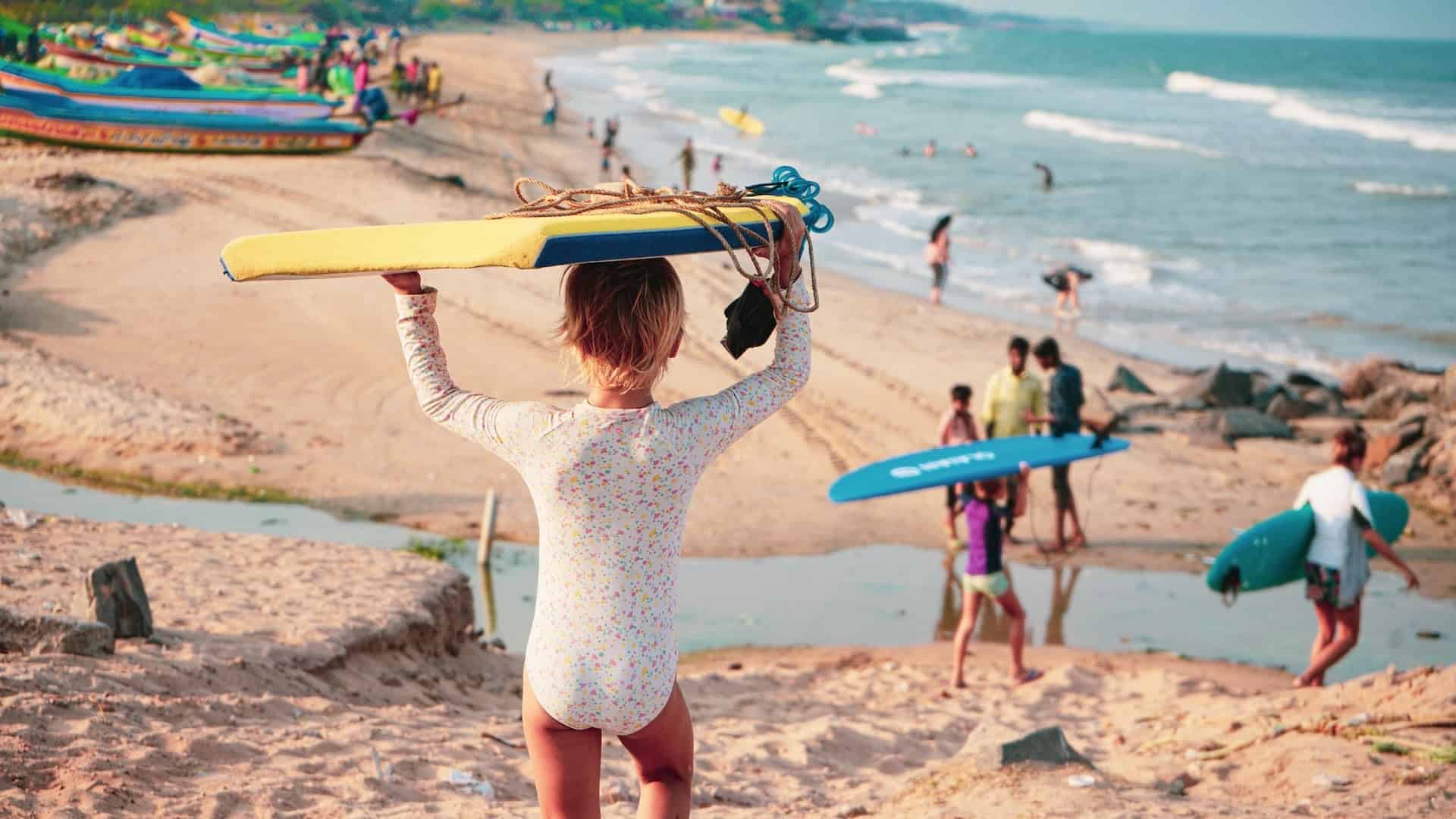
Those seeking relaxation can spend the day reading beneath a palm tree, swimming in shallow water, or walking slowly along the shore. Because the island is small, it is possible to experience several different moods in a single day: a sunrise swim, a snorkeling trip at midday, a quiet afternoon at a less crowded beach, and a sunset dinner by the sea.
This balance is one reason Koh Lipe continues to attract travelers. It offers the beauty of a tropical paradise without requiring every visitor to follow the same schedule.
When to Visit Koh Lipe
Koh Lipe is generally most accessible during Thailand’s Andaman Sea travel season, which usually runs from around November through April. During these months, the weather is often sunnier, the sea is calmer, and boat connections are more frequent.
The period between December and February is popular because of the pleasant weather, although it can also be the busiest time of year. March and April may bring warmer temperatures, but the water can remain inviting and visibility can still be excellent.
During the monsoon season, conditions may become more difficult. Some services operate on reduced schedules, and rougher seas can affect boat transportation. The rain can make the island beautifully green, but travelers should check current transport and weather conditions before planning a visit.
Because Koh Lipe is part of a protected marine area, visitors should also be aware of park regulations, conservation fees, seasonal closures, and local environmental guidelines.
The Challenge of Popularity
Koh Lipe’s growing popularity has brought economic opportunities to the island, but it has also created challenges. More visitors mean greater demand for water, electricity, transportation, accommodation, and waste management. Construction and tourism can place pressure on beaches, reefs, forests, and local communities.
The question facing Koh Lipe is not whether people should visit. It is how the island can welcome visitors without losing the qualities that made it special in the first place.
Responsible travel matters. Choosing locally owned businesses, reducing plastic waste, conserving water, respecting the Urak Lawoi’ community, staying on marked paths, and leaving beaches exactly as they were found are small actions with meaningful consequences.
A beautiful island is not simply a place to photograph. It is a living environment. Its forests, reefs, beaches, traditions, and communities deserve the same care as its scenery.
Why Koh Lipe Remains So Memorable
Koh Lipe is beautiful because many forms of beauty exist there at once. There is the obvious beauty of the beaches, where white sand meets transparent water. There is the dramatic beauty of nearby islands, rising from the sea in deep green layers. There is the hidden beauty of coral reefs and marine life. There is also the human beauty of a small community shaped by the sea and connected to the region’s long history.
What makes the island especially memorable is its scale. Koh Lipe is large enough to offer variety but small enough to feel personal. A visitor can walk across much of the island, return to a favorite beach, recognize the same boat operators, and gradually become familiar with the rhythm of the place.
At sunrise, the sea appears almost silver. By midday, it becomes blue and turquoise. In the late afternoon, the light turns warm, illuminating the sand and the roofs of the island’s small buildings. At night, the darkness over the water creates a sense of distance from the modern world.

A Final Reflection
To call Koh Lipe the most beautiful island in Thailand is, of course, a matter of personal opinion. Thailand contains countless islands, and each has its own special character. But Koh Lipe has a rare combination of qualities: clear water, spectacular beaches, colorful marine life, a fascinating cultural history, and access to one of the country’s most important protected marine environments.
Its beauty is powerful, but it should never be taken for granted. The island’s future depends on thoughtful tourism and a shared understanding that paradise requires protection.
Koh Lipe is more than a holiday destination. It is a meeting place between land and sea, tradition and tourism, adventure and stillness. For those fortunate enough to experience it, the island often leaves behind more than photographs. It leaves a lasting memory of sunlight on the water, sand beneath bare feet, and an overwhelming sense that the world can still contain places of extraordinary natural wonder.