Where the Earth Still Feels Young
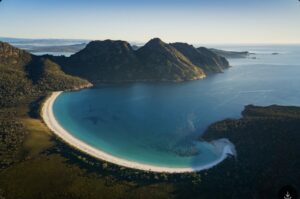
Aerial view of the Galápagos Islands
There are places in the world that seem beautiful because of their scenery, and then there are places that feel almost alive in their entirety. The Galápagos Islands belong to the second category. Here, the land rises from the Pacific Ocean in black volcanic ridges, the wind carries the cries of seabirds across empty beaches, and animals move through the landscape with a confidence that suggests they have never learned to fear human beings.
Galápagos National Park is more than a destination. It is a living story of evolution, survival, isolation, and conservation. Located roughly 1,000 kilometres west of mainland Ecuador, the archipelago stretches across the equator and contains a remarkable collection of islands, islets, lava formations, coves, and marine habitats. Its wildlife has become famous around the world, but the true wonder of Galápagos is not simply the number of unusual species found there. It is the way the entire environment works together as one extraordinary natural system.
A visit to the park is an encounter with nature at its most direct. There are no grand fences separating visitors from the wild. Instead, there are narrow trails, quiet bays, protected nesting sites, and the constant responsibility to observe without disturbing. Every step through the islands is a reminder that this is a fragile place—one that must be admired carefully so it can continue to inspire generations yet to come.
A Landscape Born of Fire
The Galápagos Islands were formed by volcanic activity beneath the ocean. Over millions of years, eruptions pushed mountains of cooled lava above the surface, creating the rugged islands seen today. Their origins are written across the landscape: in hardened lava flows, volcanic craters, black stone beaches, and hills shaped by wind and time.
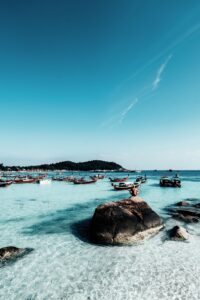
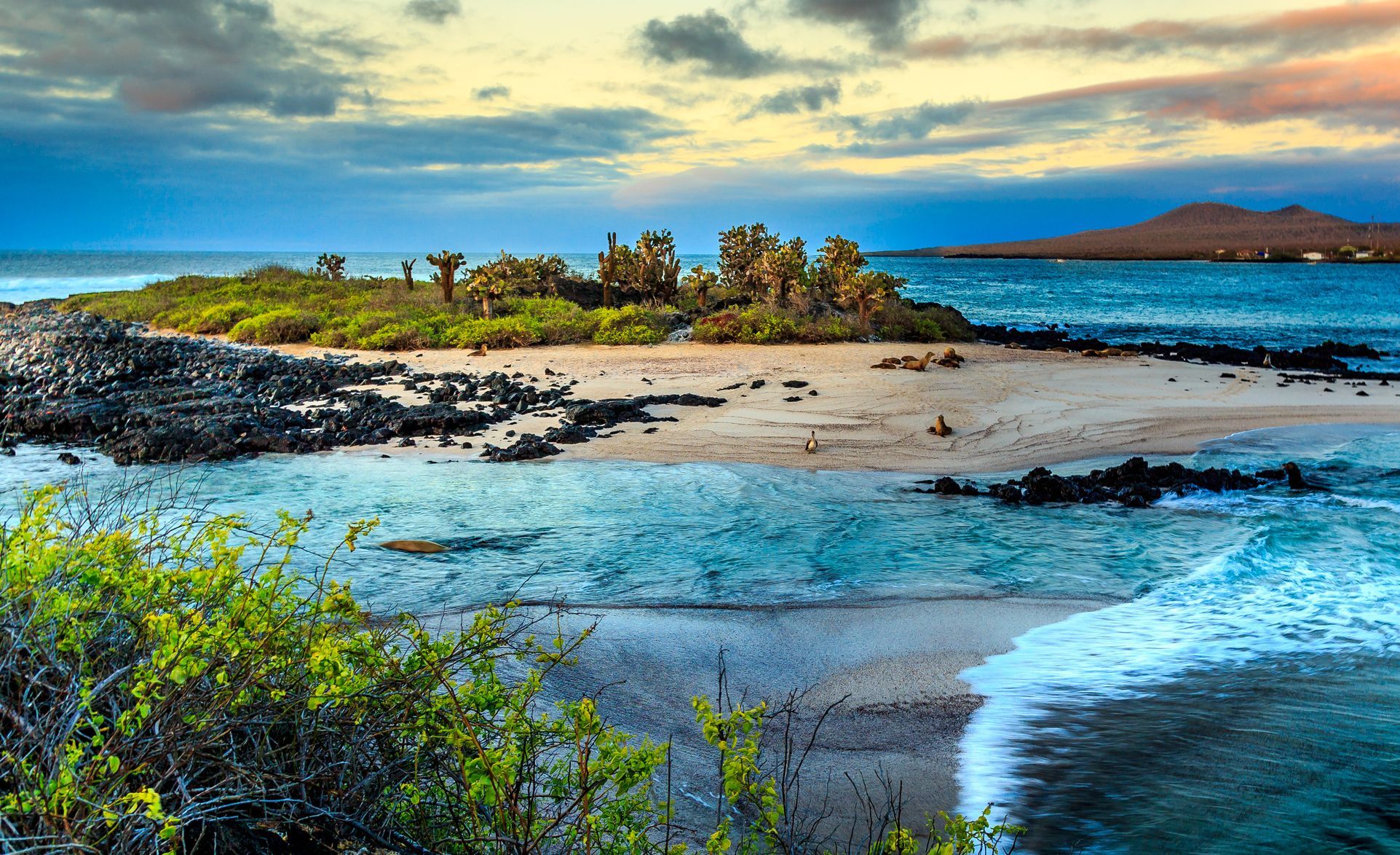
Some areas appear almost otherworldly. Dark lava fields stretch toward the horizon, interrupted by hardy shrubs and small bursts of green. In other places, bright turquoise water gathers against pale sand, creating an unexpected contrast with the severe volcanic rock. The islands possess an unusual beauty because they are not polished or carefully arranged. They are raw, elemental, and constantly changing.
The volcanic landscape of the Galápagos
The absence of abundant fresh water and fertile soil has made life difficult in the Galápagos. Yet the plants and animals that arrived here gradually adapted to the islands’ demanding conditions. Some species learned to survive on sparse vegetation. Others developed extraordinary abilities to conserve water, withstand heat, or travel long distances across the ocean.
The result is a landscape where every living thing seems to have earned its place. The islands do not offer easy survival, but they reward resilience with an exceptional degree of natural freedom.
The Animals That Made Galápagos Famous
For many visitors, the first unforgettable moment comes when they realize that the animals are not behaving as they would in most other parts of the world. A sea lion may sleep beside a walking path. A marine iguana may rest on warm volcanic rock only a short distance away. A blue-footed booby may stand calmly near the shoreline, seemingly unconcerned by the people watching it.
This remarkable lack of fear is one of the most powerful features of the Galápagos experience. Many island species evolved in an environment with relatively few natural land predators. As a result, they often allow people to approach more closely than would be possible elsewhere. That privilege, however, comes with a strict obligation: visitors must never touch, feed, chase, or crowd the wildlife.
The Giant Tortoise
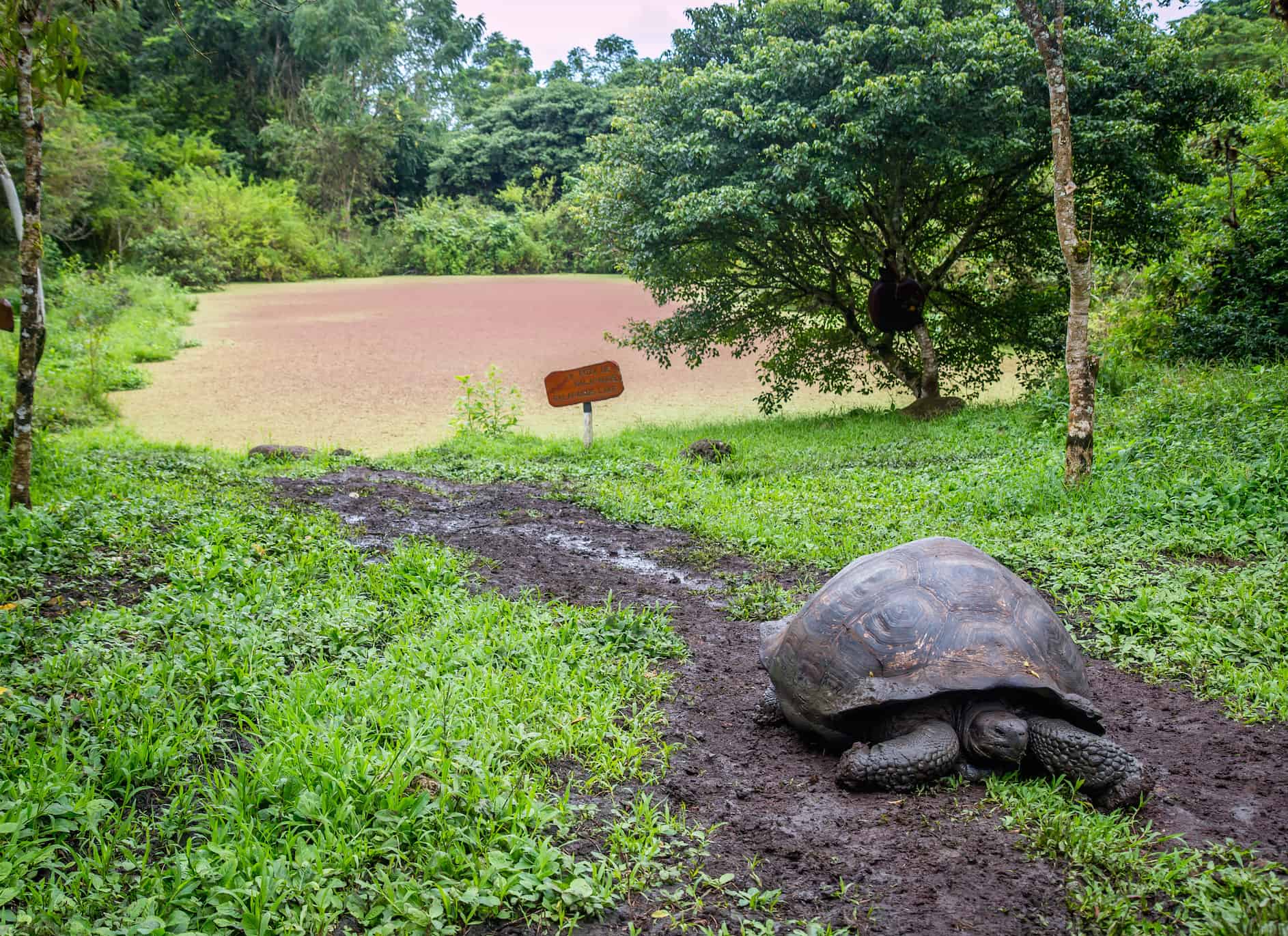
The giant tortoise is perhaps the most enduring symbol of the Galápagos. Slow-moving and long-lived, these extraordinary reptiles can survive for many decades, and some have lived for more than a century. Their large shells rise like ancient domes above their powerful legs, giving them an almost prehistoric appearance.
Yet the giant tortoise is not merely a relic from the past. It remains an important part of the island ecosystem. By feeding on vegetation and travelling across considerable distances, tortoises help shape the landscape and disperse seeds. Their movements connect different areas of habitat, and their continued survival is essential to the ecological balance of the islands.
Observing a giant tortoise in the wild is a quiet experience. There is no dramatic performance and no sudden movement. Instead, there is the privilege of watching an ancient animal move patiently through tall grass or beneath the shade of a tree. Its calm presence changes the pace of the entire day.
Marine Iguanas
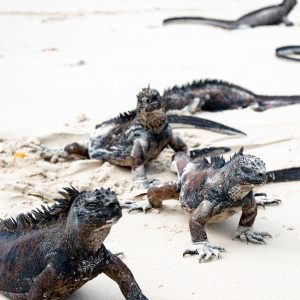
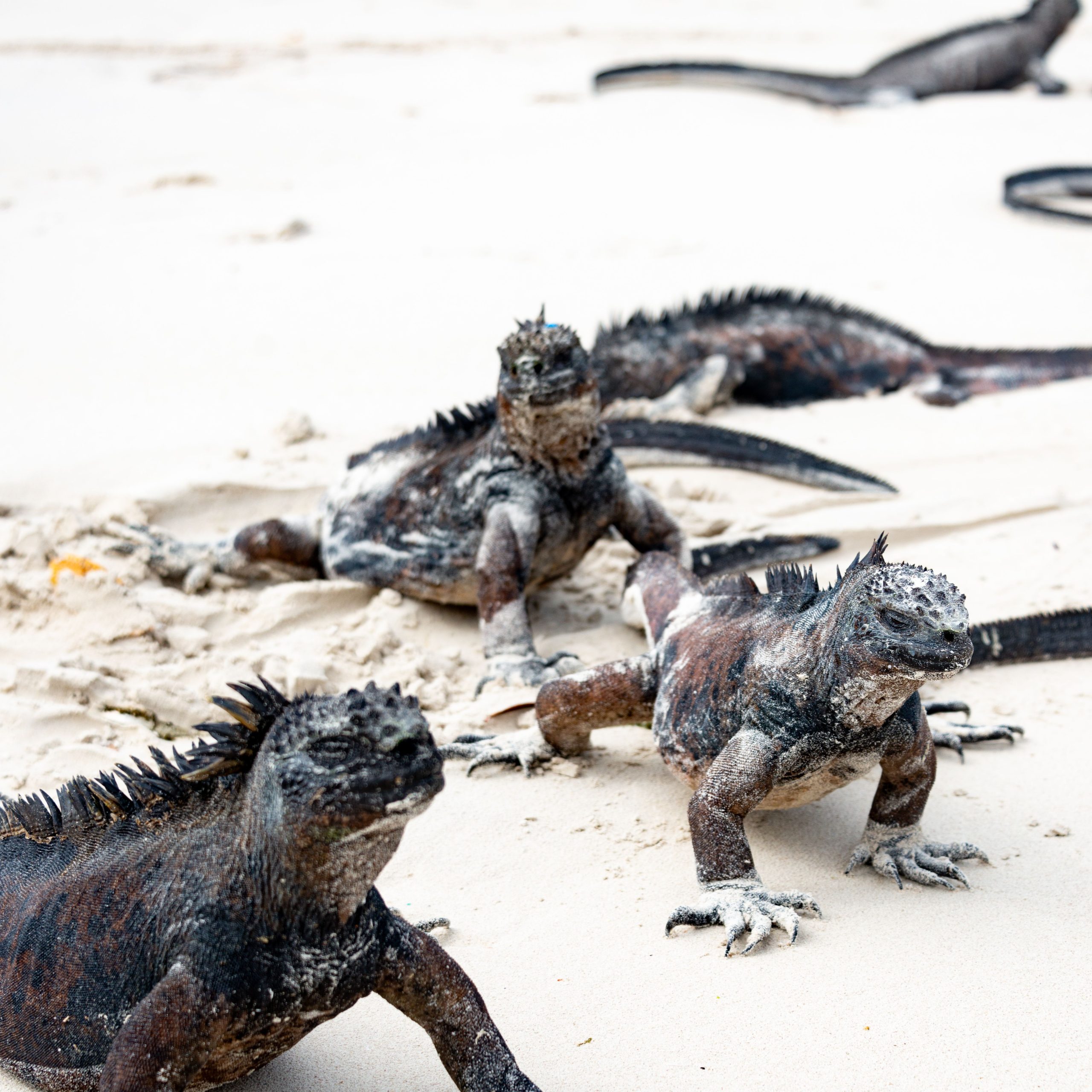
The marine iguana is one of the Galápagos’ most unusual creatures. It is the only modern lizard known to forage in the sea. With flattened bodies, strong claws, and dark colouring that helps absorb heat, marine iguanas appear perfectly designed for their volcanic surroundings.
They often gather in groups along the shoreline, warming themselves on the rocks after feeding underwater. Their dark bodies blend with the lava, while waves break around them and seabirds circle above. At a distance, they can appear almost motionless, like fragments of the volcanic landscape that have somehow begun to breathe.
Despite their formidable appearance, marine iguanas are highly vulnerable to environmental changes. Their food supply depends largely on marine algae, and fluctuations in ocean temperature can affect the abundance of that algae. Their survival is therefore closely linked to the health of the surrounding sea.
Sea Lions
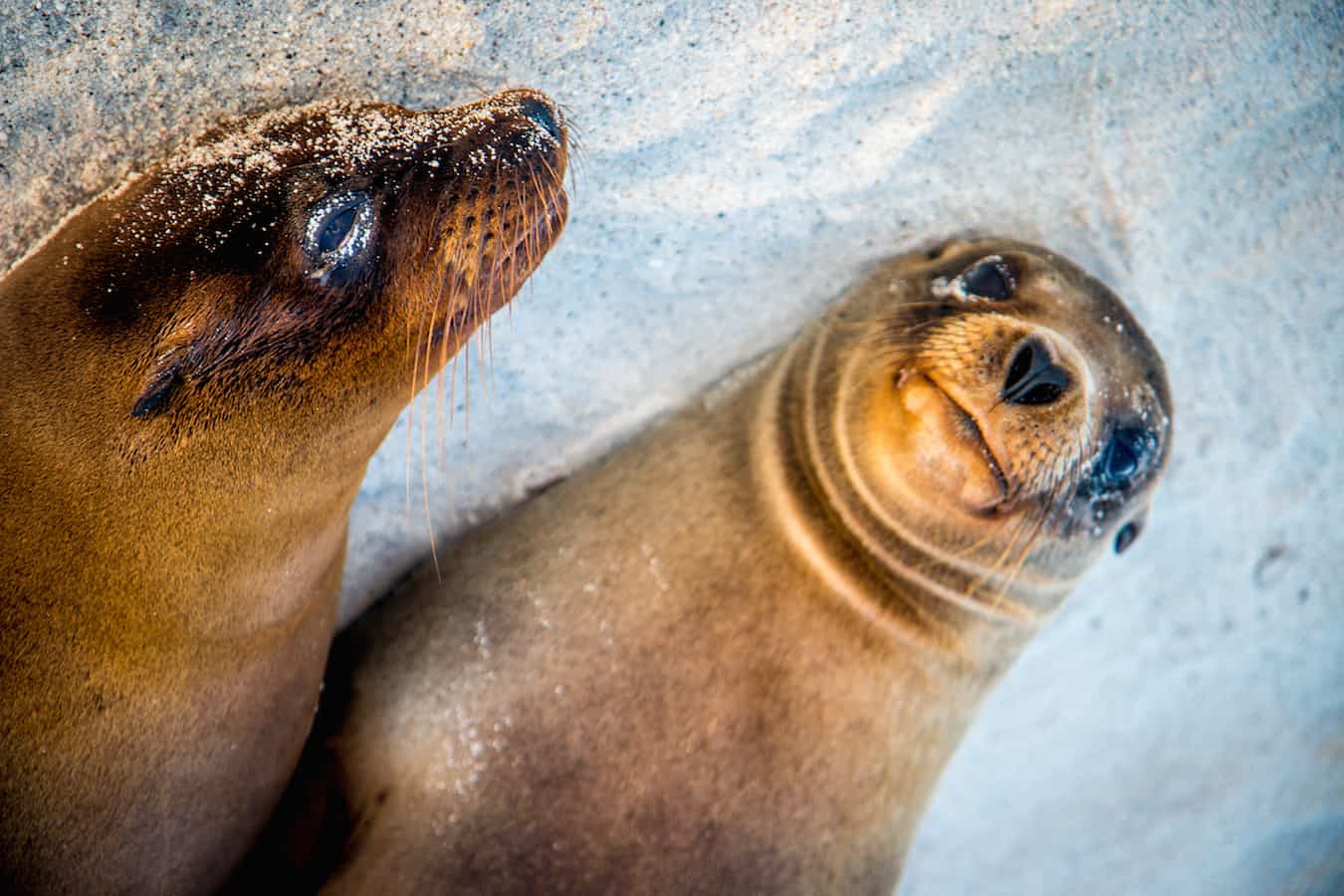
Galápagos sea lions bring energy and playfulness to the islands. They can be seen resting on beaches, sliding across rocks, or moving through the water with remarkable speed and grace. Young sea lions are especially entertaining, often appearing curious about visitors while adults remain nearby.
Their calls echo across sheltered bays and harbour areas, creating a soundscape that is distinctly Galápagos. A beach that seems empty from a distance may reveal itself to be occupied by dozens of sleeping sea lions, each stretched across the sand in a different position.
Snorkelling near them can be an unforgettable experience. In the water, sea lions twist, turn, and accelerate with effortless control. They seem to treat the ocean as a playground, inviting observers into a brief glimpse of their world.
Blue-Footed Boobies and Frigatebirds
Few birds are as instantly recognizable as the blue-footed booby. Its bright blue feet, striking eyes, and bold posture make it one of the most photographed birds in the archipelago. The vivid colour of its feet is related to its health and diet, and courtship displays often involve the bird lifting one foot after another in an amusing, almost ceremonial dance.
Frigatebirds, by contrast, are known for their enormous wings and the dramatic red throat pouches displayed by males during courtship. They soar above the islands with barely a movement, using ocean currents to remain aloft for long periods.
Together, these birds illustrate the variety of life found within the national park. Some species depend on the shore, others on open water, and others on the cliffs and highlands. Each occupies a distinct role in the island ecosystem.
A World Beneath the Waves
The Galápagos National Park includes not only the islands themselves but also a vast surrounding marine reserve. The ocean is an essential part of the archipelago’s identity. It carries nutrients, connects distant habitats, and supports animals that spend much of their lives away from land.
Below the surface, the experience changes completely. Volcanic formations descend into clear water, where sea turtles glide past reefs and schools of fish move in shimmering clouds. Penguins may dart through the water with astonishing speed, while rays pass quietly across the seafloor. In the right conditions, snorkellers may encounter reef sharks, playful sea lions, or marine iguanas diving for food.
The Galápagos penguin is especially remarkable because penguins are rarely associated with equatorial environments. Cool currents flowing through the archipelago create conditions that allow these small penguins to survive despite the islands’ tropical location. Their presence is a powerful example of how ocean currents shape life on land and in the sea.
The marine environment is also one of the areas most affected by human activity and changing climate conditions. Plastic pollution, overfishing, invasive species, warming waters, and changing food supplies all pose serious challenges. Protecting the Galápagos therefore requires more than preserving beaches and trails. It requires careful stewardship of the entire ocean surrounding the islands.
Charles Darwin and the Meaning of Galápagos
The Galápagos Islands are closely associated with Charles Darwin, who visited the archipelago in 1835 during the voyage of HMS Beagle. His observations of the islands’ plants, birds, and animals helped him develop ideas that later contributed to his theory of evolution by natural selection.
Darwin noticed that similar species differed from island to island. The finches, for example, possessed different beak shapes suited to different diets. The tortoises also varied in appearance, including the shape of their shells and the length of their necks. These differences suggested that species were not fixed and unchanging, but could gradually adapt to the environments in which they lived.
Today, the Galápagos continues to serve as a remarkable natural laboratory. Researchers study how species evolve, how ecosystems respond to change, and how conservation programs can protect fragile populations. The islands remind us that evolution is not an ancient event that ended in the distant past. It is an ongoing process, visible in the relationships between animals, plants, climate, and geography.
Islands of Contrast
Each island has its own character. Some are dry and covered in cacti, with sparse vegetation and intense sunlight. Others contain greener highlands where mist gathers around trees and plants. Some coastlines are shaped by tall cliffs, while others open onto broad beaches and protected lagoons.
Santa Cruz is known for its highlands, giant tortoise habitats, and the Charles Darwin Research Station. San Cristóbal offers coastal scenery, historic settlements, and important wildlife sites. Isabela, the largest island, contains several volcanoes and an impressive diversity of ecosystems. Fernandina is among the most pristine islands, with dramatic lava fields and abundant marine iguanas.
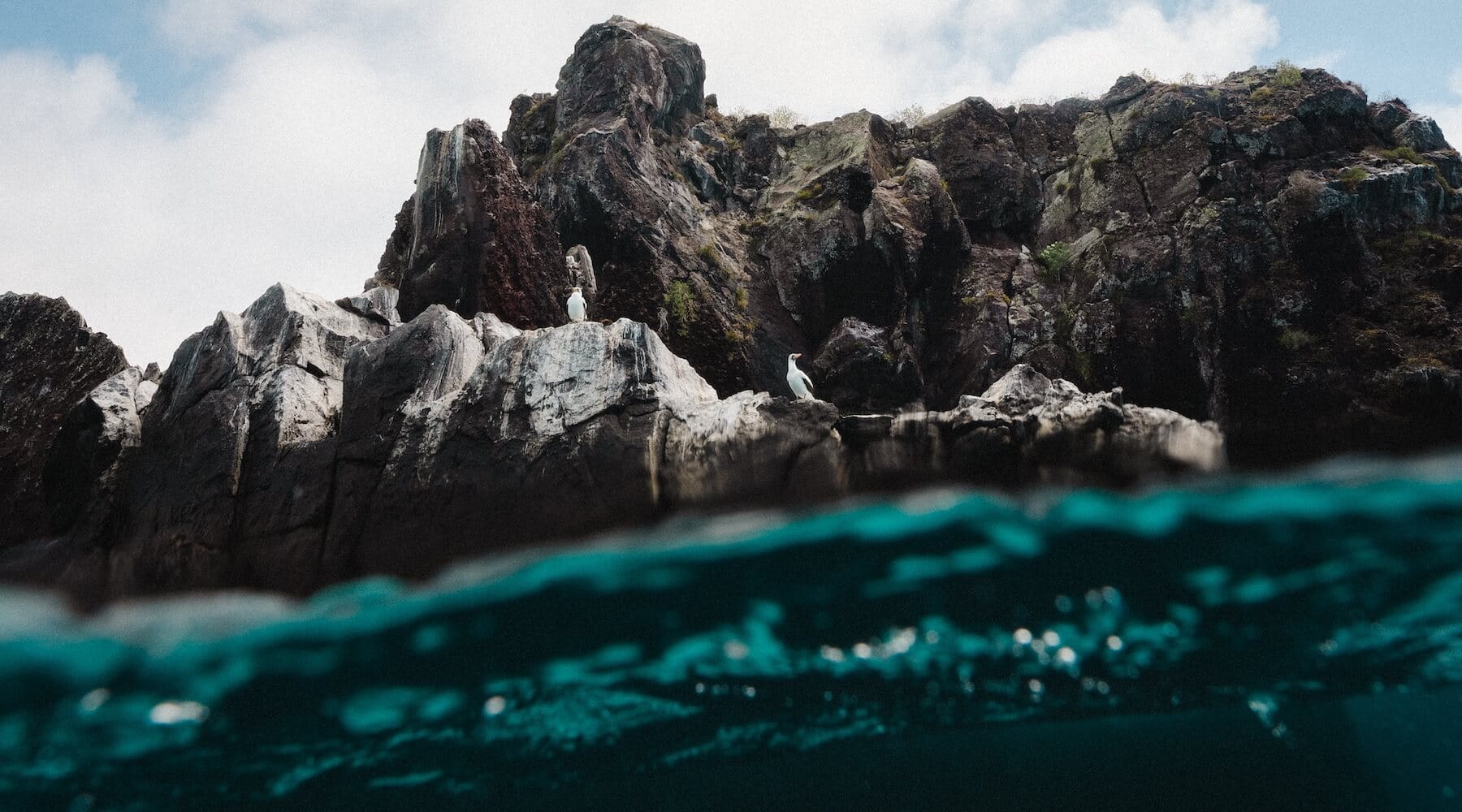
Travelling between the islands reveals how quickly the environment can change. A morning hike may lead through dry forest and cactus, while an afternoon boat ride arrives at a cool, green shoreline. The distance between two sites may be measured in only a few kilometres, yet the difference in wildlife and vegetation can feel enormous.
This variety is one of the reasons the Galápagos remains so scientifically important. Isolation has allowed different populations to develop in different directions, creating a collection of ecosystems that are close together geographically but distinct in character.
Conservation: Protecting a Fragile Paradise
Galápagos National Park was established to protect the islands’ unique environment and wildlife. Conservation in the archipelago is a continuous responsibility involving national authorities, scientists, local communities, guides, residents, and visitors.
One of the most serious threats to the islands is the introduction of invasive species. Plants, insects, rodents, and other organisms brought from outside can disrupt ecosystems that evolved in isolation. Native species may have no natural defence against new predators or competitors. Strict quarantine procedures and careful monitoring are therefore essential.
Tourism must also be managed responsibly. The Galápagos attracts visitors from around the world, and that interest provides important economic support for local communities and conservation efforts. At the same time, large numbers of visitors can place pressure on water supplies, waste systems, trails, wildlife sites, and marine habitats.
Responsible visitors can help protect the park by following marked trails, staying with authorized guides, avoiding single-use plastics, carrying out all waste, and keeping a respectful distance from animals. Even small choices matter in a place where ecological balance is so delicate.
The best kind of tourism in Galápagos is not passive consumption. It is participation in conservation through respect. Visitors should leave with more than photographs; they should leave with a deeper understanding of why the islands must be protected.
The Human Story of the Islands
Although the Galápagos often appears untouched, people have long been part of its history. The islands have been visited by sailors, explorers, fishermen, settlers, scientists, and conservationists. Today, towns such as Puerto Ayora, Puerto Baquerizo Moreno, and Puerto Villamil are home to communities whose lives are closely connected to the natural environment.
The relationship between residents and the national park is complex. Local communities depend on tourism, fishing, transportation, education, and conservation work. Protecting the islands requires cooperation between environmental priorities and the needs of the people who live there.
A sustainable future for Galápagos must therefore include local voices. Conservation is strongest when communities have meaningful opportunities to benefit from protecting their surroundings. Ecotourism, environmental education, responsible fisheries, and scientific partnerships all have a role to play.
The islands are not a museum or an empty wilderness. They are a living place where people and nature must coexist thoughtfully.
Visiting With Respect
A journey to Galápagos can be life-changing, but visitors should arrive prepared to travel differently. The park is not designed for careless exploration. Its rules are intended to protect the very qualities that make it extraordinary.
Visitors should avoid touching animals, even when the animals appear comfortable nearby. They should never feed wildlife, remove shells or stones, walk beyond designated paths, or bring plants, food, or untreated materials between islands. Snorkellers and divers should avoid standing on coral or chasing marine animals.
Photography is welcome, but it should never come before the welfare of the subject. The most meaningful photographs are often taken from a respectful distance, allowing the animal to behave naturally. A picture is a wonderful memory, but the preservation of the moment is more important than capturing it.
Galápagos teaches a simple lesson: the closer we come to wild places, the more carefully we must behave.
A Final Reflection
There is something deeply humbling about standing on a Galápagos beach while a sea lion sleeps nearby, a frigatebird glides overhead, and waves move across the black volcanic shore. The scene feels ancient, but it is not frozen in time. It is alive, changing, and vulnerable.
The islands reveal the remarkable creativity of nature. They show how life can adapt to scarcity, isolation, heat, salt, wind, and volcanic stone. They also reveal how quickly that balance can be threatened when outside pressures become too great.
Galápagos National Park is often described as a place of discovery, and that description is accurate. Visitors discover unfamiliar animals, dramatic landscapes, and the scientific history that changed humanity’s understanding of life. But they also discover something about responsibility. The islands ask us to look more closely, walk more lightly, and recognize that beauty is not something we own simply because we have travelled to see it.
The true gift of Galápagos is not only the memory of what we witnessed. It is the awareness that these remarkable islands belong to a much larger story—one shared by every species, every ocean current, and every generation that chooses to protect the natural world.
Photo Credits
- Galápagos Islands satellite image: European Space Agency / Wikimedia Commons
- Galápagos landscape image: Wikimedia Commons
- Giant tortoise and sea lion photographs: Green Global Travel
- Galápagos wildlife and coastline image: Much Better Adventures
- Coastal photograph: Waterlust
Image availability and licensing should be confirmed with the original source before commercial publication.