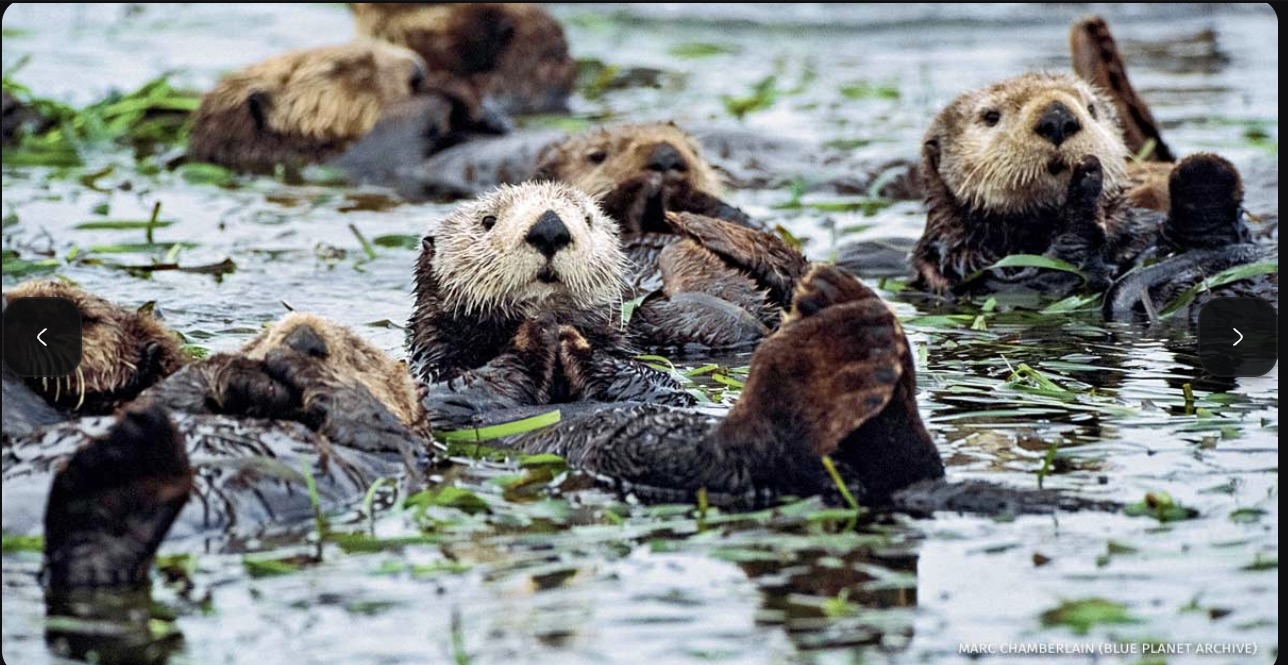
The loss of one species can alter food webs, reshape landscapes, and weaken the natural systems that support life.
Every species occupies a particular place in nature. Some pollinate plants, some disperse seeds, some recycle nutrients, and others control the populations of animals below them in the food chain. Even species that appear small or unfamiliar can perform important ecological work.
When a species disappears, the result is not always immediate or obvious. A forest may still look green. A river may still flow. A shoreline may still appear unchanged. Yet beneath the surface, relationships begin to shift. Predators may lose prey, plants may lose pollinators, herbivores may multiply, and habitats may gradually become less diverse and less stable.
The disappearance of a species is therefore more than the loss of a single kind of animal, plant, fungus, or microorganism. It can be the removal of one important connection from a living network.
Extinction and Local Disappearance
It is important to distinguish between extinction and local disappearance.
A species is considered extinct when no individuals remain anywhere in the world. The passenger pigeon, once one of North America’s most abundant birds, became extinct in the early twentieth century. The last known passenger pigeon, named Martha, died at the Cincinnati Zoo in 1914.
A species can also disappear from a particular region while surviving elsewhere. This is called local extinction, or extirpation. For example, a species may vanish from a forest because of habitat destruction, hunting, disease, pollution, or changing environmental conditions while continuing to live in other parts of its historic range.
Both forms of disappearance can have serious consequences. Local ecosystems depend on the species that live within them, not merely on the species that exist somewhere else.
Nature Is Built on Relationships
An ecosystem is not simply a collection of separate organisms. It is a system of relationships involving plants, animals, fungi, microorganisms, soil, water, climate, and physical geography.
A plant may depend on a particular insect for pollination. A tree may rely on birds or mammals to carry its seeds. A predator may prevent one herbivore from becoming too numerous. A beaver may alter the flow of water by building dams, creating wetlands used by fish, amphibians, birds, and insects.
When one species disappears, the effects depend on the role it played and on whether other organisms can perform the same function. Sometimes another species can fill the gap. In other cases, no replacement exists.
This is why the loss of a species can produce effects that extend far beyond its own population.
The Food Web Begins to Change
One of the most direct consequences of species loss is disruption to the food web.
A food chain describes a simple sequence of feeding relationships, such as grass being eaten by a grasshopper, which is eaten by a frog, which is eaten by a snake. Real ecosystems are more complicated. They contain food webs in which many species interact with one another.
If a predator disappears, the animals it once hunted may increase in number. As those populations grow, they may consume more vegetation, prey more heavily on smaller animals, or compete more intensely for food and territory.
If a prey species disappears, predators that depend heavily on it may decline. Some predators may switch to other prey, increasing pressure on different species. Others may be unable to survive in the area.
The consequences can continue moving through the food web in what ecologists often call a trophic cascade.
Sea Otters and Kelp Forests
Sea otters provide one of the clearest examples of how the loss of a predator can transform an entire ecosystem.
Sea otters eat sea urchins, which feed on kelp. Where sea otters are present, they help control sea urchin populations. This allows kelp forests to grow and provide habitat for fish, invertebrates, and many other marine organisms.
When sea otters are absent, sea urchin numbers can increase. Large numbers of urchins may consume kelp faster than it can recover, leaving behind areas sometimes described as “urchin barrens.” These areas support less habitat and generally contain fewer of the organisms associated with healthy kelp forests.
The sea otter’s importance does not come only from its role as a predator. By controlling sea urchins, it indirectly helps maintain a complex underwater environment.
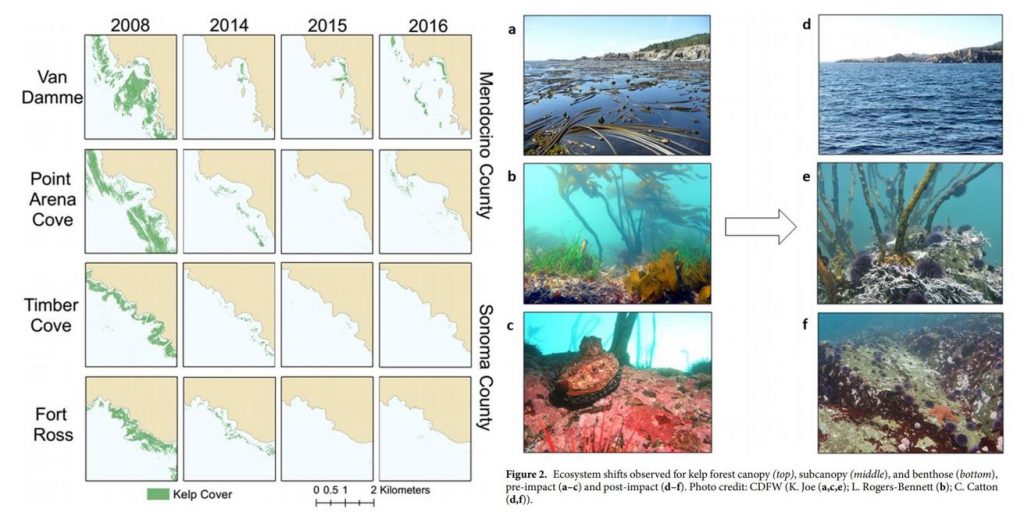 Kelp forests also have value for people. They support fisheries, protect coastlines from waves, and contribute to the productivity of coastal waters. When the balance between otters, urchins, and kelp is disturbed, both wildlife and human communities may be affected.
Pollinators and the Plants That Depend on Them
Some species disappear without attracting much public attention, yet their absence can affect food production and plant reproduction.
Bees, butterflies, moths, beetles, bats, birds, and other animals transfer pollen between flowers. This process allows many plants to produce seeds and fruit. Not every plant depends on animals for pollination, but a large number of flowering plants do.
If a pollinator declines or disappears, plants that rely heavily on that species may reproduce less successfully. Over time, their populations may shrink. The plants may then provide less food and shelter for other species, creating additional pressure throughout the ecosystem.
The effects are not always limited to wild plants. Agricultural crops can also depend on animal pollination. A reduction in pollinators can make food production more difficult, especially in regions where farmers rely on a small number of pollinating species.
Pollinators are also vulnerable to habitat loss, pesticides, parasites, disease, invasive species, and climate change. Their decline demonstrates how the disappearance of a relatively small animal can influence landscapes, agriculture, and human communities.
Seed Dispersers and the Future of Forests
Many plants cannot move their seeds on their own. They rely on animals to carry seeds away from the parent plant.
Birds may eat berries and later deposit the seeds elsewhere. Mammals may bury nuts that are never recovered. Large animals can transport seeds over long distances, sometimes across rivers, valleys, or open ground.
When seed-dispersing animals disappear, certain plants may struggle to spread. New trees may grow closer to parent trees, increasing competition for sunlight, water, and nutrients. Some seeds may never reach suitable habitat.
The long-term result can be a change in the composition of the forest. Trees that depend on particular animals may become less common, while species with other methods of reproduction may become more dominant.
This process can be slow. A forest may continue to contain mature trees for decades after the animals that once dispersed their seeds have disappeared. The true effects may become visible only when the older trees die and few young trees are available to replace them.
Keystone Species Have an Especially Large Influence
Some species have a disproportionately large effect on their environment compared with their abundance. These are often called keystone species.
The term does not mean that every keystone species is the largest or most powerful organism in an ecosystem. A keystone species may be a predator, herbivore, plant, engineer, or another organism whose activities shape the conditions around it.
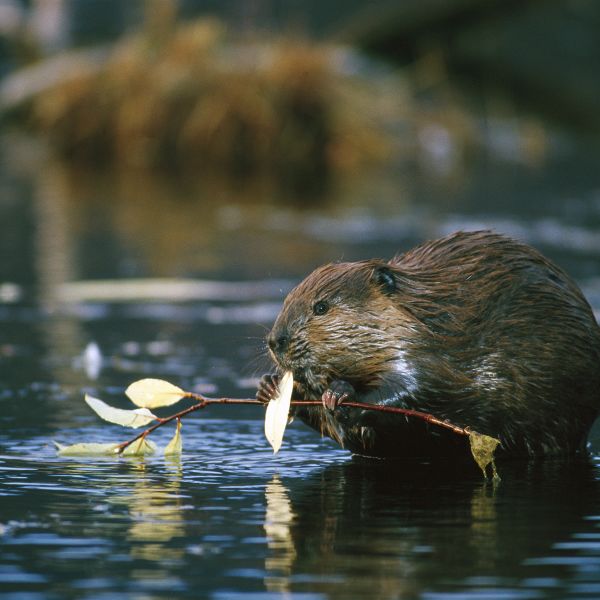
Sea otters are one example. Beavers are another.
Beavers build dams that slow moving water and create ponds and wetlands. These habitats can provide breeding areas for amphibians, food and shelter for birds, and living space for fish and aquatic invertebrates. Beaver wetlands can also hold water during dry periods and reduce the speed of water moving through a landscape.
If beavers disappear from a region, streams may become faster and narrower, wetlands may shrink, and the species that depend on those habitats may decline. The effects will vary from place to place, but the loss of the beaver’s ecosystem-building activity can change the physical landscape itself.
Predators Can Protect Biodiversity
Predators are often viewed only as threats to other animals, but they can also help maintain biodiversity.
A predator may prevent one herbivore or smaller predator from becoming overwhelmingly dominant. By controlling certain populations, predators can leave room for other species to survive.
The loss of a top predator can therefore create what scientists call a release effect. The predator’s prey may increase, placing greater pressure on vegetation or on smaller animals. The resulting changes can influence soil, water, vegetation, and even the physical shape of a habitat.
These effects are not identical in every ecosystem. A predator’s influence depends on climate, prey availability, habitat structure, disease, competition, and human activity. Nevertheless, the general principle is clear: removing a predator can alter far more than the number of animals it once hunted.
The Passenger Pigeon and the Changing Eastern Forest
The passenger pigeon illustrates how the disappearance of an extremely abundant species can remove an ecological force that once shaped an entire region.
Before its extinction, the passenger pigeon lived in enormous flocks across eastern North America. Historical accounts describe migrations involving vast numbers of birds. Their feeding, nesting, movement, and accumulation of droppings influenced forests and soil.
The species was hunted on a massive scale, and its populations collapsed rapidly during the nineteenth century. The last confirmed passenger pigeon died in captivity in 1914.
The disappearance of the passenger pigeon did not cause every change in eastern forests, and scientists continue to examine the species’ exact ecological influence. However, its extinction removed one of the most numerous birds from the continent and ended a set of interactions that had existed for thousands of years.
The passenger pigeon’s story also shows that abundance does not guarantee safety. A species can number in the millions and still become extinct when hunting, habitat change, and human pressure combine.
Disease Can Spread More Easily
Biodiversity can influence the spread of disease.
In some ecosystems, a variety of species interact with disease-carrying organisms such as ticks, mosquitoes, or other vectors. When habitat loss removes sensitive species while leaving more adaptable hosts, the remaining community may become more favorable to disease transmission.
This concept is sometimes associated with the dilution effect, although its importance varies depending on the disease, host species, environment, and local conditions. It would be inaccurate to claim that every species loss automatically causes more disease. However, changes in biodiversity can alter the number and behavior of hosts and vectors, which may affect disease risk.
The broader point is that healthy ecosystems can influence public health in ways that are not immediately visible.
Ecosystems Can Become Less Resilient
An ecosystem with many species may have more than one organism performing a similar ecological function. Several pollinators may visit the same plant. Several predators may hunt similar prey. Several plants may help stabilize soil.
This overlap can create ecological resilience. If one species declines, another may partially compensate.
However, resilience has limits. If many species are removed, or if the remaining organisms face several pressures at once, the ecosystem may become less able to recover from drought, fire, storms, disease, pollution, or temperature changes.
A diverse ecosystem is not invulnerable, but it may have more ways to respond to disturbance. The disappearance of species can reduce those options.
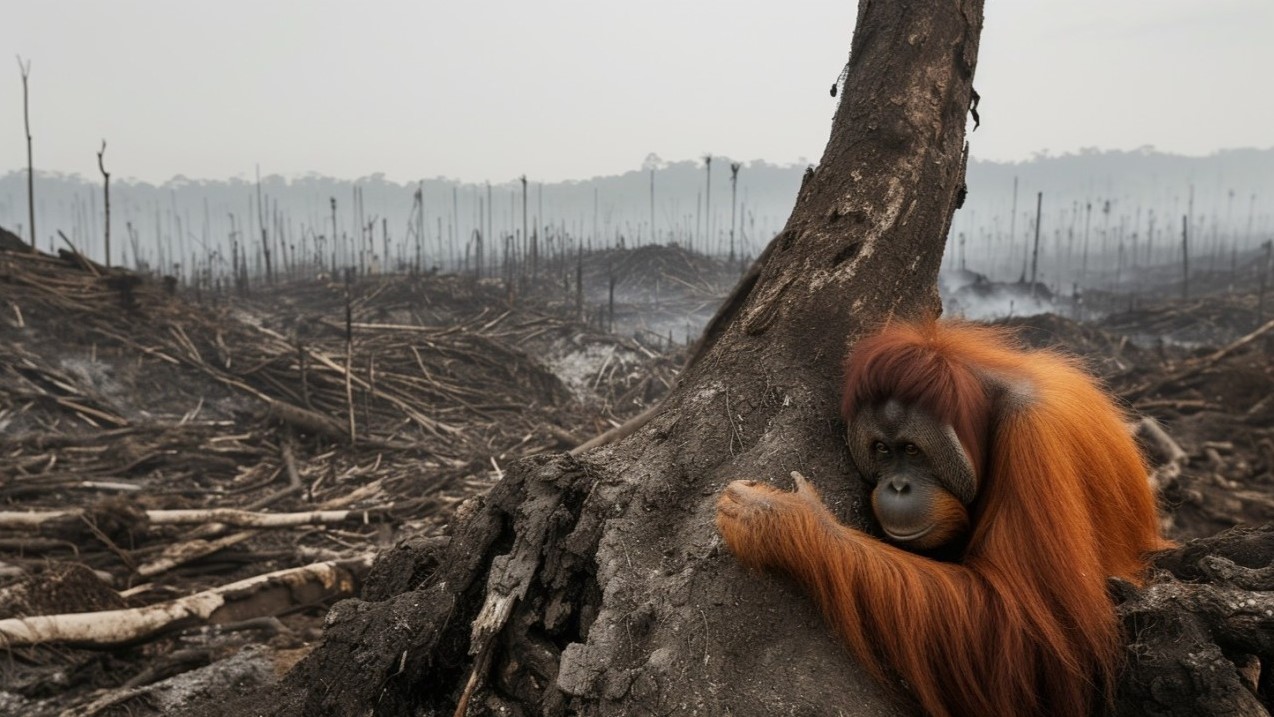
Extinction Can Affect Human Communities
People depend on ecosystems for food, clean water, fertile soil, pollination, materials, medicine, flood protection, and cultural meaning.
When species disappear, the benefits provided by nature may decline. The loss of fish can affect fishing communities. The loss of pollinators can affect farmers. The loss of coastal vegetation can increase exposure to storms and erosion. The loss of trees can change water cycles and increase soil loss.
Some effects are economic, while others are cultural or emotional. Communities may lose animals that are part of their traditions, stories, ceremonies, tourism economies, or local identity.
Species are not valuable only because they provide direct benefits to humans. Yet their disappearance can reveal how closely human well-being is connected to the natural world.
The First Disappearance Is Not Always the Last
Species loss can trigger what scientists sometimes call secondary extinctions. When one species disappears, another species that depends heavily on it may also become endangered or vanish.
For example, a parasite may depend on a particular host. A specialized insect may depend on one plant. A predator may depend on a specific prey species. If the host, plant, or prey disappears, the dependent organism may have nowhere else to live.
This creates a chain of vulnerability. The original disappearance may be caused by habitat destruction or hunting, while the later losses occur because ecological relationships have been broken.
Specialized species are often especially vulnerable because they have fewer alternatives. A generalist species may survive by changing its diet or habitat. A specialist may be unable to adapt quickly enough.
Extinction Is Often Difficult to Reverse
Once a species is extinct, conservation efforts cannot restore that exact population through ordinary means. Scientists may protect related species, restore habitats, or reintroduce populations from elsewhere, but the original genetic history and ecological relationships may be permanently lost.
Even when a species survives in captivity or in a small remnant population, recovery can be difficult. Small populations may face inbreeding, disease, low reproductive success, and limited genetic diversity.
Reintroduction can also be complicated. The habitat may have changed, prey may be absent, predators may have increased, or human communities may have developed in the species’ former range.
For these reasons, protecting species before they disappear is generally more effective than trying to restore them afterward.
Not Every Species Loss Causes Collapse
It is important to avoid exaggeration.
The disappearance of one species does not always destroy an ecosystem. Some species have overlapping ecological roles, and other organisms may compensate for their loss. Some ecosystems may change without collapsing. In other cases, the loss may be difficult to detect for years.
The impact depends on several factors:
- The species’ ecological role.
- The number of other species performing similar functions.
- The size and health of the population before its disappearance.
- The condition of the habitat.
- The presence of invasive species, pollution, disease, or climate stress.
- The dependence of other organisms on that species.
The most serious consequences usually occur when the lost species is highly connected to other organisms, performs a unique function, or is already part of an ecosystem under pressure.
What Conservation Can Do
Conservation does not mean preserving nature in one fixed condition. Ecosystems are always changing. The goal is to protect the diversity, relationships, and ecological processes that allow living communities to persist.
Important conservation measures include protecting habitat, restoring damaged ecosystems, reducing illegal hunting and trade, limiting pollution, controlling invasive species, supporting sustainable fisheries, improving agricultural practices, and reducing greenhouse-gas emissions.
Scientists also use captive breeding, seed banks, habitat corridors, reintroduction programs, and population monitoring. These efforts are most successful when they include local communities and respect the knowledge and rights of Indigenous peoples who have long cared for their environments.
Conservation is not only about saving individual animals. It is about maintaining the relationships that allow forests, rivers, grasslands, wetlands, and oceans to function.
A Disappearance We May Not Notice
The most unsettling part of species loss is that it may not look dramatic.
There may be no single moment when a forest changes color or a river stops moving. Instead, the change may appear as fewer birds in spring, fewer young trees in a woodland, fewer fish in a stream, or fewer insects around flowering plants.
A species may disappear quietly, one generation at a time. By the time people recognize its absence, the ecosystem may already have changed.
This is why scientists monitor populations, habitats, breeding patterns, migration routes, and genetic diversity. Early warning signs can reveal trouble before extinction occurs.
Conclusion: The Shape of Life Changes
When a species disappears, the world does not simply become less crowded. It becomes different.
A predator is no longer controlling its prey. A pollinator is no longer visiting certain flowers. A seed is no longer being carried to a distant patch of soil. A beaver dam is no longer slowing the water. A kelp forest is no longer protected from hungry urchins.
Each species is part of a larger pattern, and the loss of one thread can change the shape of the whole fabric.
The disappearance of a species is permanent, but the damage that leads to extinction is not always inevitable. Habitats can be protected. Populations can recover. Rivers can be restored, forests can regenerate, and threatened animals can sometimes return.
The most effective response is to understand the value of species before they are gone. In nature, every disappearance is also a warning: the health of an ecosystem depends not only on what remains, but on the relationships that hold everything together.