


















[et_pb_section fb_built=”1″ theme_builder_area=”post_content” _builder_version=”4.27.7″ _module_preset=”default”][et_pb_row _builder_version=”4.27.7″ _module_preset=”default” theme_builder_area=”post_content”][et_pb_column _builder_version=”4.27.7″ _module_preset=”default” type=”4_4″ theme_builder_area=”post_content”][et_pb_text _builder_version=”4.27.7″ _module_preset=”default” theme_builder_area=”post_content” hover_enabled=”0″ sticky_enabled=”0″]

There are places on Earth where silence feels alive.
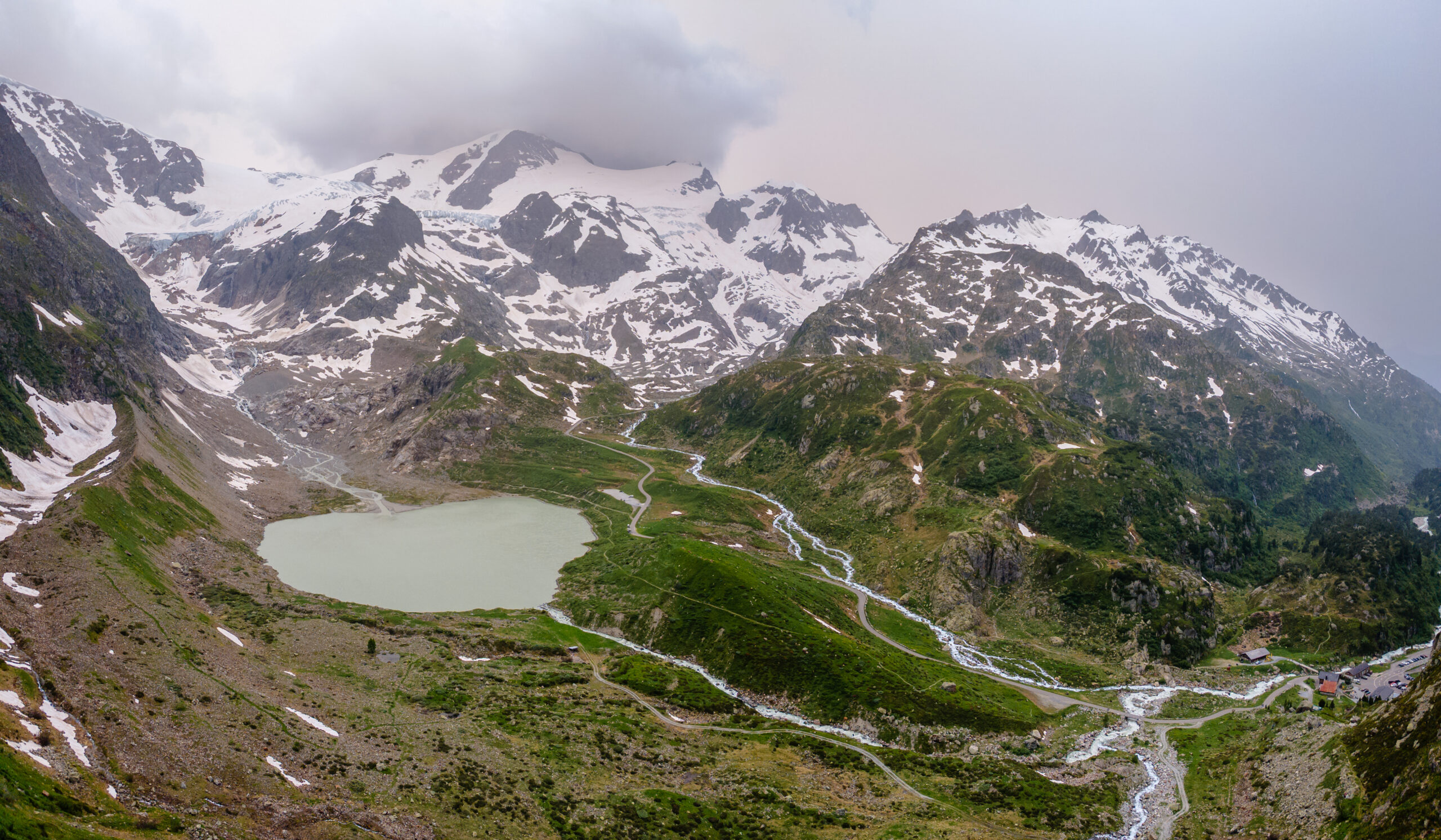
The Khamar Daban Mountains of southern Siberia rise above dense forests and cold rivers, stretching toward the shores of Lake Baikal. Even during the summer, the weather can turn without warning. Thick fog rolls over the ridges, temperatures plunge, while the wilderness becomes vast enough to make a person feel invisible.
In August 1993, that wilderness became the setting for one of the most puzzling hiking tragedies in modern history.
A goup of seven experienced hikers, led by veteran instructor Lyudmila Korovina, began what was expected to be a demanding but routine expedition across the mountain range. Korovina was a respected hiking leaderwith years of experience guiding young trekkers through some of Russia’s most challenging landscapes.
Nothing suggested that this particular journey would be different.
Only one member of the group would return.
Valentina Utochenko later told investigators that after several days on the trail, the group stopped on an exposed mountainside during worsening weather. Then, without warning , one of the hikers collapsed.
According to her testimony, the situation deteriorated rapidly.
Other members of the group became disoriented, collapsed, and died over a short period of time.
Alone in the mountains, Utochenko fled downhill, eventually taking shelter in the forest. After surviving several days by herself she would eventually find people who could help her.
When rescuers finally reached the campsite, they found the hikers where they had fallen. There was no evidence that they had ben attacked by anyone, and no signs of any type of struggle with wildlife. The mystery was not who had harmed them, but what had happened.
The official investigation concluded that the group had died from hypothermia. Severe weather, exhaustion, and exposure were believed to have played the central role in the tragedy. Medical examinations did not identify evidence of foul play.
Yet the case has continued to fascinate investigators and historians because some aspects remain difficult to explain with complete certainty. Utochenko’s description of the hikers final moments has led to decades of discussion.
Researchers have suggested that a combination of extreme cold, exhaustion, psychological stress, and the body’s response to rapidly developing hypothermia could explain the group’s behaviour.
Others have proposed natural medical events or environmental factors, although none of these theories have been proven.
Unlike many famous wilderness mysteries, the Khamar-Daban incident has a surviving eyewitness. Her account provides a rare glimpse into the final hours of the expedition, but it does not answer every question. Some details remain impossible to reconstruct with certainty.
More than thirty years later, the mountains remain exactly as they were that August, cold, remote, and indifferent to those who cross them.
The wind still sweeps across the same ridges.
The forest still blanket the valleys below, and somewhere among those peaks lies a story that science has explained only in part, leaving the rest to the silence of Khamar-Daban.
[/et_pb_text][/et_pb_column][/et_pb_row][/et_pb_section]