


















[et_pb_section fb_built=”1″ theme_builder_area=”post_content” _builder_version=”4.27.7″ _module_preset=”default”][et_pb_row _builder_version=”4.27.7″ _module_preset=”default” theme_builder_area=”post_content”][et_pb_column _builder_version=”4.27.7″ _module_preset=”default” type=”4_4″ theme_builder_area=”post_content”][et_pb_text _builder_version=”4.27.7″ _module_preset=”default” theme_builder_area=”post_content” hover_enabled=”0″ sticky_enabled=”0″]

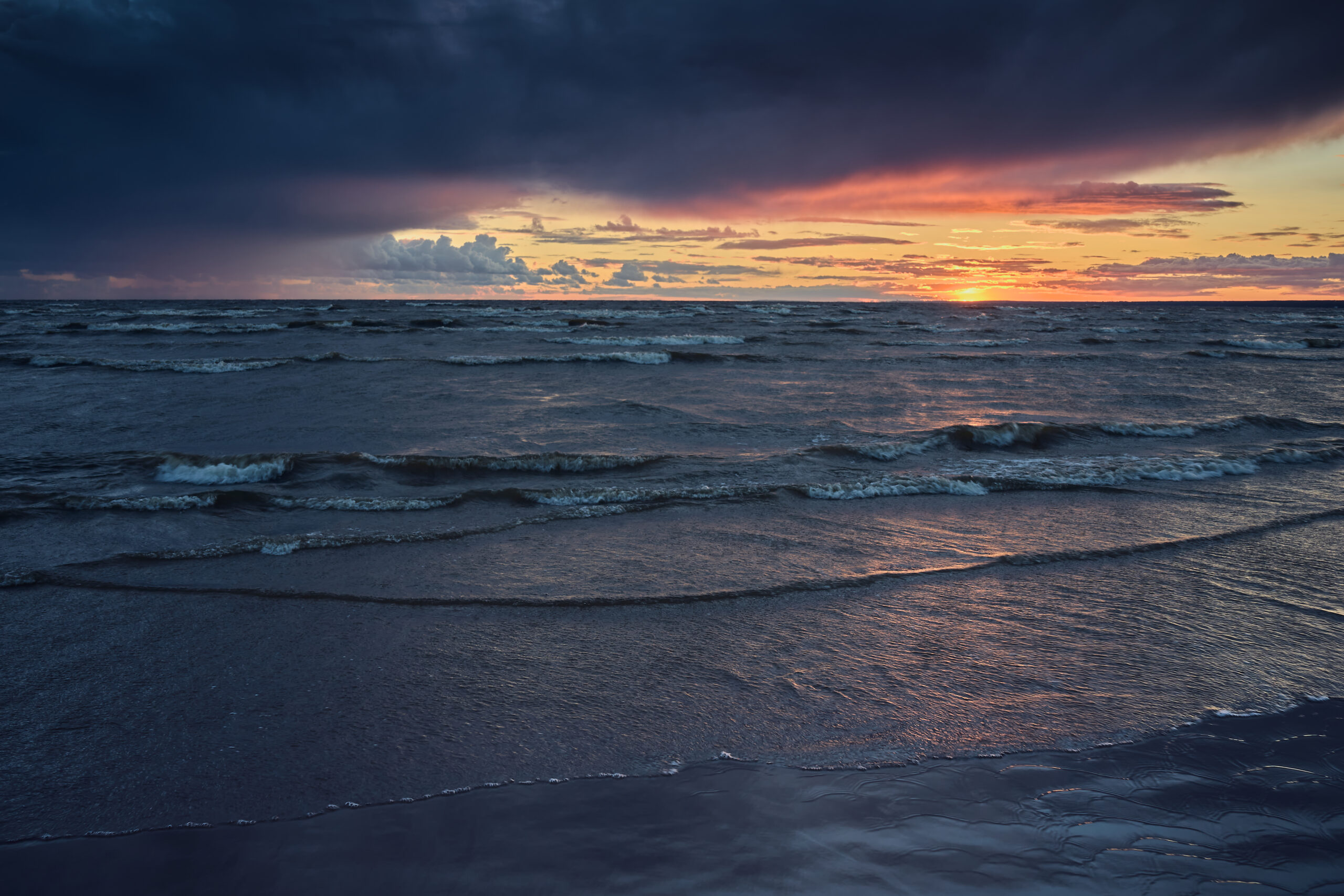
The sea was black.
Not the peaceful black of a calm winter night, instead it was the kind that swallows light entirely. Snow drifted sideways through the freezing wind, while sheets of ice floated across the Baltic Sea like silent ghosts.
Somewhere in that darkness, more than 10,000 people clung to a single ship.
Children slept on cold wooden floors. Mothers held infants wrapped in blankets while elderly refugees stared silently into the night, hoping the worst was behind them.
It wasn’t.
On January 30, 1945, the German pasenger liner Wilhelm Gustloff departed the port of Gotenhafen carrying thousands of civilians, wounded soldiers, and naval personnel fleeing the advancing Soviet Army during the final months of the Second World War.
Built to carry fewer than 2,000 passengers, the ship was dangerously overcrowded.
The Baltic was already a deadly place.
The temperature hovered well below freezing, and the water was cold enough to kill within minutes.
Then, just after 9 pm, disater struck.
A Soviet submarine, S-13, had found its target.
Without warning, three torpedoes slammed into the ship’s side.
The first tore through the bow.
The second devastated areas where many women serving in the naval auxiliary were sleeping.
The third crippled the engine room, cutting power and plunging much of the ship into darkness.
Panic spread faster than the icy wind.
People scrambled toward the lifeboats, but many were frozen solid to their davits and couldn’t be lowered. Others crashed into the ship’s side or overturned as desperate passengers fought for a place.
Within minutes, the decks became sheets of ice covered with terrified people slipping, falling, or calling out for loved ones who had vanished into the chaos.
Then the ship began to list.
The angle grew steeper with every passing minute.
Some passengers jumped into the sea, choosing the freezing water over being trapped inside the sinking vessel. Others remained aboard, hoping for rescue that would never come in time.
Just over an hour after the torpedoes struck, the Wilhelm Gustloff disappeared beneath the Baltic Sea.
The screams slowly faded.
The freezing water did the rest.
Thousands died from hypothermia before rescue ships could reach them. Others were trapped inside the vessel as it descended into the darkness of the sea floor.
Historians estimate that around 9,000 people lost their lives that night, making it the deadliest maritime disaster in recorded history, which surpasses the loss of life aboard the Titanic by far.
Today, the wreck lies deep beneath the Baltic Sea. It is considered a protected war grave, and divers are forbidden from disturbing it.
Resting silently on the seabed, are the remains of thousands who never reached safety.
There are no towering monuments visible from shore.
No bustling tourist attraction.
Only cold, dark water stretching to the horizon.
Beneath those waves lies a ship that became the final refuge for thousands of souls, and a reminder that some of history’s greatest tragedies unfolded far from the world’s attention, hidden beneath the silence of the sea.
[/et_pb_text][/et_pb_column][/et_pb_row][/et_pb_section]