



















[et_pb_section fb_built=”1″ theme_builder_area=”post_content” _builder_version=”4.27.7″ _module_preset=”default”][et_pb_row _builder_version=”4.27.7″ _module_preset=”default” theme_builder_area=”post_content”][et_pb_column _builder_version=”4.27.7″ _module_preset=”default” type=”4_4″ theme_builder_area=”post_content”][et_pb_text _builder_version=”4.27.7″ _module_preset=”default” theme_builder_area=”post_content” hover_enabled=”0″ sticky_enabled=”0″]

THE GHOST SHIP THAT DEFIED EXPLANATION
The Atlantic Ocean has always guarded its secrets.
Some lie beneath thousands of meters of black water. Others drift silently across its surface, waiting to be discovered.
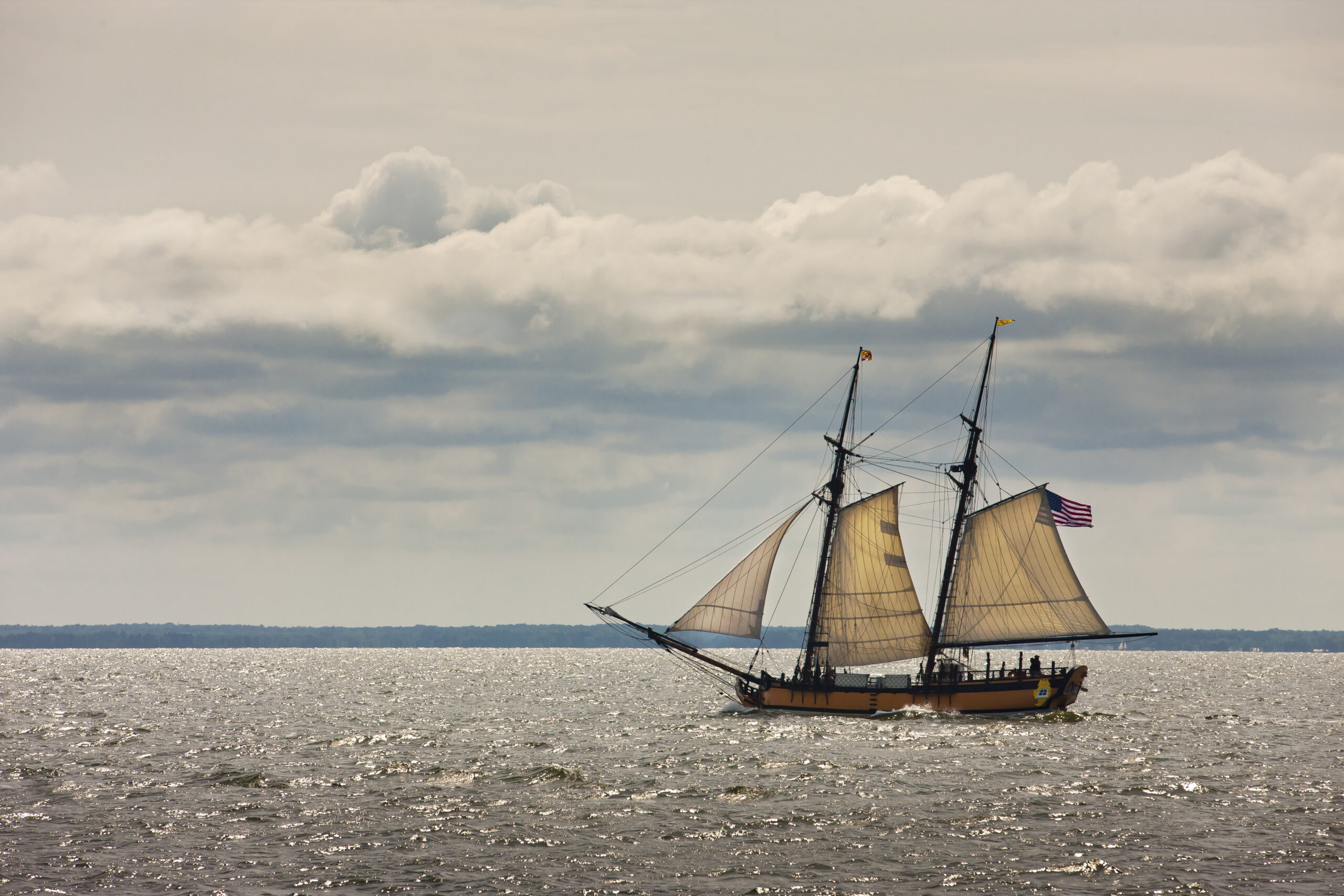
On the morning of December 5, 1872, the crew of the British brig Dei Gratia spotted a ship wandering aimlessly between the Azores and the coast of Portugal. Her sails were damaged but still catching the wind. She showed no distress signal, and no one stood at the helm.
As the sailors drew closer, they recognized the vessel.
It was the Mary Celeste.
Captain David Morehouse ordered a boarding party. The men climbed aboard expecting to find injured sailors, or perhapos bodies.
Instead…
They found silence.
The ship was eerily empty.
Not a single member of the crew remained.
Captain Benjamin Briggs, his wife Sarah, their two year old daughter Sophia, and the seven crew members had vanished without a trace.
There were no signals of violence, no blood stained the deck, not even evidence of a struggle.
More than 1,700 barrels of industrial alcohol was almost entirely untouched. The crew’s personal belongings remained in their cabins. Clothing hung neatly where it had been left. The captain’s sword was still in its place.
Even stranger, the ship carried enough food and fresh water to last for months.
It was as if everyone had simply walked away.
The only major item missing was the ship’s lifeboat.
The last entry in the captain’s log had been written about ten days earlier, placing the Mary Celeste near Santa Maria Island in the Azores. Yet when she was found, she has drifted hundreds of kilometers father east.
What happened during those missing days has become one of history’s greatest maritime mysteries.
Investigators searched for answers.
Was it piracy?
Highly unlikely, pirates would have taken valuables, yet money and cargo remained untouched.
Mutiny?, There was no evidence of conflict, and Captain Briggs was known as an experienced and respected seaman.
A sea monster?, An entertaining legend, but no evidence to support it.
Some suggested that fumes from the alcohol cargo may have frightened the captain into believing an explosion was imminent. Several barrels were later found empty, likely due to leaking or evaporation.
Briggs may have ordered everyone into the lifeboat while the ship was temporarily ventilated.
But if that were true, why wasn’t the lifeboat recovered?
Why would an experienced captain abandon a seaworthy ship carrying enough supplies to survive.
Others point to rough weather or a watersprout that may have damaged the towing line connecting the lifeboat to the ship. If the line snapped, the Mary Celeste could have drifted away, leaving those in the lifeboat stranded in the open Atlantic.
It is one of the most plausible explanations.
Yet there is no proof.
No wreckage from the lifeboat has ever been conclusively identified.
No human remains were ever found.
No final message was ever discovered.
Over 150 years later, the Mary Celeste continues to haunt maritime history. It has inspired countless books, documentaries, and theories ranging from natural disasters to paranormal encounters and extraterrestrial visitors. But the historical evidence supports none of the more sensational claims.
The truth is both simpler and perhaps more unsettling.
Nine people disappeared into one of the world’s largest oceans.
No one saw them leave.
No one knows where they went.
The sea kept its secret.
An the Mary Celeste sailed on alone.
[/et_pb_text][/et_pb_column][/et_pb_row][/et_pb_section]














Great content
5