


















[et_pb_section fb_built=”1″ theme_builder_area=”post_content” _builder_version=”4.27.7″ _module_preset=”default”][et_pb_row _builder_version=”4.27.7″ _module_preset=”default” theme_builder_area=”post_content”][et_pb_column _builder_version=”4.27.7″ _module_preset=”default” type=”4_4″ theme_builder_area=”post_content”][et_pb_text _builder_version=”4.27.7″ _module_preset=”default” theme_builder_area=”post_content” hover_enabled=”0″ sticky_enabled=”0″]

There are places on a map that sound less like destinations and more like omens.
Headless Valley, in Nahanni National Park Reserve in the Northwest Territories, is one of them.
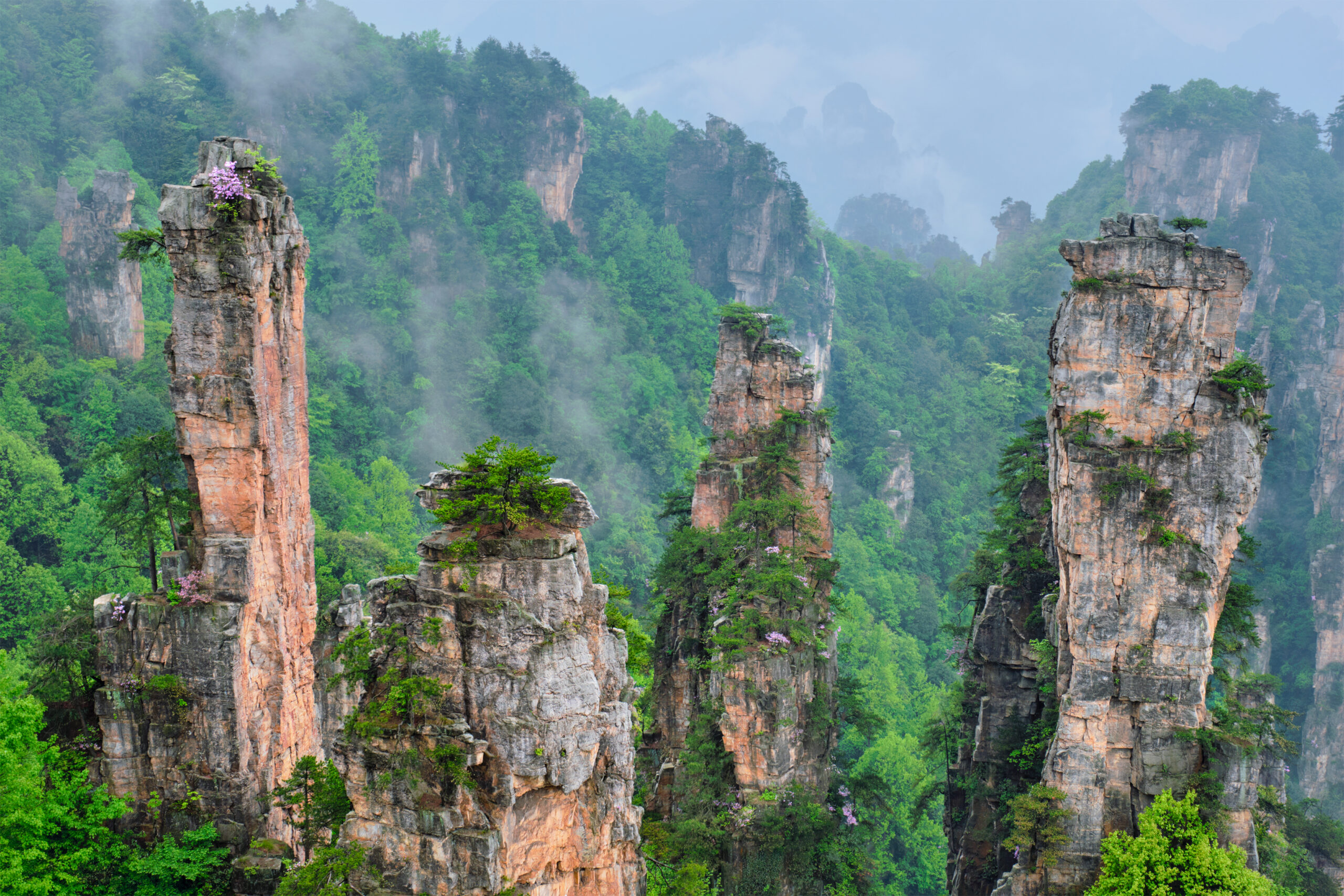
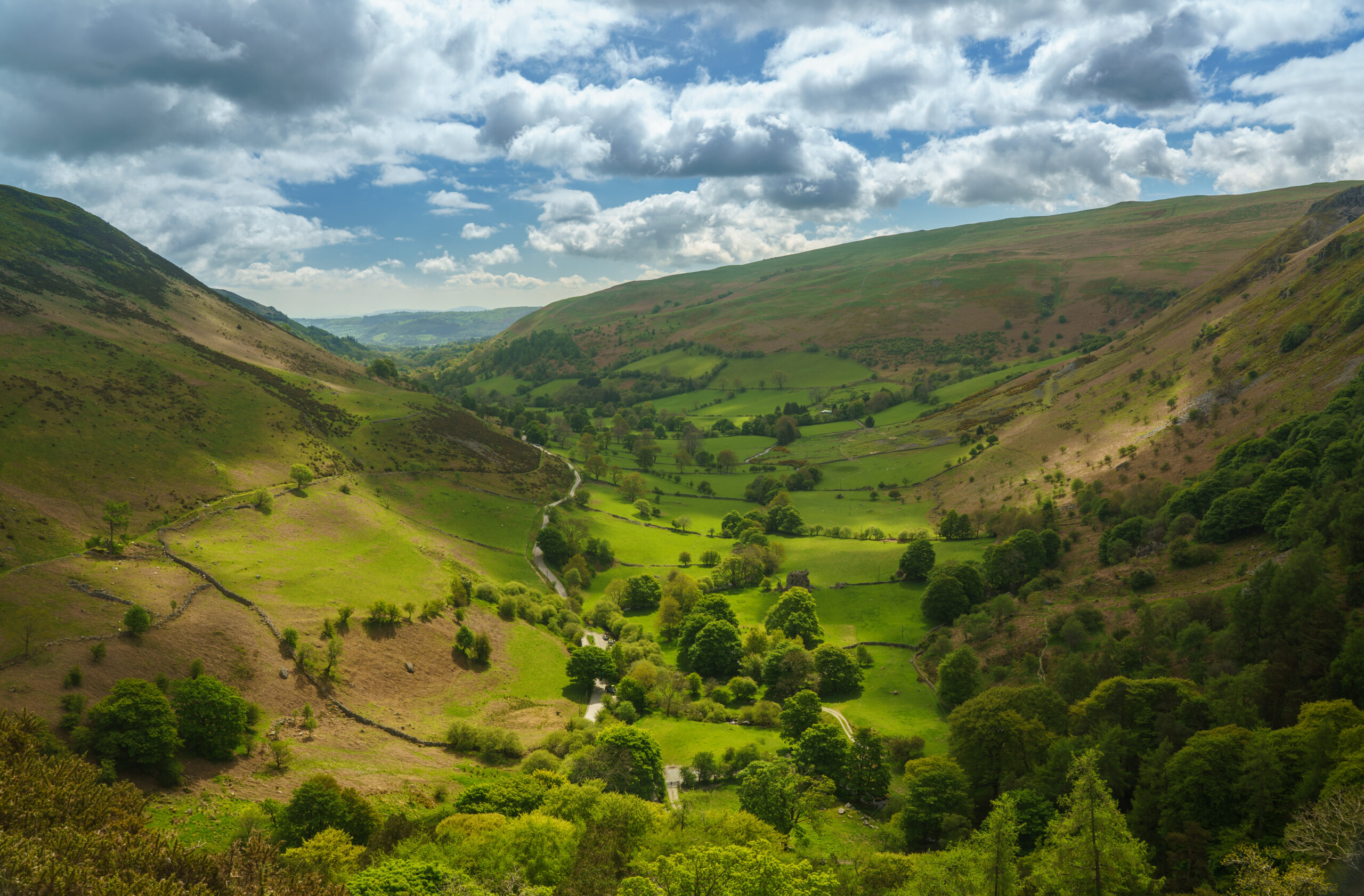
Even the name feels wrong in the mouth, as if saying it too clearly might wake something in the trees. It belongs to a stretch of wilderness that is beautiful in the harsh, northern way beauty often is, river-cut canyons, dark forest, steep slopes, cold air, and a kind of silence that feels larger than sound. It is the sort of place that makes a person small almost immediately. Not in a peaceful way, either but in the way that reminds you how thin human life is when measured against stone, weather, and distance.
The legend of Headless Valley did not begin with one single incident. It grew the way old wilderness stories often do, from loss, fear, rumor, and the strange things that happen when people go into remote country and do not come back the same, or do not come back at all.
Prospectors and trappers came through the Nahanni region in the late nineteenth and early twentieth centuries, drawn by the promise of gold and the old fantasy that the land could be taken, and profited from.
Some vanished and some were found dead. Some stories spoke of bodies discovered in broken condition, of heads missing, of camps abandoned in haste, of men who seemed to have been erased by the valley rather than merely killed by it. Whether every detail survived the years in exact form is difficult to prove. But the legend didn’t need perfection to survive, it had enough truth in it already, this was a place where people disappeared.
And in the wilderness, disappearance is its own kind of terror.
Because a person can vanish here without drama. The river can take a body downstream and never give it back, a storm can cover tracks in an hour, and a slip on a wet slope can turn into a story no one finishes.
In a remote valley, the difference between a journey and a tragedy can be almost invisible from the outside. That is what makes Headless Valley linger in the imagination. It doesn’t need monsters. The land itself is monstrous in large.
The Nahanni region is also a place where the line between reality and folklore has always been thin. Indigenous peoples have lived with and understood this country long before the outside world gave it a legendary name. Their relationship to the land is older, deeper, and more grounded than the outsider myths that later grew around it. But when settlers and adventurers arrived, carrying their ambitions and their ignorance, they encountered a wilderness that did not care what they hoped to find there.
That indifference can feel like haunting, not because the valley is evil, but because it does not care who enters it, it does not soften itself for human fear, water still runs black and cold through deep channels, wind still moves through the ridges, and the forest still closes over what is left behind. A person looking at the valley from the wrong angle can imagine they are being watched, when really it is only the age of the place pressing back against them.
That’s the thing about Headless Valley, it works as a story because it looks like a story already.
Over time, the name “Headless Valley” became a symbol of all the things people fear about the North, isolation, exposure, and the possibility that nature can erase you with no explanation.
The more people repeated the stories, the more the valley seemed to darken around them.
But the real horror is more grounded than the legend suggests.
It is the knowledge that in a place like Nahanni, help is far away, and the trails are unreliable. The terrain is unforgiving, the weather can change fast enough to turn confidence into panic. There is no city noise to remind you that other people exist nearby.
That is what gives Headless Valley its power. Not just the mystery, but the mood. It’s the uneasy feeling that something is wrong long before anyone can say what it is.
Today, Nahanni National Park Reserve is known for its extraordinary natural beauty, and rightly so. It is one of Canada’s most remarkable wild places. But the old name still hangs over part of the region like a cautionary tale. Headless Valley remains one of those rare names that never quite became ordinary. It still sounds like a place where history left blood in the snow and never cleaned it up.
Maybe that is why people still talk about it.
Because deep down, we are drawn to places that frighten us. We want to stand at the edge of the unknown and see whether it looks as terrible as the stories say. Sometimes it does. Sometimes it looks worse.
Headless Valley is one of those places.
Beautiful. Remote. Unforgiving.
And if the old stories are to be believed, not everyone who entered it made their way back into the world.
[/et_pb_text][/et_pb_column][/et_pb_row][/et_pb_section]