


















[et_pb_section fb_built=”1″ theme_builder_area=”post_content” _builder_version=”4.27.7″ _module_preset=”default”][et_pb_row _builder_version=”4.27.7″ _module_preset=”default” theme_builder_area=”post_content”][et_pb_column _builder_version=”4.27.7″ _module_preset=”default” type=”4_4″ theme_builder_area=”post_content”][et_pb_text _builder_version=”4.27.7″ _module_preset=”default” theme_builder_area=”post_content” hover_enabled=”0″ sticky_enabled=”0″]

There are places where the earth keeps secrets too well.
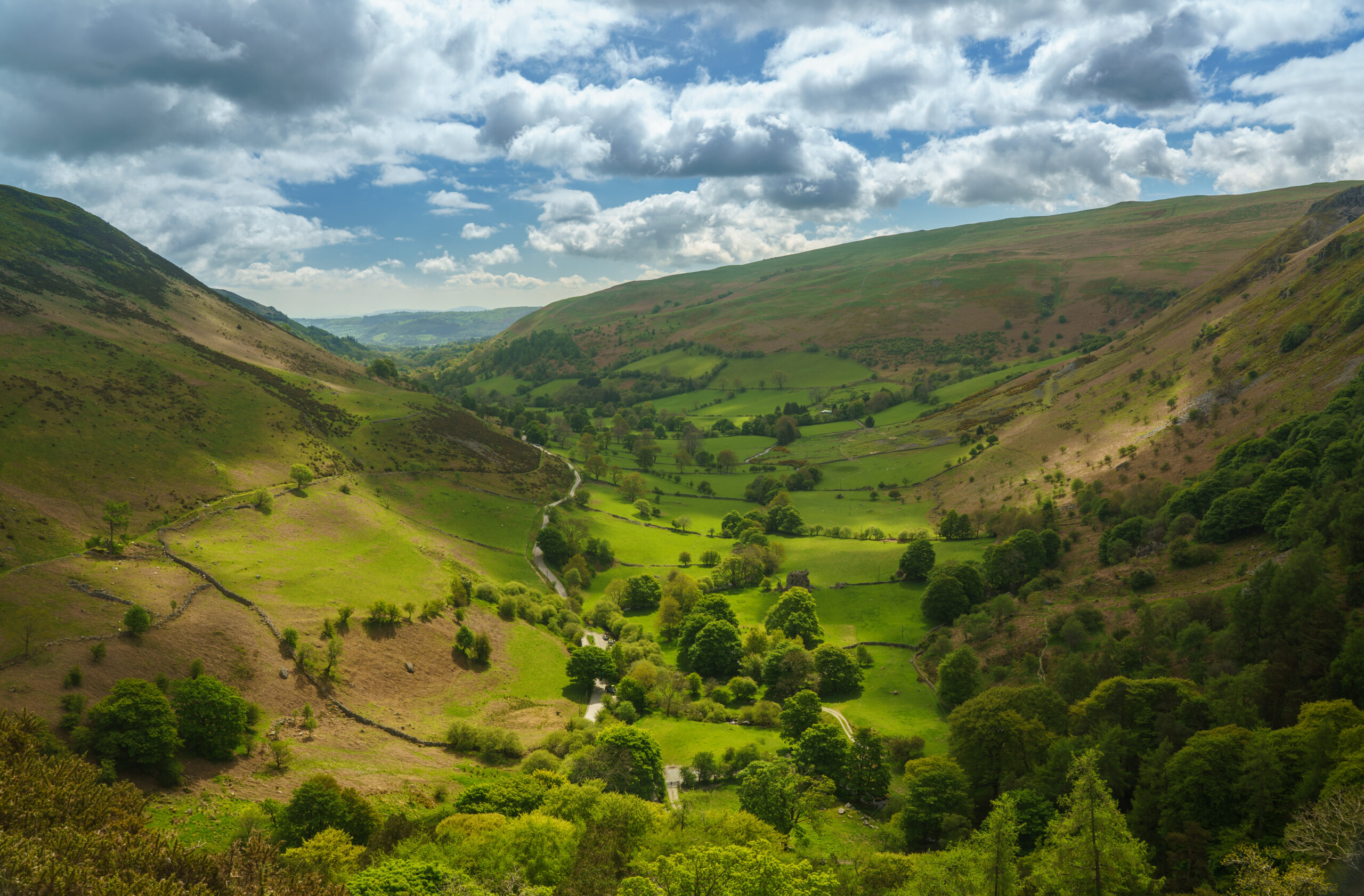
In the hills outside Santiago, in a rural corner of Chile called Lonquén, the landscape looks almost gentle at first glance. Dry fields. Open sky. Quiet roads. The kind of place where the wind seems louder than the world. But in the late 1970s, this silence held something terrible — the story of fifteen men who had vanished years earlier, leaving behind families trapped in grief, rumors, and unanswered questions.
They were not soldiers. They were not fugitives. They were ordinary working men from the village of Isla de Maipo, most of them peasants and laborers, taken in the aftermath of the 1973 military coup in Chile. In the chaos that followed the overthrow of Salvador Allende, thousands of people were arrested, tortured, imprisoned, or disappeared. Families searched, asked questions, filed reports, and waited for doors to open that never did.
That is the unique horror of disappearance: it does not end. It lingers.
A body gives grief a shape. A disappearance does the opposite. It leaves the mind suspended between hope and dread, unable to fully bury the dead because no death has been confirmed. It turns every knock at the door into a possible answer and every passing year into another layer of absence.
For the families of the men from Lonquén, that uncertainty lasted nearly five years.
Then, in 1978, a shepherd made a discovery that shattered the silence.
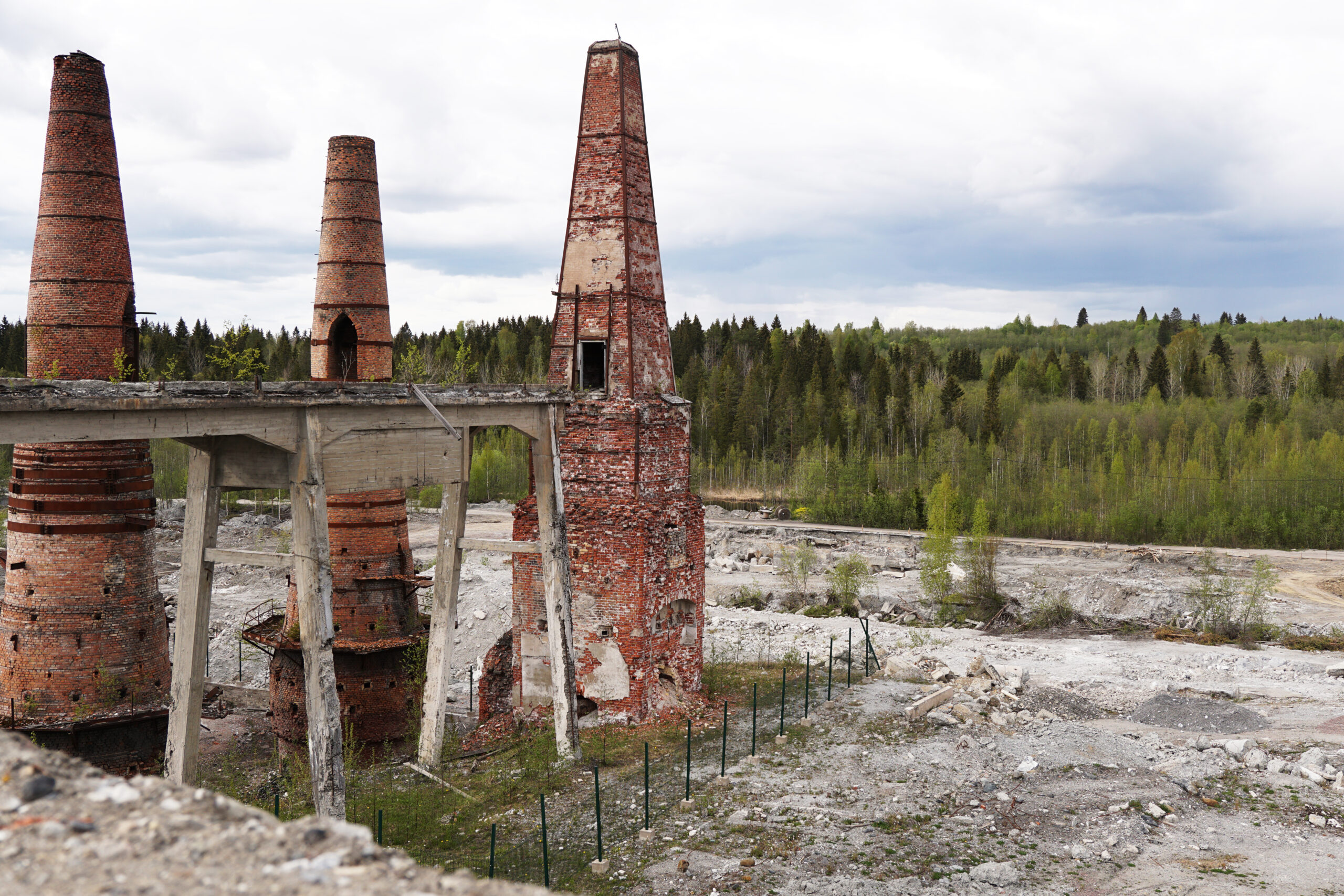
Inside abandoned lime ovens in Lonquén, the remains of fifteen men were found. Hidden in the earth and stone, their bodies had been concealed for years. The discovery confirmed what their families had feared, but it also exposed something even darker: the machinery of disappearance itself, the deliberate attempt to erase people not only from life, but from memory.
The details are haunting because they are so ordinary in the middle of the horror. A rural site. Old ovens. Bones in the dark. A place built for industry turned into a grave. There is no theatrical monster here, only human hands, human cruelty, and a state willing to make people vanish.
Chile’s dictatorship era left behind many such absences. The disappeared became a scar across the country, people arrested and never seen again, families forced to search through prisons, morgues, military offices, and empty promises. The political violence of the time was not only in the arrests and killings. It was in the uncertainty, the waiting, the unbearable not-knowing.
The Lonquén case became important because it was one of the first major discoveries to bring the crime of forced disappearance into public view in Chile. It showed that the missing were not gone by accident. They had been taken, hidden, and denied. Their absence was not mystery. It was design.
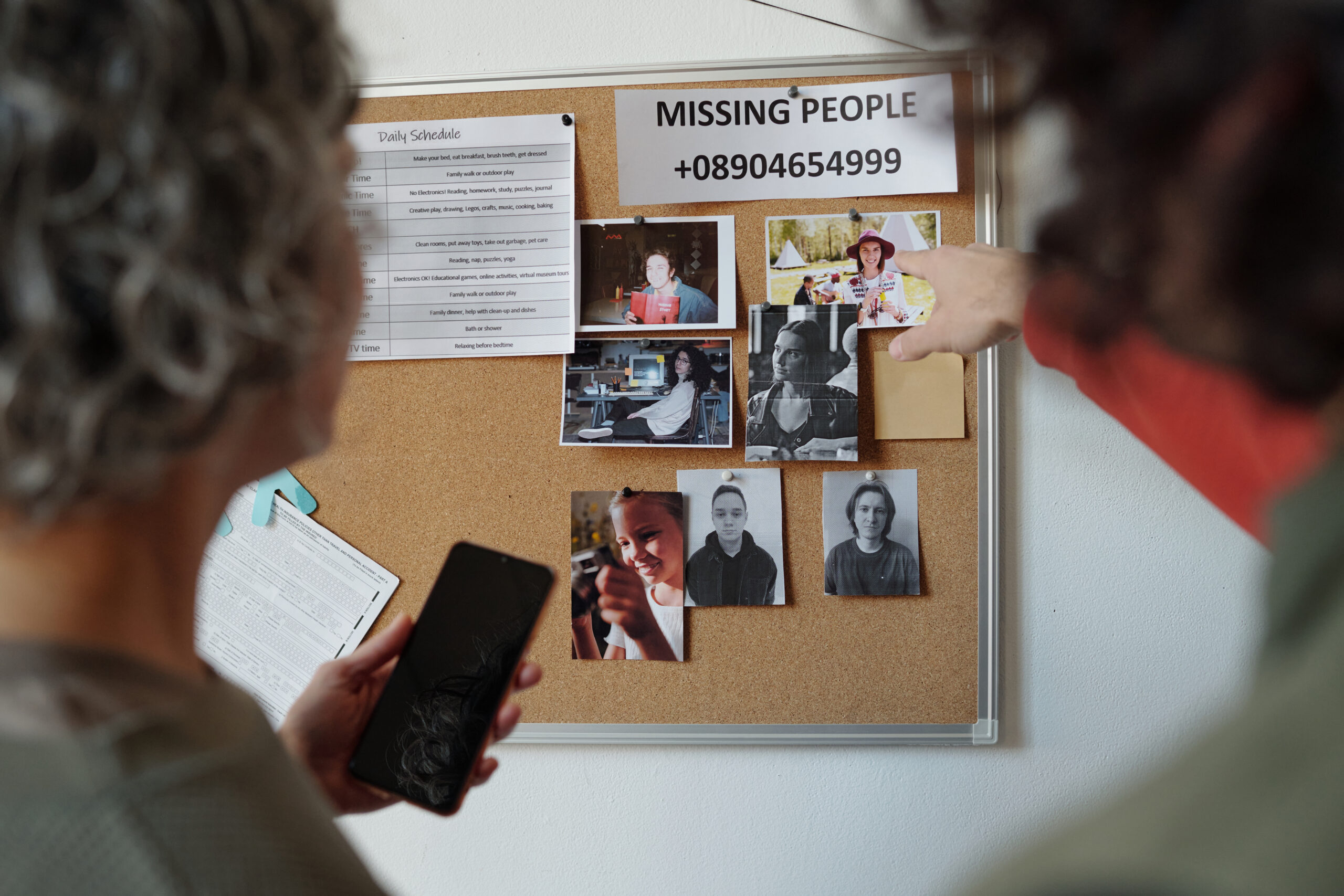
And that is what makes the story so cinematic, and so devastating. Not just the image of the ovens in the dusty hills, but the emotional landscape around them: mothers carrying photographs, families repeating names into the void, a country learning that silence can be manufactured as carefully as violence.
The missing do not disappear only from roads and homes. They disappear from records, from public language, from the official story. That is why their return, even in death, was so important. It broke the spell. It forced the truth into the open.
But truth does not undo loss.
Long after the discovery, the families of the men from Lonquén remained marked by the years they spent searching. Five years of not knowing. Five years of imagining that maybe a son, husband, father, or brother might walk through the door after all. Five years of living in a country where answers were dangerous and grief had to survive in hiding.
That is the deepest horror in stories like this one. It is not only that people were taken. It is that the living were made to wait inside the wound.
Chile still carries the memory of its disappeared. Their names are spoken in commemorations, in justice movements, in family histories, and in the ongoing work of remembrance. Lonquén is one place among many, but it remains a terrible symbol proof that even when power tries to bury the truth, the ground does not always keep it.
Eventually, the earth gives back what it was forced to hold.
And when it does, the silence sounds different.
Not empty. Not peaceful. Just finally broken.
[/et_pb_text][/et_pb_column][/et_pb_row][/et_pb_section]