


















[et_pb_section fb_built=”1″ theme_builder_area=”post_content” _builder_version=”4.27.7″ _module_preset=”default”][et_pb_row _builder_version=”4.27.7″ _module_preset=”default” theme_builder_area=”post_content”][et_pb_column _builder_version=”4.27.7″ _module_preset=”default” type=”4_4″ theme_builder_area=”post_content”][et_pb_text _builder_version=”4.27.7″ _module_preset=”default” theme_builder_area=”post_content” hover_enabled=”0″ sticky_enabled=”0″]

At first, the people of Armero did what people always do when the earth begins to warn them, they tried to live through it.
The town sat in Colombia’s Tolima department, surrounded by fertile land and the kind of beauty that makes danger seem impossible. It was a place of farms, churches, schoolyards, and ordinary routines. Families worked, children played, merchants opened their shops, and the day moved forward under a sky that, for a while, looked no different from any other.
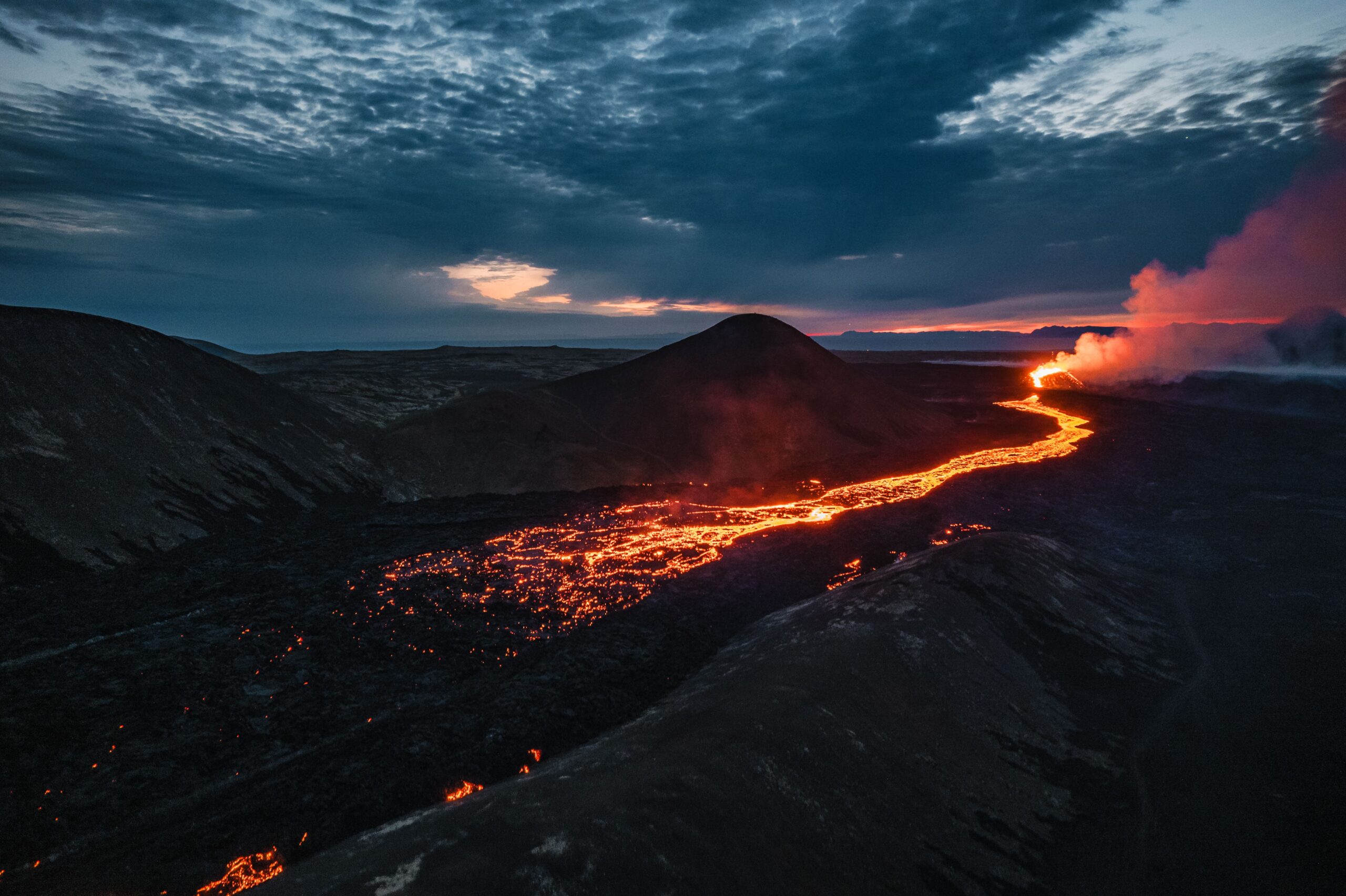
But nearby, the Nevado del Ruiz volcano had been stirring.
For months, there had been signs. Ash. Rumbling. Concern. The mountain was alive in the slow, terrible way volcanoes are alive, not with personality but with pressure.
Scientists and authorities knew there was a risk. People heard the warnings. Some listened. Many did not know how to make sense of them. After all, warnings are difficult to obey when nothing visible is happening yet. The earth does not always announce its intentions clearly.
Then came the eruption on November 13, 1985.
It was not the largest volcanic eruption in history, but it did not need to be. The real killer was what happened next.
Heat from the eruption melted snow and ice high on the volcano, unleashing massive lahars fast moving volcanic mudflows made of water, ash, rock, and debris. They surged down the mountain like black rivers with the force of a collapsing world. These were not slow floods. They were crushing, choking waves of slurry that carried boulders, trees, and entire structures as they tore through the valleys below.
Armero was in their path.
To understand the horror of Armero, you have to imagine how quickly the ordinary can become chaos. A town that had been full of life in the afternoon was suddenly caught in darkness and noise. The mud did not arrive like a gentle rise in water. It came with impact, weight, and suffocation. Streets disappeared. Homes were ripped apart. People were trapped in places that used to feel safe. The flow buried everything in its path, often without giving residents enough time to escape.
By the time the disaster ended, Armero was gone.
More than 20,000 people died. Entire families were wiped out. Children vanished in the mud. Parents searched for children who would never be found. Survivors emerged into a landscape so altered it seemed impossible that a town had stood there at all. Where there had been roads, there was sludge. Where there had been houses, there were broken fragments and silence. Where there had been a community, there was devastation measured not just in bodies but in absences.
One of the most haunting images from Armero is that of a young girl named Omayra Sánchez, trapped in the debris after the eruption. Her image, preserved in photographs and broadcast around the world, became a devastating symbol of the tragedy. She was alive for days after the disaster, surrounded by wreckage and unable to be freed in time. Her death became one of the most painful reminders of how helpless humanity can be in the face of a disaster that moves faster than rescue, faster than preparation, faster than hope.
And yet Armero is not only a story of death. It is also a story of warning, and of the heavy cost of not responding in time. The tragedy exposed failures in communication, disaster planning, and public trust. It showed how vulnerability grows when a threat is known but not fully acted upon. It showed that horror is often not a single moment, but a chain of moments in which the world keeps asking for attention and is not fully heard.
That is what makes Armero so unsettling.
Not just the eruption. Not just the mud. Not just the bodies buried beneath the earth.
It is the terrible feeling that the disaster was approaching long before it arrived, and still the town could not escape it.
In the years after, the landscape changed. Nature began slowly reclaiming the ruins. Plants pushed up through broken ground. The wind moved through what remained. But recovery could never mean restoration. A town is not just buildings and roads. It is memory, routine, and the fragile agreement people make with a place when they call it home.
Armero became a ghost of itself.
And like all true horror stories, it leaves behind a simple and terrifying truth: sometimes the world ends not with a scream, but with a warning no one acts on until it is too late.
The mountain was always there. The warning was always there. The tragedy came anyway.
And when the mud finally settled, the silence was worse than the roar.
[/et_pb_text][/et_pb_column][/et_pb_row][/et_pb_section]