


















[et_pb_section fb_built=”1″ theme_builder_area=”post_content” _builder_version=”4.27.7″ _module_preset=”default”][et_pb_row _builder_version=”4.27.7″ _module_preset=”default” theme_builder_area=”post_content”][et_pb_column _builder_version=”4.27.7″ _module_preset=”default” type=”4_4″ theme_builder_area=”post_content”][et_pb_text _builder_version=”4.27.7″ _module_preset=”default” theme_builder_area=”post_content” hover_enabled=”0″ sticky_enabled=”0″]

There are tragedies that can be explained, and there are tragedies that seem to resist explanation so completely that they begin to feel haunted.
The Dyatlov Pass Incident belongs to the second kind.
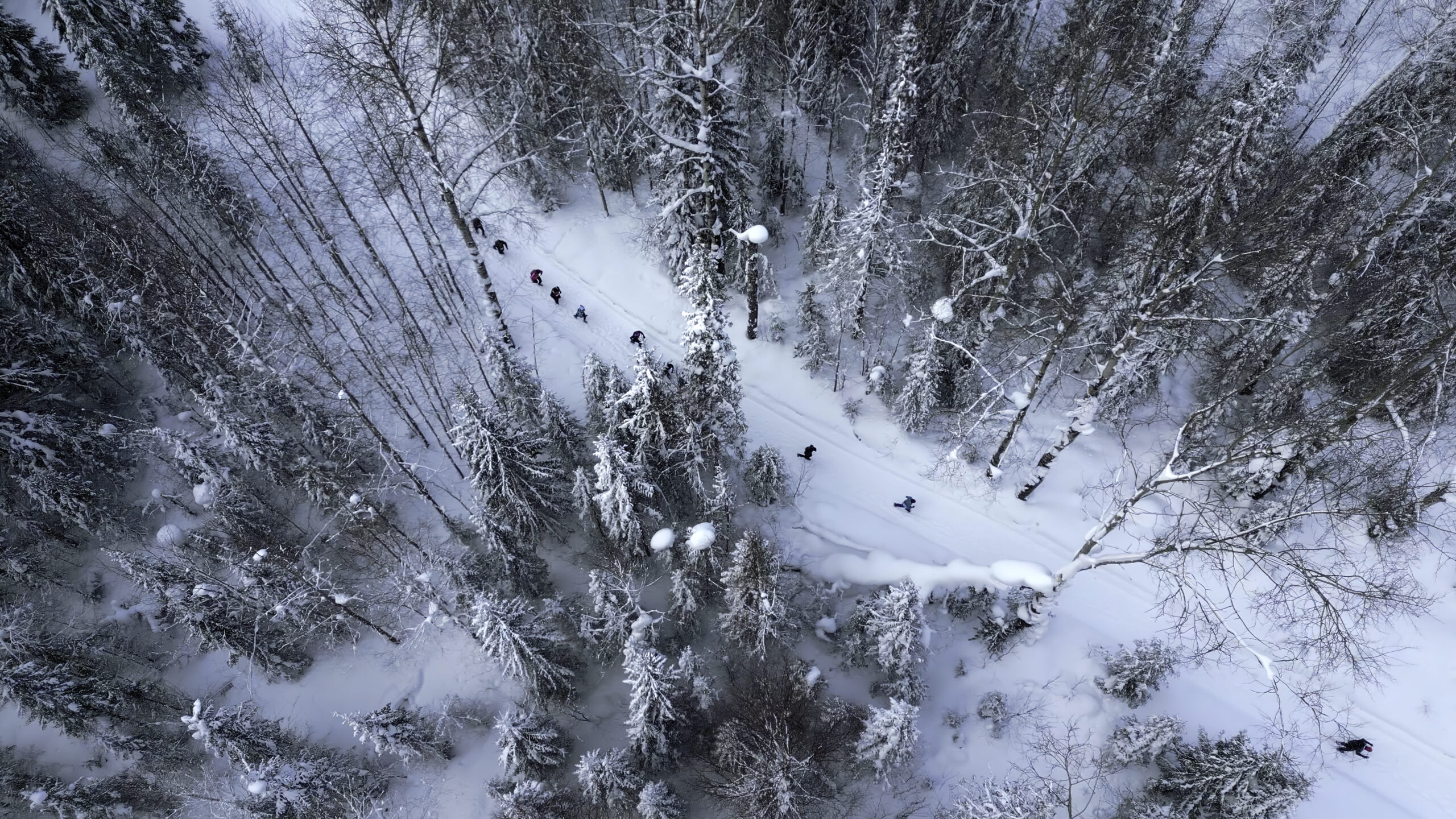
In the winter of 1959, nine experienced hikers set out into the Ural Mountains in the Soviet Union. They were strong, prepared, and not strangers to harsh conditions. This was not a careless group stumbling into danger. These were people who understood cold, discipline, and survival. They planned an expedition through remote snowbound terrain, and like so many who go into the wilderness, they trusted that skill and caution would be enough.
It wasn’t.
When they failed to return, a search party was sent out. What the rescuers found did not look like an ordinary accident. Their abandoned tent had been slashed open from the inside, as if the hikers had fled in panic. Footprints led away into the snow. Some of the bodies were found barefoot or only partially dressed, despite the brutal temperatures. Others were discovered much later, deep in the forest, with injuries that made no immediate sense: crushed chests, fractured skulls, missing eyes, missing tongues.
The landscape itself seemed to keep secrets.
For decades, the incident became one of the most disturbing unsolved mysteries of the twentieth century. The official explanations shifted over time. Some theories blamed an avalanche. Others suggested a military test, infrasound, or some other atmospheric event that triggered panic and death. Even today, certainty remains elusive. The facts are real, but the full truth has always felt just out of reach.
That uncertainty is what gives the Dyatlov Pass story its horror.
Not because it proves something supernatural, but because it shows how terrifying the natural world can be when it turns unfamiliar. Imagine the scene: a frozen mountain slope, a tent torn open in the dark, people rushing out into subzero night with no time to dress properly, no time to think clearly, only the instinct to escape whatever they believed was coming for them. Whatever happened there, it happened fast enough to break logic.
And then the silence afterward.
No voices in the snow. No lantern light. No return.
In the weeks and months that followed, the case gathered rumors and mythology, as unexplained cases always do. But beneath the speculation was something more unsettling and more human: a group of real people, with names, families, and futures, who went into the mountains and met a fate so abrupt and strange that history still cannot fully explain it.
That is what makes the Dyatlov Pass Incident so terrifying. Not the mystery alone, but the image of it: a remote tent under a black winter sky, the wind sweeping over unmarked snow, and the invisible terror that made nine people choose the night over the shelter they had built.
Some stories scare us because they invent monsters.
This one is frightening because it left only the evidence of fear behind.
[/et_pb_text][/et_pb_column][/et_pb_row][/et_pb_section]