


















[et_pb_section fb_built=”1″ theme_builder_area=”post_content” _builder_version=”4.27.7″ _module_preset=”default”][et_pb_row _builder_version=”4.27.7″ _module_preset=”default” theme_builder_area=”post_content”][et_pb_column _builder_version=”4.27.7″ _module_preset=”default” type=”4_4″ theme_builder_area=”post_content”][et_pb_text _builder_version=”4.27.7″ _module_preset=”default” theme_builder_area=”post_content” hover_enabled=”0″ sticky_enabled=”0″]

What Lies Beneath The Ice:
At the very bottom of the world lies a continent unlike any other.
A land so cold that expose skin can freeze in minutes. A place where winter darkness lasts for months, where winds roar across the ice at over 300 kilometers per hour, and where nearly 98 percent of the landscape is buried beneath an ice sheet up to 4.8 kilometers (3 miles) thick.
Welcome to Antartica.
For centuries, this frozen wilderness remained beyond the reach of explorers. Ancient cartographers imagined a vast southern continent they called Terra Australis Incognita the “Unknown Southern Land.” It appeared on old maps long before anyone had ever seen it, feeding centuries of mystery and speculation.
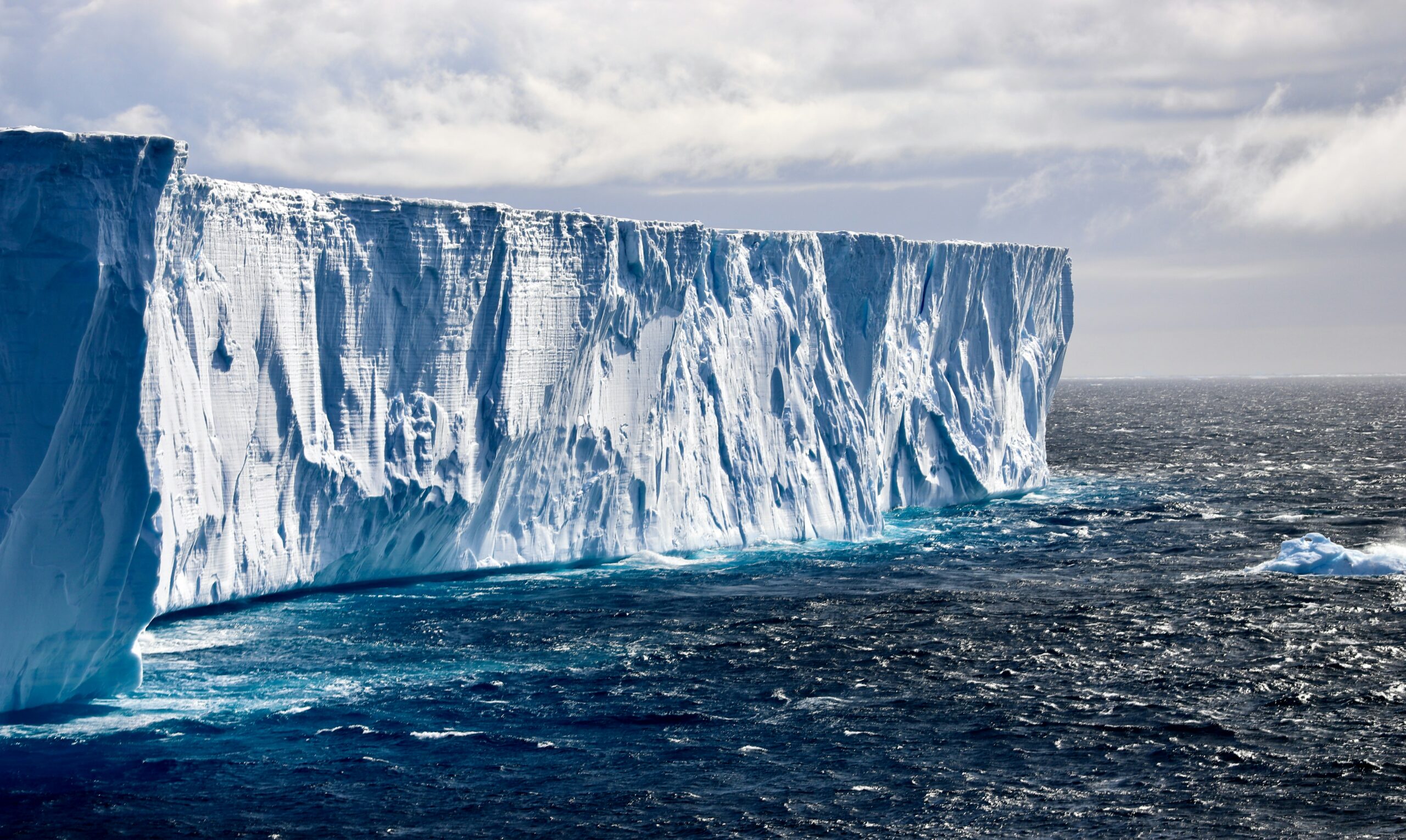
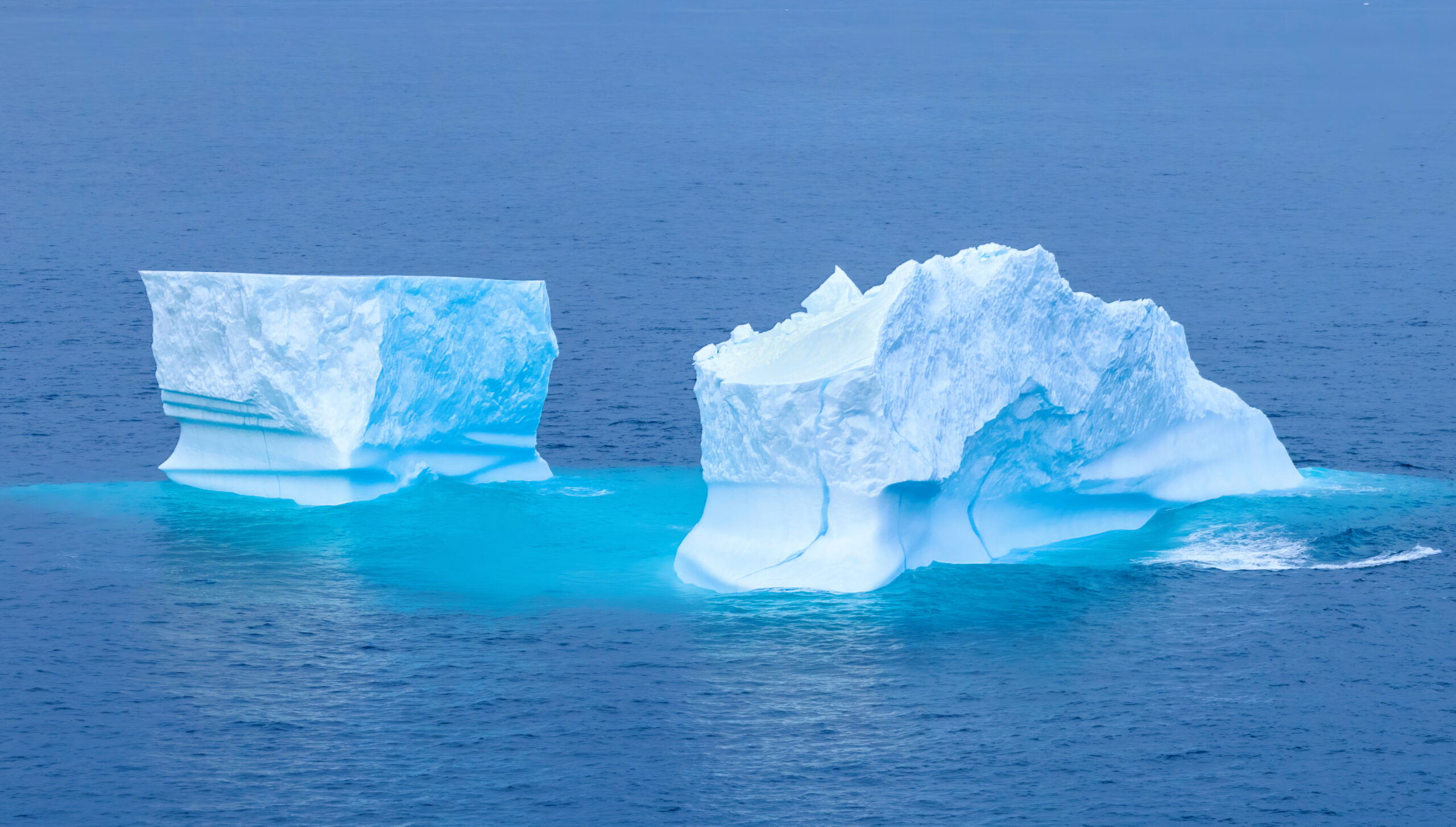
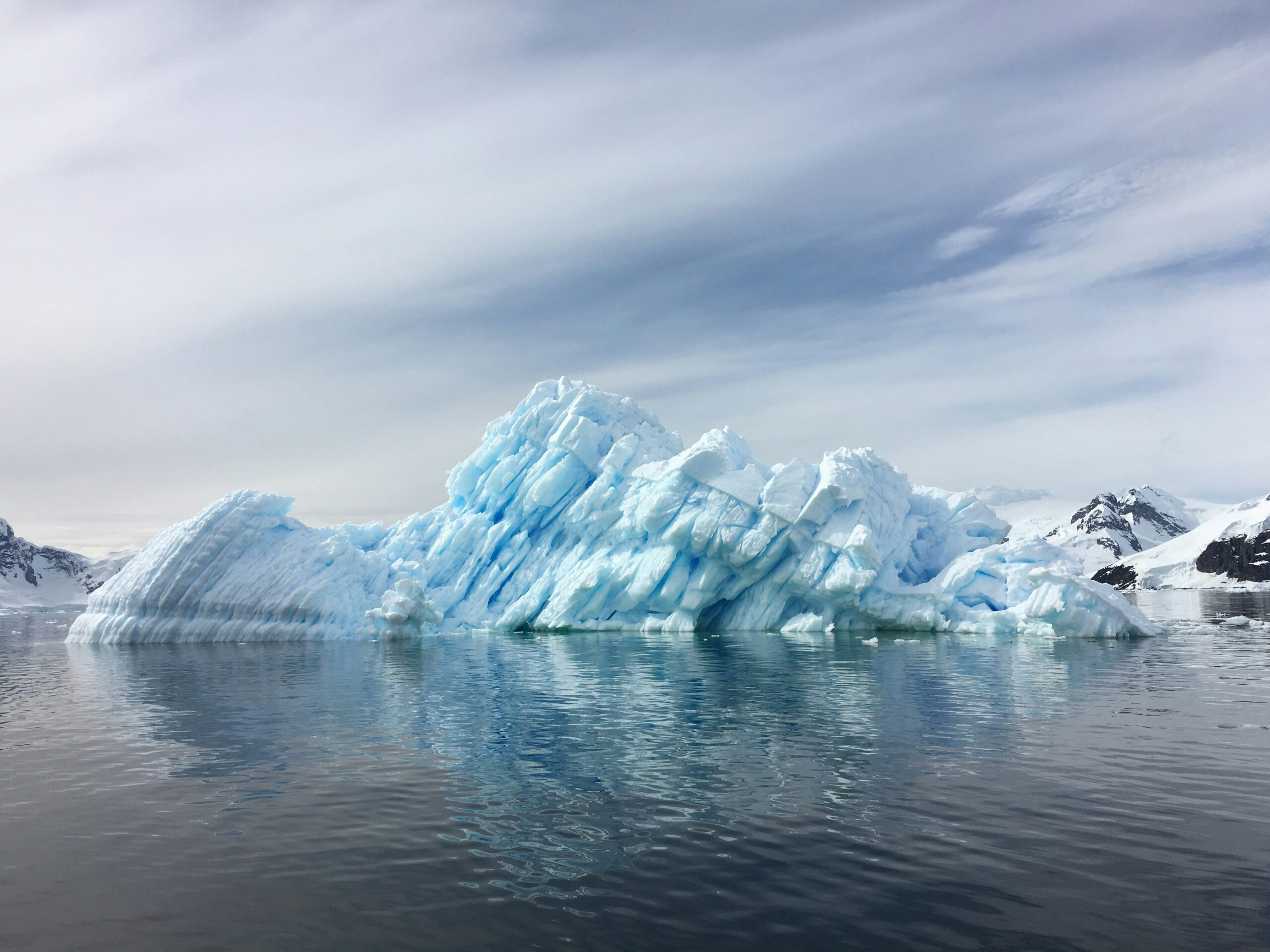
When explorers finally reached Antartica in the early nineteenth century, they discovered a world more alien than anyone had imagined. Endless white horizons stretched beyond sight. Towering glaciers groaned like distant thunder. Icebergs the size of cities drifted silently through black, frozen seas.
Yet the greatest mysteries were hidden beneath the ice.
Modern radar has revealed an entirely different world below the frozen surface. There are towering mountain ranges larger than the Alps, enormous valleys, rivers, and more than 400 subglacial lakes sealed beneath the ice for hundreds of thousands perhaps millions of years. Among them is Lake Vostok, buried beneath nearly four kilometers of ice, isolated from the rest of Earth for an unimaginable span of time.
Scientists believe these hidden lakes may contain unique forms of microbial life that evolved in complete darkness, surviving without sunlight in one of the harshest environments on Earth. Studying them could even help us understand where life might exist beneath the icy crusts of moons such as Europa and Enceladus.
Antartica has also preserved clues to Earth’s distant past.
Millions of years ago, this frozen continent looked nothing like it does today. It was covered with forests, crossed by rivers, and inhabited by dinosaurs.
Fossils of ancient trees, leaves, and prehistoric animals have been uncovered in places now locked beneath snow and ice, reminding us that Antartica was once part of the lush supercontinent of Gondwana.
The continent’s isolation has also fueled countless legends.
Stories circulate online about hidden civilizations, secret military bases, lost Nazi expeditions, entrances to a hollow Earth, and mysterious pyramids emerging from the snow. Satellite images showing mountain peaks with pyramid like shapes have inspired endless speculation.
Perhaps Antartica’s greatest secret is not that it hides impossible civilizations or forbidden artifacts.
Its true mystery is time itself.
Beneath kilometers of ice rests an ancient world almost untouched by humanity a place preserving the history of our planet with extraordinary clarity.
Every expedition uncovers another piece of a story written over hundreds of millions of years, reminding us that the greatest wonders on Earth are often the ones that are real.
Antartica does not need myths to be extraordinary.
Its silence,its vastness, and the secrets still locked beneath its frozen surface are more than enough to inspire awe.
[/et_pb_text][/et_pb_column][/et_pb_row][/et_pb_section]